Bible Verses on How a Man Should Treat His Wife: Key Insights
Explore Bible verses on how a man should treat his wife, offering guidance for love, respect, and partnership in marriage.

Key Takeaways
- Understanding biblical love and respect.
- Practical ways to foster a loving marriage.
- Encouragement for daily practice of kindness.
- The importance of spiritual unity in marriage.
The Bible offers profound wisdom on how a man should treat his wife, emphasizing love, respect, and partnership. With numerous verses that highlight the significance of these qualities, we can glean insights that not only strengthen marriages but also honor God’s intentions for relationships. Understanding and applying these principles can lead to a more fulfilling and harmonious marriage.
In a world where relationships often face challenges, turning to Scripture can provide guidance and reassurance. This article will explore key Bible verses that outline how a man is called to treat his wife, along with practical applications of these teachings in daily life.
As we embark on this journey through Scripture, let us open our hearts to the wisdom contained within. Each verse serves as both a challenge and an encouragement, calling us to embody the love and respect that God desires for our marital relationships.
Understanding Love in Marriage
At the core of a healthy marriage is love, a theme prevalent throughout the Bible. Ephesians 5:25 states, “Husbands, love your wives, just as Christ loved the church and gave himself up for her.” This verse emphasizes the sacrificial nature of love, suggesting that a husband’s love should mirror the unconditional and selfless love that Christ demonstrated. This kind of love is not merely an emotion but an active commitment to the well-being of one’s spouse.
To love one’s wife as Christ loved the church means prioritizing her needs and happiness. It encourages husbands to be attentive, understanding, and supportive. This love is a daily choice, requiring intentional actions that reflect care and consideration.
For instance, consider a husband who sets aside time each week to engage in meaningful conversations with his wife. By actively listening and showing genuine interest in her thoughts and feelings, he embodies the love described in Ephesians 5:25. This practice not only strengthens their bond but also nurtures an environment of trust and respect.
Respect and Honor
Another critical aspect of how a man should treat his wife is respect. 1 Peter 3:7 instructs husbands, “Husbands, in the same way be considerate as you live with your wives, and treat them with respect as the weaker partner and as heirs with you of the gracious gift of life, so that nothing will hinder your prayers.” This verse highlights the importance of understanding and valuing one’s spouse as a partner in life and faith.
Respecting one’s wife involves recognizing her strengths, acknowledging her contributions, and valuing her opinions. It means treating her with dignity and avoiding any form of belittling or dismissive behavior. In practical terms, this can manifest in various ways, such as seeking her input on decisions and honoring her feelings during discussions.
Reflect on a situation where a couple faces a significant decision, like a job change or relocation. A husband who respects his wife will involve her in the decision-making process, valuing her perspective and feelings. This approach not only fosters mutual respect but also strengthens the partnership, as both individuals feel valued and heard.

Communicating with Kindness
Effective communication is essential in any relationship, and the Bible provides guidance on how to communicate lovingly. Proverbs 15:1 states, “A gentle answer turns away wrath, but a harsh word stirs up anger.” This highlights the power of our words and the importance of speaking kindly and thoughtfully to one’s spouse.
When conflicts arise, as they inevitably do in any marriage, a husband should aim to respond with grace rather than frustration. This means choosing words carefully, being patient, and striving to understand his wife’s viewpoint. Harsh words can create barriers, while kind communication can bridge gaps and foster understanding.
For example, if a husband and wife disagree over household responsibilities, approaching the conversation with a gentle tone and a willingness to listen can prevent escalation. By expressing appreciation for each other’s efforts and discussing solutions collaboratively, they can resolve the issue without damaging their relationship.
Demonstrating Support and Encouragement
A husband should also be a source of support and encouragement for his wife. Galatians 6:2 encourages us to <strong“Carry each other’s burdens, and in this way you will fulfill the law of Christ.” This call to support one another is particularly relevant in marriage, where both partners are navigating life’s challenges together.
Supporting a wife involves being present during difficult times, offering help when needed, and celebrating her successes. This support can come in many forms, from emotional encouragement to practical assistance with tasks and responsibilities. It’s about being a steadfast partner who is committed to sharing life’s ups and downs.
Imagine a husband whose wife is pursuing a new career opportunity. By encouraging her to follow her dreams, offering to help with preparations, or simply being a sounding board for her ideas, he demonstrates his unwavering support. This not only strengthens their relationship but also allows her to thrive personally and professionally.
Practicing Forgiveness
Forgiveness is a vital component of any healthy relationship. Ephesians 4:32 instructs us to “Be kind and compassionate to one another, forgiving each other, just as in Christ God forgave you.” In marriage, misunderstandings and mistakes will happen. A husband who embodies forgiveness is essential for a loving and resilient partnership.
Practicing forgiveness means letting go of past grievances and choosing to move forward together. It requires humility and a willingness to acknowledge one’s own shortcomings. When husbands approach their wives with a forgiving heart, they create an atmosphere of grace and understanding.
For instance, if a husband forgets an important date, it’s easy for frustration to arise. However, instead of holding onto resentment, he can choose to acknowledge the mistake, apologize sincerely, and assure his wife that it was unintentional. This act of forgiveness fosters healing and reinforces their commitment to each other.
Spiritual Leadership
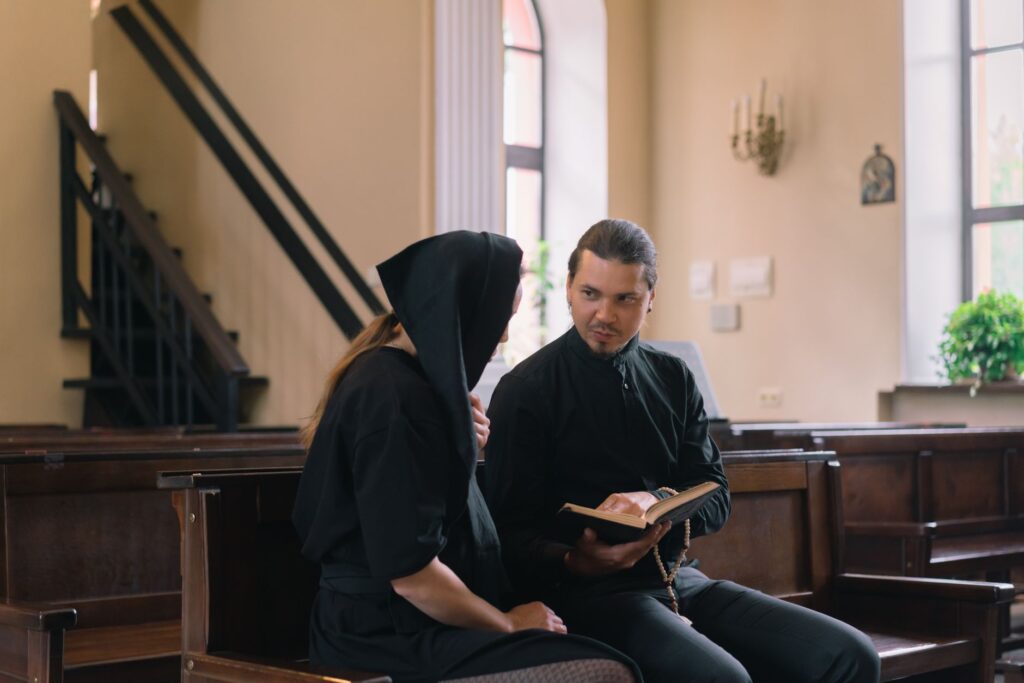
A husband is also called to be a spiritual leader in the home. Ephesians 5:23 states, “For the husband is the head of the wife as Christ is the head of the church, his body, of which he is the Savior.” This leadership is not about dominance but about guiding the family in faith and spiritual growth.
Being a spiritual leader involves setting an example in prayer, Bible study, and worship. It encourages husbands to take the initiative in nurturing their family’s spiritual health. This can include leading family devotions, praying together, and discussing faith-related topics openly.
For example, a husband who prioritizes family prayer time demonstrates his commitment to spiritual growth. By inviting his wife to share her thoughts and prayers, he fosters a sense of unity and shared purpose in their faith journey.
Creating a Safe and Loving Environment
Creating a safe and loving home is essential for a healthy marriage. Colossians 3:19 advises, “Husbands, love your wives and do not be harsh with them.” This verse highlights the importance of cultivating an environment where both partners feel secure and cherished.
A safe environment allows for open communication, vulnerability, and emotional connection. Husbands should strive to ensure that their wives feel valued and supported, free from fear or judgment. This can involve being attentive to their emotional needs and responding with compassion and care.
Consider a husband who notices that his wife is feeling overwhelmed with work and family responsibilities. Instead of adding to her stress, he takes the initiative to help with household chores or plans a relaxing evening together. By creating an atmosphere of support and love, he fosters a nurturing home environment.
Understanding the Role of Sacrifice in Marriage
Embracing Selflessness
In the context of marriage, sacrifice is a profound expression of love. A man is called to put his wife’s needs before his own, mirroring Christ’s love for the church. Ephesians 5:25 states, “Husbands, love your wives, just as Christ loved the church and gave himself up for her.” This sacrificial love is not merely about physical acts but includes emotional and spiritual investment in your wife’s well-being.
Selflessness can manifest in various ways. For instance, a husband might prioritize his wife’s career aspirations, help with household chores, or simply listen to her concerns with an open heart. By embodying selflessness, a husband shows his wife that her happiness and fulfillment are as important as his own.
- Think about your wife’s daily challenges and seek ways to alleviate them.
- Be willing to compromise your preferences for her comfort and joy.
- Regularly express gratitude for her contributions and sacrifices.
Cultivating a Spirit of Service
Service in marriage goes hand-in-hand with sacrifice. A husband should seek opportunities to serve his wife, demonstrating love through actions. Mark 10:45 reminds us, “For even the Son of Man did not come to be served, but to serve, and to give his life as a ransom for many.” By adopting a servant’s heart, a husband can create a nurturing environment where both partners thrive.
Acts of service can be simple yet profound. Whether it’s taking care of the children, cooking a meal, or running errands, these gestures speak volumes. When a husband serves willingly, it fosters a deep sense of partnership and unity in the marriage. Regularly checking in on how you can assist your wife can significantly strengthen your bond.
- Offer to handle a task that your wife finds difficult or tiresome.
- Surprise her with thoughtful gestures, like preparing her favorite meal.
- Be proactive in household responsibilities without waiting to be asked.

Encouraging Growth and Development
Supporting Her Dreams
A key aspect of a husband’s role is to encourage his wife to pursue her dreams and aspirations. As seen in Proverbs 31:26, “She opens her mouth with wisdom, and the teaching of kindness is on her tongue,” a wise husband will recognize and nurture his wife’s potential. By championing her goals, he demonstrates faith in her capabilities and fosters an environment of mutual growth.
Encouragement can take many forms, from providing emotional support during challenging times to celebrating her achievements. A husband should actively listen when his wife shares her ambitions and offer constructive feedback. This support not only strengthens the marital bond but also empowers the wife to reach her fullest potential.
- Ask about her goals and dreams regularly to show your interest.
- Encourage her to take courses or pursue hobbies that excite her.
- Celebrate her successes, no matter how small, to keep her motivated.
Creating a Shared Vision
In marriage, it is vital for both partners to align their visions for their future. A husband should engage in discussions about their shared goals, dreams, and values. Amos 3:3 states, “Do two walk together unless they have agreed to do so?” This verse emphasizes the importance of unity in vision and purpose.
Creating a shared vision encourages collaboration and strengthens the marital bond. Both partners should be involved in planning their life together, whether it involves career paths, family goals, or spiritual growth. When a husband actively participates in these discussions, it shows his commitment to the relationship and ensures that both partners are on the same page.
- Set aside regular time for discussions about your future together.
- Identify common interests and goals that you can work on together.
- Revisit and adjust your shared vision periodically as life changes.
Building Trust Through Transparency
The Importance of Honesty
Trust is the bedrock of any healthy marriage. A husband must be committed to honesty and transparency in all matters. Proverbs 12:22 says, “The Lord detests lying lips, but he delights in people who are trustworthy.” A husband who cultivates a culture of honesty in his marriage helps to foster an atmosphere of trust and security.
Being honest means sharing your thoughts and feelings, even when it’s uncomfortable. It also involves being open about finances, personal struggles, and other areas that could impact the relationship. By being truthful, a husband demonstrates his integrity and commitment to building a lasting partnership.
- Share your feelings openly, even when they are difficult to express.
- Discuss financial matters transparently to avoid misunderstandings.
- Be willing to admit mistakes and take responsibility for your actions.
Encouraging Open Communication
Open communication is essential for resolving conflicts and maintaining a strong relationship. A husband should create a safe space where his wife feels comfortable expressing her thoughts and feelings. James 1:19 advises, “Everyone should be quick to listen, slow to speak and slow to become angry.” This approach promotes understanding and compassion in discussing sensitive issues.
Encouraging open communication means being an active listener and validating your wife’s feelings. When she feels heard and understood, it strengthens the relationship and fosters deeper intimacy. A husband should regularly check in with his wife about her emotional state and encourage her to share her thoughts on various matters.
- Practice active listening by summarizing what she says to ensure understanding.
- Ask open-ended questions to encourage her to share more.
- Refrain from interrupting or dismissing her feelings during conversations.
Frequently Asked Questions
What does the Bible say about love in marriage?
The Bible emphasizes that love should be sacrificial and unconditional, as seen in Ephesians 5:25, where husbands are called to love their wives as Christ loved the church.
How can I show respect to my wife?
Respect can be shown through thoughtful communication, valuing her opinions, and treating her with dignity and kindness in all circumstances.
What role does forgiveness play in marriage?
Forgiveness is essential for maintaining a healthy relationship. Ephesians 4:32 encourages couples to forgive one another, fostering grace and understanding.
How can a husband be a spiritual leader?
A husband can be a spiritual leader by prioritizing prayer, leading family devotions, and discussing faith openly with his wife and family.
The Bottom Line
How a man should treat his wife is beautifully outlined in Scripture, emphasizing love, respect, support, and spiritual leadership. By applying these biblical principles, husbands can foster a loving and nurturing environment that honors God and strengthens their marriage. As each partner commits to embodying these teachings, they cultivate a relationship that reflects Christ’s love and grace.
Keep reading
More Marriage →



Weekly encouragement
Grow in the Word, one email at a time.
Free Bible study guides, prayer help and a verse to carry through your week. No spam, unsubscribe anytime.
Join the conversation