Bible Verses About Disrespectful Parents: Finding Guidance and Hope
Explore Bible verses about disrespectful parents and discover biblical insights and encouragement for navigating challenging family dynamics.

Key Takeaways
- The Bible emphasizes the importance of honoring parents.
- Scripture provides guidance on how to deal with disrespectful behavior.
- Understanding biblical principles can foster healing and reconciliation.
- Practical steps can help navigate complex family relationships.
Family dynamics can often be complicated, and the relationship between parents and children is no exception. Disrespectful behavior from parents can lead to deep emotional wounds and challenges in navigating familial relationships. As Christians, it’s essential to seek understanding and guidance from Scripture to address these issues. The Bible speaks to the significance of honoring one’s parents, but it also provides wisdom on how to handle relationships that may not reflect God’s design.
This article will explore various Bible verses about disrespectful parents, offering insights into both the biblical mandate to honor our parents and the reality of difficult relationships. By grounding our understanding in Scripture, we can find hope, healing, and practical steps to foster healthier family dynamics.
Understanding the Command to Honor Parents
The Bible clearly instructs children to honor their parents. This command is found in the Ten Commandments, which are foundational to Christian ethics:
- Exodus 20:12: “Honor your father and your mother, that your days may be long in the land that the Lord your God is giving you.” This commandment emphasizes the importance of respect and honor within family relationships.
- Ephesians 6:1-3: “Children, obey your parents in the Lord, for this is right. Honor your father and mother (this is the first commandment with a promise), that it may go well with you and that you may live long in the land.” This reiteration in the New Testament highlights the enduring significance of this command.
- Proverbs 1:8: “Hear, my son, your father’s instruction, and forsake not your mother’s teaching.” Here, we see the importance of listening to the guidance and wisdom of parents.
These verses underscore the expectation that children are to honor their parents. However, it’s crucial to understand that this honor does not mean blind obedience, especially in cases where parents may act disrespectfully or in ways contrary to God’s teachings. The command to honor parents is about respect, but it is also rooted in the context of a loving and nurturing relationship.
What If Parents Are Disrespectful?
When parents exhibit disrespectful behavior, it can create a conflict within the hearts of children who desire to honor them. The tension between honoring and facing disrespect can be challenging to navigate. Here are some biblical principles to keep in mind:
- Recognize Human Fallibility: All humans fall short of God’s glory (Romans 3:23). Disrespectful behavior may stem from personal struggles, insecurities, or past trauma. Understanding this can foster compassion.
- Set Boundaries: While honoring parents is important, establishing healthy boundaries is equally vital. It is permissible to limit interactions if the relationship becomes toxic. Setting boundaries can protect your emotional well-being.
- Seek God’s Guidance: Pray for wisdom and discernment. James 1:5 encourages us to ask God for wisdom, and He will provide it generously. Asking for guidance can help navigate difficult conversations or situations.
For example, consider a young adult named Sarah. She has a tumultuous relationship with her mother, who often belittles her choices. Sarah struggles with feelings of guilt for not honoring her mother as the Bible commands. After seeking counsel and praying for wisdom, she decides to set boundaries by limiting her interactions and focusing on the positive aspects of her life. Sarah learns to honor her mother by acknowledging her feelings without sacrificing her self-worth.
Scriptural Examples of Disrespectful Parent-Child Dynamics
The Bible provides several narratives that illustrate complex family relationships, including those where disrespect is evident. These stories can offer insight and comfort to those facing similar challenges.
- Ham and Noah: In Genesis 9:20-27, Noah becomes drunk and lies uncovered in his tent. His son Ham sees his father’s nakedness and tells his brothers. When Noah awakens and finds out, he curses Ham’s son, Canaan. This story highlights the importance of respect in familial relationships and the consequences of disrespect.
- Esau and Isaac: The story of Esau and Jacob (Genesis 27) shows the dysfunction in Isaac’s family. Isaac’s preference for Esau and Rebecca’s for Jacob led to deception and strife. The parental favoritism created a rift that had lasting effects on both sons. This narrative illustrates the painful outcomes of disrespectful parental favoritism.
- David and Absalom: The relationship between King David and his son Absalom is fraught with tension and conflict (2 Samuel 15). Absalom’s rebellion against David showcases the deep wounds that can exist in familial relationships. Despite David’s love for Absalom, the disrespect and rebellion drive a wedge between them.
These examples remind us that even biblical figures faced challenges in their parent-child relationships. Understanding these narratives can help individuals reflect on their own family dynamics and find solace in knowing they are not alone in their struggles.
How to Respond to Disrespectful Behavior
When dealing with disrespectful parents, it’s essential to approach the situation with grace and wisdom. Here are some practical steps to consider:
- Communicate Openly: If it is safe to do so, consider having an open dialogue with your parents about their behavior. Choose a calm moment to express your feelings without accusations. Use ‘I’ statements to describe how their actions affect you.
- Model Respectful Behavior: Demonstrating respect in your interactions, even when faced with disrespect, can create a more positive atmosphere. Ephesians 4:29 encourages us to speak in ways that build others up.
- Focus on Forgiveness: Holding onto resentment can harm your spirit. Matthew 6:14 reminds us of the importance of forgiveness. Pray for a heart that can forgive, even when it’s difficult.
These steps can help foster healthier interactions and potentially improve the relationship over time. However, it is crucial to assess the relationship’s dynamics and seek professional help if necessary.

The Importance of Seeking Support
Navigating disrespectful parent-child relationships can be isolating. Seeking support from trusted friends, family members, or counselors can provide comfort and guidance. Here are some avenues to explore:
- Counseling: Speaking with a professional can offer new perspectives and coping strategies. Counselors trained in family dynamics can help individuals work through their emotions and develop healthier communication patterns.
- Support Groups: Joining a support group can connect individuals facing similar challenges. Sharing experiences in a safe environment can provide encouragement and validation.
- Church Community: Engaging with a church community can offer spiritual support and accountability. Many churches have programs focused on family relationships and offer resources for those in need.
For instance, a young man named Mark found himself struggling with his father’s critical nature. After seeking support from a church group, he learned effective communication techniques. This not only improved his relationship with his father but also helped him grow personally.
Finding Comfort in Scripture
When grappling with the pain of disrespectful parents, turning to Scripture can provide solace and wisdom. Here are some comforting verses that can help guide your heart:
- Psalm 27:10: “For my father and my mother have forsaken me, but the Lord will take me in.” This verse serves as a reminder that God is a loving Father who cares for us, even when earthly relationships fail.
- Isaiah 41:10: “Fear not, for I am with you; be not dismayed, for I am your God; I will strengthen you, I will help you, I will uphold you with my righteous right hand.” In moments of distress, God promises His presence and support.
- Philippians 4:6-7: “Do not be anxious about anything, but in everything by prayer and supplication with thanksgiving let your requests be made known to God. And the peace of God, which surpasses all understanding, will guard your hearts and your minds in Christ Jesus.” Prayer can bring peace amid turmoil.
These verses remind us of God’s unwavering love and support. Turning to Scripture can provide the spiritual nourishment needed to navigate difficult family dynamics.

Recognizing the Impact of Disrespectful Parenting
Understanding Emotional and Spiritual Consequences
Disrespectful parenting can lead to profound emotional and spiritual consequences for children. When parents fail to honor their role, it creates a rift that can affect a child’s self-esteem and perception of authority. Proverbs 22:6 states, “Train up a child in the way he should go; even when he is old he will not depart from it.” This illustrates the long-term impact of parental guidance, whether positive or negative.
Children raised in disrespectful environments may struggle with feelings of inadequacy and rejection. This can lead to behavioral issues, mental health challenges, and difficulty forming healthy relationships in the future. Ephesians 4:29 encourages believers to “Let no corrupting talk come out of your mouths, but only such as is good for building up, as fits the occasion, that it may give grace to those who hear.” This verse underscores the importance of communication in family dynamics and how harmful words can lead to lasting scars.
Signs of Disrespectful Parenting
Identifying signs of disrespectful parenting can be crucial for both children and those outside the family unit who may be able to intervene. Here are some common indicators:
- Consistent belittling or mocking of a child’s thoughts or feelings.
- Ignoring the child’s needs or desires.
- Excessive criticism without encouragement.
- Failure to listen or engage in meaningful dialogue.
- Inconsistent discipline that leaves the child confused about expectations.
Recognizing these signs can lead to timely interventions and support for affected children, emphasizing the importance of healthy communication and respect within the familial structure.
Spiritual Implications of Disrespectful Parenting
The spiritual implications of disrespectful parenting cannot be overlooked. Children learn about God’s character through their parents. When parents display disrespectful behavior, it can distort a child’s understanding of authority and, ultimately, their perception of God. Exodus 20:12 reminds us, “Honor your father and your mother, that your days may be long in the land that the Lord your God is giving you.” This commandment emphasizes the sacredness of the parent-child relationship and its reflection of our relationship with God.
When children experience disrespect, they may struggle with their faith, questioning God’s goodness and love. This is where the church and community play a crucial role in providing support and guidance, helping to restore a healthy understanding of God’s love and authority.
Building Healthy Relationships Despite Disrespect
Setting Boundaries with Disrespectful Parents
Setting boundaries is essential when dealing with disrespectful parents. Establishing clear boundaries allows children to protect their emotional well-being while still honoring their parents as best as possible. Romans 12:18 states, “If possible, so far as it depends on you, live peaceably with all.” This verse encourages believers to strive for peace, even in difficult relationships.
Here are some practical ways to set boundaries:
- Communicate your feelings calmly and assertively.
- Limit the time spent in situations that lead to disrespect.
- Seek counsel from trusted mentors or spiritual leaders.
- Practice self-care and engage in activities that reinforce your self-worth.
- Establish consequences for disrespectful behavior, ensuring they are enforced consistently.
By setting these boundaries, children can take steps towards healing while maintaining a respectful stance toward their parents.
Finding Common Ground with Parents
Finding common ground with disrespectful parents can be a challenging yet rewarding endeavor. While it may seem difficult, approaching the situation with empathy can lead to healthier interactions. Proverbs 15:1 states, “A soft answer turns away wrath, but a harsh word stirs up anger.” This emphasizes the importance of how we communicate.
Consider the following approaches to cultivate common ground:
- Initiate open conversations about feelings and experiences.
- Find shared interests or activities that can foster connection.
- Practice active listening to understand their perspectives better.
- Express appreciation for any positive qualities or actions.
- Pray for your parents and the relationship, asking God for wisdom and understanding.
Although it may take time and effort, finding common ground can lead to a significant transformation in the relationship.
Engaging in Forgiveness and Healing
Forgiveness is a powerful tool in the journey of healing from disrespectful parenting. Ephesians 4:32 exhorts us to “be kind to one another, tenderhearted, forgiving one another, as God in Christ forgave you.” This verse highlights the importance of forgiveness, not just for the offender but also for the healing of the victim.
To engage in forgiveness, consider these steps:
- Reflect on the hurt and acknowledge your feelings.
- Decide to forgive, recognizing that forgiveness is a choice, not a feeling.
- Communicate your forgiveness directly, if possible, or through prayer.
- Let go of the desire for revenge or retribution.
- Seek professional help or counseling if needed to process complex emotions.
Forgiveness can liberate the heart, allowing space for healing and restoration, even in challenging relationships.
God’s View on Family Dynamics
The Role of Family in God’s Design
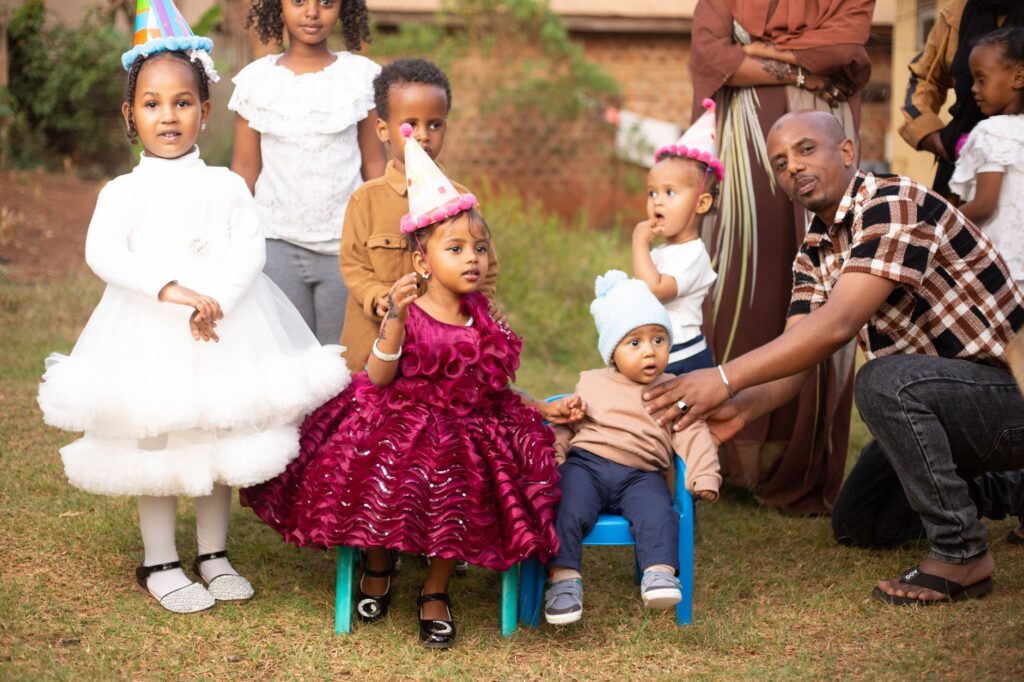
Family is central to God’s design for human relationships. In Genesis 2:24, it is written, “Therefore a man shall leave his father and mother and hold fast to his wife, and they shall become one flesh.” This underscores the importance of familial relationships and the divine intention behind them. Understanding this can help children see the value of family, even when faced with disrespect.
God’s design for family emphasizes love, support, and mutual respect. When these elements are lacking, it can be a challenge to fulfill the purpose that God has for families. Recognizing the divine intention can inspire individuals to pursue healthier family dynamics.
God’s Compassion for the Hurt
God has a profound compassion for those who suffer from disrespectful relationships. Psalm 34:18 assures us, “The Lord is near to the brokenhearted and saves the crushed in spirit.” This verse provides hope and comfort to those experiencing family strife. It reminds us that God sees our pain and is present in our suffering.
In times of emotional turmoil, turning to God in prayer can provide solace. His compassion can be a balm to our wounds, allowing us to experience healing and restoration. Engaging with Scripture can also offer encouragement, providing strength to navigate difficult family dynamics.
Praying for Family Restoration
Prayer is a powerful tool for seeking restoration in family relationships. James 5:16 encourages us to “confess your sins to one another and pray for one another, that you may be healed.” This highlights the importance of prayer not only for personal healing but also for the healing of relationships.
When praying for family restoration, consider these points:
- Pray for your own heart to be softened and open to reconciliation.
- Ask God to reveal areas where you need to change.
- Pray for your parents to be guided by wisdom and love.
- Seek opportunities to communicate and share your feelings constructively.
- Trust God for healing, even when the situation seems hopeless.
Through prayer, we can foster hope for healing and restoration within our families, inviting God’s presence into our struggles.
Frequently Asked Questions
1. What does the Bible say about dishonoring parents?
The Bible warns against dishonoring parents, emphasizing the importance of respect. However, it also recognizes that not all parental behavior is honorable.
2. How can I honor my parents if they are disrespectful?
Honoring disrespectful parents may involve setting healthy boundaries while still showing respect. It’s essential to balance honoring them with maintaining your emotional health.
3. Is it okay to distance myself from disrespectful parents?
Yes, it’s okay to distance yourself if the relationship is harmful. Establishing boundaries is sometimes necessary for emotional well-being.
4. How can I heal from a difficult parent-child relationship?
Healing can come through prayer, counseling, and support from your community. Engaging in self-reflection and understanding your emotions is also crucial.
The Bottom Line
The journey of dealing with disrespectful parents can be challenging and painful. However, by grounding ourselves in Scripture, seeking support, and taking practical steps, we can navigate these relationships with grace and hope. Remember, you are not alone in this struggle, and God’s guidance is always available.
Keep reading
More Family & Parenting →

Weekly encouragement
Grow in the Word, one email at a time.
Free Bible study guides, prayer help and a verse to carry through your week. No spam, unsubscribe anytime.
Join the conversation