
Faith and Trust in God
Living Out Our Faith: Preach The Gospel At All Times And When Necessary Use Words
Nov 25, 2026 · 12 min read
Explore key Bible verses about baptism for babies, their significance, and the rich traditions surrounding this sacred rite in Christian faith.
Key Takeaways
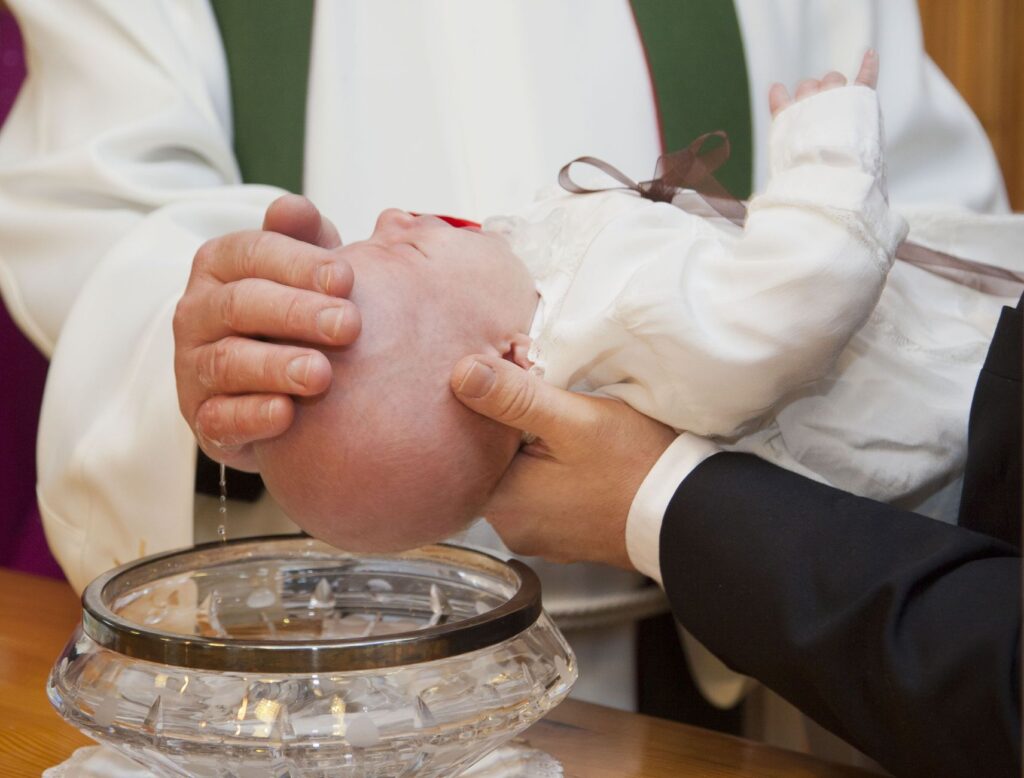
Baptism is a profound rite in the Christian faith, representing a person’s commitment to follow Christ and marking their entry into the church community. When it comes to infants, many parents grapple with the decision of whether to baptize their babies. The custom varies widely across different Christian traditions, with some denominations fully embracing infant baptism while others reserve this sacred act for those who can consciously affirm their faith. This article explores key Bible verses related to baptism for babies, the theological implications, and practical considerations for parents.
Baptism, as understood in Scripture, encapsulates both a physical act and a spiritual reality. It signifies the washing away of sin and the new life one receives in Christ. For parents contemplating baptism for their child, this rite serves as a moment of deep spiritual significance, not only for the child but for the family as a whole. The act is not merely a tradition; it is an opportunity to dedicate the child to God and invite His guidance as they grow in faith.
This exploration will include biblical verses that speak to the importance of baptism, insights into different denominational practices, and encouragement for families navigating this sacred decision.
The Bible presents baptism as a significant aspect of the faith journey. While specific verses regarding infant baptism may not be explicitly stated, the overarching themes of baptism can be found throughout Scripture.
Here are some foundational verses that highlight the importance of baptism:
These verses collectively affirm that baptism is closely tied to the believer’s faith journey and transformation in Christ. They also invite families to consider the spiritual implications of baptizing their children.
Infant baptism is a practice that holds deep significance in many Christian traditions. While some denominations advocate for believer’s baptism, where individuals are baptized upon their personal confession of faith, others embrace the practice of baptizing infants, viewing it as a means of grace and inclusion in the covenant community.
From a theological standpoint, infant baptism is often rooted in the belief that God’s grace is not limited by age or understanding. Many theologians argue that just as God’s covenant with Abraham included children (Genesis 17:7), so too should the new covenant in Christ. This perspective sees baptism as a way to acknowledge God’s promises to the child and the community’s responsibility to nurture the child’s faith.
In traditions that practice infant baptism, such as Roman Catholicism and many branches of Protestantism, it is believed that baptism removes original sin and initiates the child into the life of grace. The act is seen as both a divine gift and a communal responsibility, where the church vows to support the family in raising the child in the faith.
Furthermore, many parents find solace in the idea that infant baptism provides their child with a spiritual foundation from the very beginning. It signifies that the child is welcomed into the body of Christ and is a part of the community of believers from their earliest days.
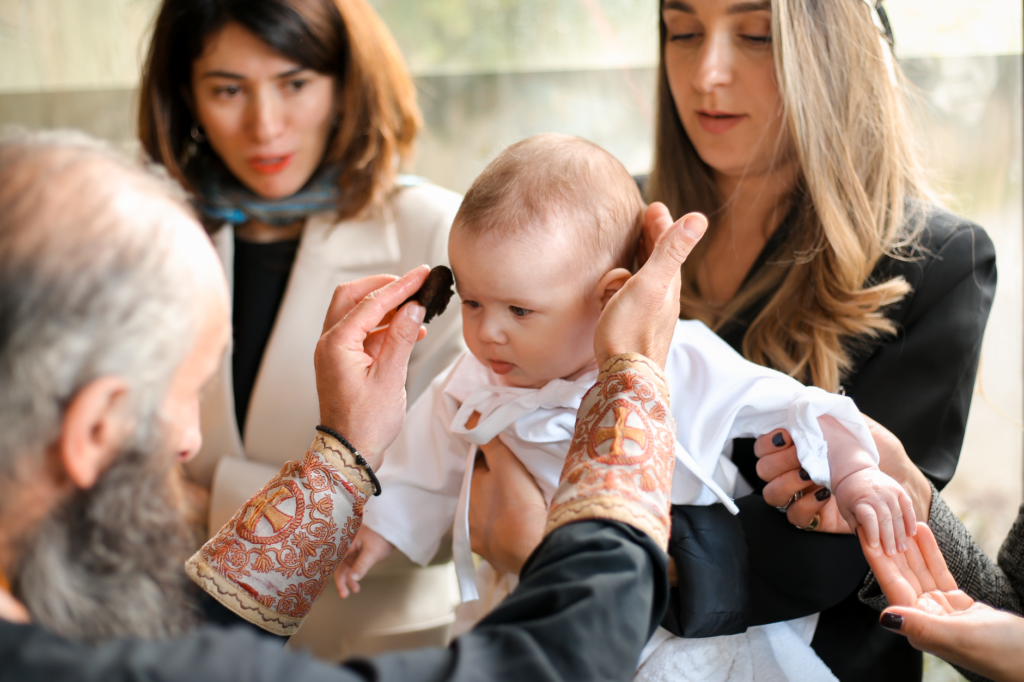
Baptism practices vary significantly among Christian denominations, influencing how families approach the baptism of their children. Understanding these differences can help parents make informed decisions regarding their child’s baptism.
In Roman Catholic tradition, baptism is viewed as a sacrament essential for salvation. The Church teaches that baptism removes original sin and incorporates the child into the Church. Parents and godparents make vows to raise the child in the faith, and a special ceremony typically takes place in a church setting. The priest often uses holy water and anointing oil as part of the ritual.
Among Protestant denominations, views on baptism can differ widely:
Understanding these different practices can help families discern their beliefs and traditions regarding baptism while fostering unity in the body of Christ.
For parents considering baptism for their baby, preparation involves both spiritual and practical elements. It is a time to reflect on the significance of the sacrament and the responsibilities that come with it.
Spiritual preparation begins with understanding the meaning of baptism. Parents may wish to engage with their church community, speak with spiritual leaders, and study Scripture about baptism. This process can deepen their appreciation for the sacrament and the commitment they are making on behalf of their child.
Additionally, parents can prepare their hearts by praying for their child’s spiritual journey. Asking God for wisdom, guidance, and for the Holy Spirit to work in their child’s life can be a meaningful step in the preparation process.
Taking these steps can help parents feel more prepared and connected as they embark on this sacred journey.
Baptism is not just an individual act; it is a communal event involving family, the church, and the broader Christian community. The role of family is essential in nurturing the child’s faith journey post-baptism.
Families play a critical role in the spiritual formation of their children. After baptism, parents are often seen as the primary spiritual educators, responsible for instilling faith and values in their children. This responsibility includes teaching about God, sharing Bible stories, and modeling a Christ-centered life.
Moreover, the involvement of extended family, such as grandparents and aunts and uncles, can enrich the child’s spiritual experience. When family members actively participate in the child’s faith journey, they reinforce the community aspect of faith.
Following the baptism, parents are encouraged to maintain a commitment to their child’s spiritual growth. This includes regular church attendance, participation in family devotional times, and engaging with the church community. These practices help solidify the child’s understanding of faith and belonging within the church.
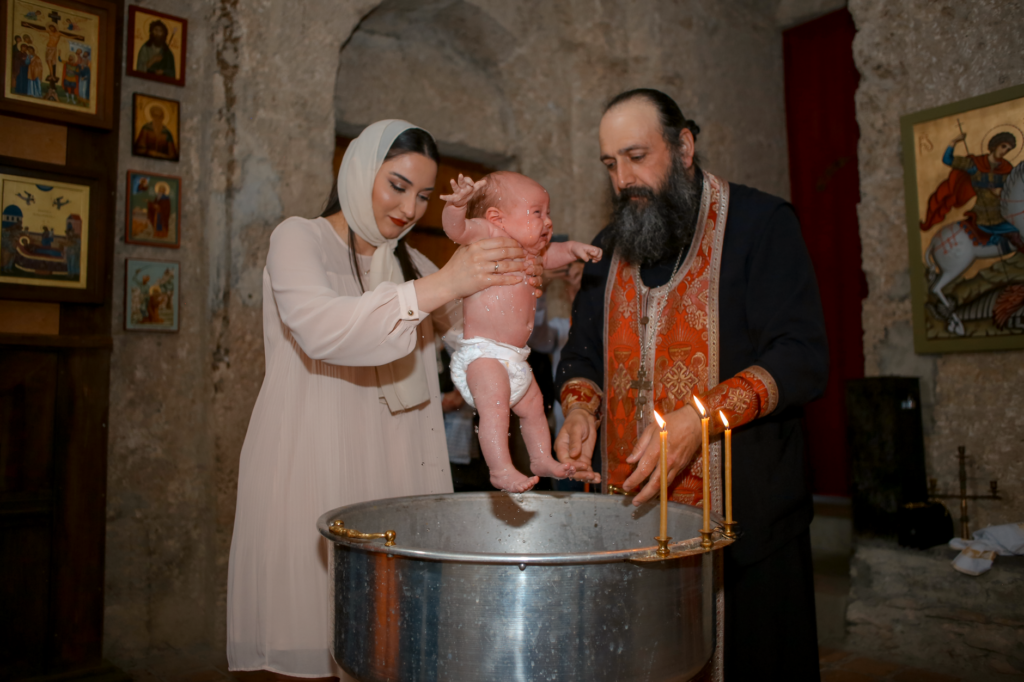
Consider the story of a young couple, Sarah and Jake, who recently welcomed their first child, a baby girl named Emma. As they prepared for Emma’s baptism, they reflected on their own faith journeys and the significance of this moment. Both Sarah and Jake grew up in Christian homes and understood the importance of baptism as a dedication to God.
They decided to hold the baptism at their local church, inviting family and friends to witness this special occasion. Sarah and Jake chose Emma’s godparents carefully, selecting a couple from their church who had been strong mentors in their own lives. During the ceremony, they felt a profound sense of community as their congregation surrounded them, pledging to support Emma’s spiritual growth.
Following the baptism, Sarah and Jake committed themselves to raising Emma in the faith, incorporating prayer and Bible stories into their daily routines. They found joy in sharing their faith journey with Emma, knowing that they were nurturing her relationship with God from the very start.
Water holds a significant role in the rite of baptism, symbolizing purification and the washing away of sin. In Ezekiel 36:25, God promises, “I will sprinkle clean water on you, and you will be clean; I will cleanse you from all your impurities and from all your idols.” This imagery highlights the transformative power of water, not just physically, but spiritually, representing the new life that begins in Christ.
In John 3:5, Jesus states, “Very truly I tell you, no one can enter the kingdom of God unless they are born of water and the Spirit.” This connection between water and the Holy Spirit emphasizes the dual nature of baptism, it signifies both physical cleansing and spiritual rebirth. For infants, baptism represents the initiation into a community where they will be nurtured in faith and guided toward a relationship with the Holy Spirit.
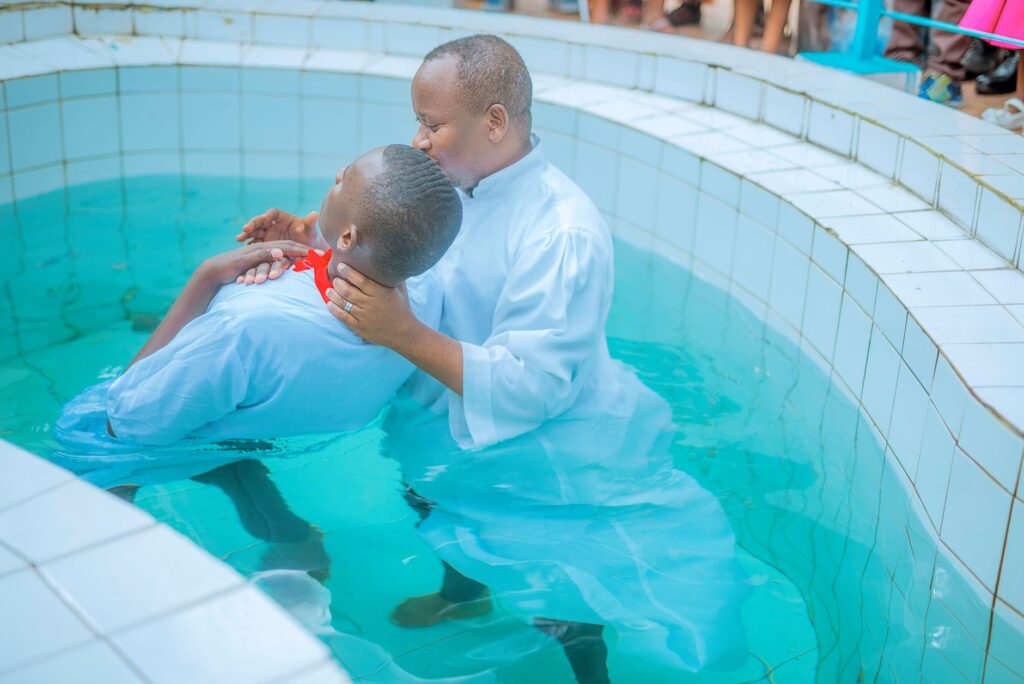
Infant baptism can be understood through the lens of covenant theology, which sees baptism as an extension of God’s covenant promises to His people. In Genesis 17:7, God establishes His covenant with Abraham and his descendants, indicating that the faith of parents can include their children in this sacred agreement. This foundational belief asserts that infants, like adults, are included in the redemptive history of God’s grace.
Baptism is fundamentally an act of grace, highlighting the unearned favor of God. Ephesians 2:8-9 reminds us, “For it is by grace you have been saved, through faith, and this is not from yourselves, it is the gift of God, not by works, so that no one can boast.” In the context of infant baptism, this grace is bestowed upon the child, illustrating that salvation is a divine initiative rather than a human achievement.
Following baptism, the spiritual journey of an infant involves the active participation of the family and church community. Deuteronomy 6:6-7 encourages parents to impress God’s commands on their children, teaching them about faith from a young age. This nurturing process is vital, as it lays the foundation for the child’s understanding of God and their relationship with Him.
As children grow, it is essential to celebrate milestones in their faith journey, marking significant moments such as first prayers, understanding of Bible stories, or their first communion. These celebrations can reinforce the significance of their baptism and help them see it as the beginning of their lifelong relationship with Christ. Psalm 78:4 emphasizes the importance of telling the next generation about the praiseworthy deeds of the Lord.
While the Bible does not explicitly mention infant baptism, many Christians believe that the principles of baptism, such as inclusion in the covenant community and the grace of God, support the practice. Verses such as Acts 2:39 indicate that the promise of salvation is for believers and their children.
Infant baptism is administered to babies and symbolizes God’s grace and inclusion in the church community. Believer’s baptism occurs when individuals make a conscious decision to follow Christ, usually after a period of instruction and understanding.
Parents can prepare by studying Scripture about baptism, praying for their child’s spiritual journey, choosing supportive godparents, and planning the details of the ceremony with their church.
Godparents serve as spiritual mentors for the child. They are responsible for supporting the parents in raising the child in the Christian faith and providing guidance throughout the child’s spiritual journey.
Baptism is a significant rite in the Christian faith that symbolizes a commitment to Christ and inclusion in the community of believers. While practices regarding infant baptism vary among denominations, the underlying principles of grace and community support remain central. For parents, this sacred act offers an opportunity to dedicate their child to God and commit to nurturing their spiritual growth. By understanding the biblical basis for baptism and the various traditions surrounding it, families can make informed decisions and embrace the joy of welcoming their child into the faith.
Weekly encouragement
Free Bible study guides, prayer help and a verse to carry through your week. No spam, unsubscribe anytime.


Join the conversation