
Family & Parenting
Bible Verses About Disrespect To Parents: Key Insights and Guidance
Nov 23, 2026 · 12 min read
Gain comfort and understanding by exploring bible verses about god as a father, reflecting love, guidance, and provision in our lives.
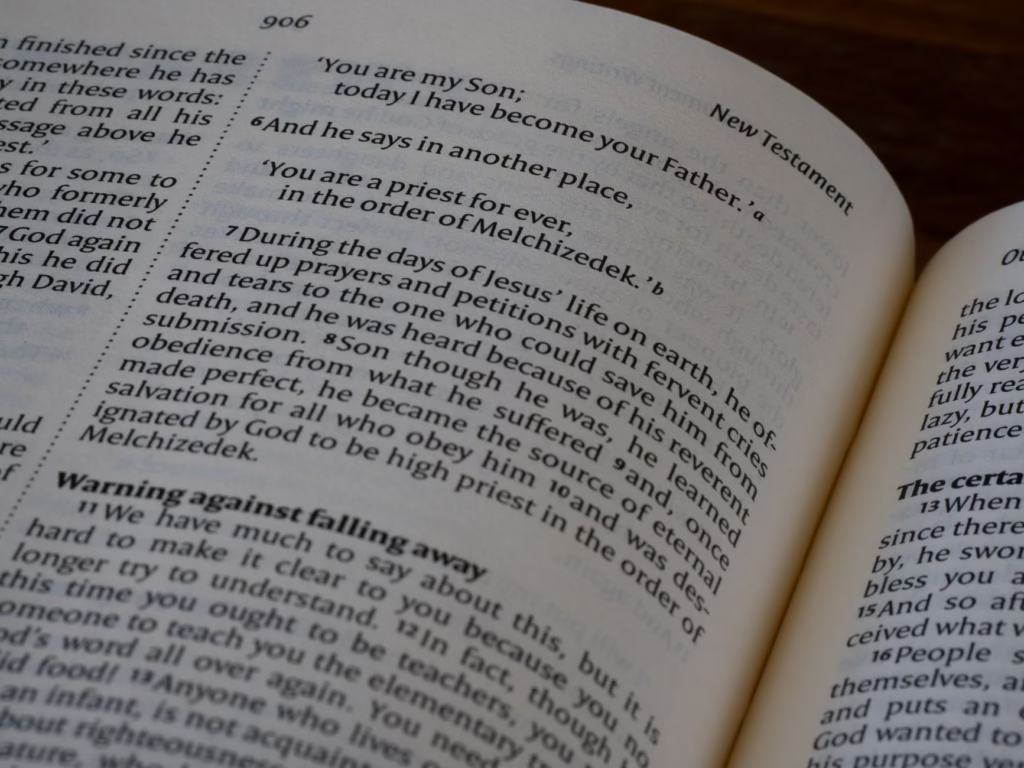
When we think about the word Father, many emotions and images come to mind—protection, guidance, love, discipline, and provision. In the Bible, one of the most powerful and comforting ways God describes Himself is as our Father. This image paints a deeply personal and intimate portrait of who God is and how He relates to His people.
Whether you’re searching for reassurance, spiritual growth, or a deeper understanding of Scripture, exploring Bible verses about God as a Father can transform how you see Him—and yourself.
Let’s dive into what the Bible reveals about God’s fatherly heart.
The concept of God as Father appears throughout both the Old and New Testaments. This powerful metaphor helps believers understand:
Unlike earthly fathers, who are imperfect, God embodies perfect fatherhood.
Matthew 5:48 — “Be perfect, therefore, as your heavenly Father is perfect.”
God’s fatherhood isn’t distant or cold—it’s nurturing, intentional, and deeply relational.
One of the most beautiful truths in Scripture is that God’s love as a Father knows no limits.
1 John 3:1 — “See what great love the Father has lavished on us, that we should be called children of God!”
This verse reminds us that being called God’s children is not something we earn—it’s a gift of His love.
Romans 8:15 — “The Spirit you received brought about your adoption to sonship. And by him we cry, ‘Abba, Father.’”
“Abba” is an intimate term, similar to “Dad” or “Daddy.” It reveals the closeness God desires with us.
Psalm 103:13 — “As a father has compassion on his children, so the Lord has compassion on those who fear him.”
Just as a loving father shows tenderness toward his children, God shows compassion toward us in our weaknesses.
Fathers are often seen as protectors and providers. Scripture confirms that God fulfills this role perfectly.
Matthew 6:26 — “Look at the birds of the air; they do not sow or reap or store away in barns, and yet your heavenly Father feeds them.
Discipline is often a challenging concept, but Scripture shows that bible verses about god as a father discipline His children out of love. Hebrews 12:5-6 states, “And have you forgotten the exhortation that addresses you as sons? ‘My son, do not regard lightly the discipline of the Lord, nor be weary when reproved by him. For the Lord disciplines the one he loves, and chastises every son whom he receives.'” This passage highlights that God’s discipline is not punitive but corrective, aimed at guiding us toward righteousness.
Just as earthly fathers correct their children for their growth, our Heavenly Father’s discipline is meant to teach us valuable lessons about obedience and holiness. This loving guidance helps us develop character and wisdom, much like Proverbs 3:11-12 emphasizes: “My son, do not despise the Lord’s discipline or be weary of his reproof, for the Lord reproves him whom he loves, as a father the son in whom he delights.” God’s discipline, therefore, is a sign of His love and commitment to our spiritual welfare.
The purpose of God’s discipline is multifaceted. Firstly, it serves to correct our path when we stray. In Psalm 119:67, the psalmist states, “Before I was afflicted, I went astray, but now I keep your word.” This verse implies that sometimes we need discipline to return to the right path. Secondly, discipline cultivates spiritual maturity. James 1:2-4 encourages believers to consider it pure joy when facing trials, as these trials produce perseverance, leading to spiritual completeness.
Finally, discipline prepares us for the responsibilities of our faith. As we learn to respond to God’s correction, we become more capable of guiding others in their spiritual journeys.
How we respond to God’s discipline is crucial. Instead of resisting or resenting it, we are encouraged to embrace it. In 2 Timothy 3:16-17, we read, “All Scripture is breathed out by God and profitable for teaching, for reproof, for correction, and for training in righteousness, that the man of God may be complete, equipped for every good work.” This passage suggests that we should view God’s discipline as an opportunity for growth and readiness for the tasks ahead.
To respond effectively to God’s discipline, consider the following steps:
By responding positively, we can transform our experiences of discipline into opportunities for deeper faith and connection with our Father.
God’s nature as a generous Father is beautifully illustrated throughout Scripture. James 1:17 reminds us, “Every good gift and every perfect gift is from above, coming down from the Father of lights with whom there is no variation or shadow due to change.” This verse assures us that God’s generosity is unwavering and consistent.
Moreover, the parable of the prodigal son in Luke 15:11-32 exemplifies God’s generosity. Despite the son’s rebellion, the father welcomes him back with open arms and lavish gifts, symbolizing the boundless mercy and grace that God extends to each of us. God’s generosity is not only about material provisions but also encompasses spiritual blessings, such as forgiveness and eternal life through Jesus Christ.
God provides a variety of gifts to His children, each serving a unique purpose in our lives. Some of these gifts include:
These gifts are meant to enrich our lives and empower us to serve others, reflecting God’s generosity in our own actions.
As children of God, we are called to reflect His generosity in our daily lives. Acts 20:35 states, “It is more blessed to give than to receive.” Embracing this principle can significantly impact our relationships and communities. When we share our resources, time, and talents, we embody the love of our Heavenly Father.
To practice generosity, consider these actions:
By modeling God’s generosity, we not only bless others but also strengthen our relationship with our Father.
God desires an intimate relationship with each of His children, inviting us to approach Him with confidence and trust. In Romans 8:15, Paul writes, “For you did not receive the spirit of slavery to fall back into fear, but you have received the Spirit of adoption as sons, by whom we cry, ‘Abba! Father!”” This term “Abba” conveys a deep sense of closeness and affection, similar to saying “Daddy” in English.
This intimate relationship is foundational for our faith. It allows us to communicate openly with God, sharing our fears, joys, and struggles. In Matthew 7:9-11, Jesus illustrates this point by asking, “Which one of you, if his son asks him for bread, will give him a stone?” This metaphor demonstrates that God, as a loving Father, desires to meet our needs and hear our requests.
Prayer is a vital avenue through which we cultivate intimacy with God. In Philippians 4:6-7, we are encouraged to present our requests to God, assuring us that His peace will guard our hearts. This act of prayer fosters a personal connection, allowing us to experience God’s presence and guidance in our lives.
To enhance your prayer life and deepen your relationship with God, consider these practices:
By actively engaging in prayer, we can experience the nearness of God as our Father.
Experiencing God’s presence is a profound aspect of our relationship with Him. In Psalm 139:7-10, the psalmist acknowledges that there is nowhere we can go to escape God’s presence. This assurance can bring comfort and strength during difficult times, reminding us that we are never alone.
To cultivate an awareness of God’s presence, consider these approaches:
As we pursue intimacy with God as our Father, we can fully embrace the love, guidance, and support He offers, enriching our spiritual walk and deepening our understanding of His character.
One of the profound aspects of God’s fatherhood is His role as a guide. Just as earthly fathers provide direction and wisdom to their children, our Heavenly Father offers us guidance through His Word and the Holy Spirit. Proverbs 3:5-6 encourages believers to trust in the Lord with all their heart and lean not on their own understanding. This trust opens a pathway for God to direct our paths, helping us make decisions aligned with His will.
In moments of uncertainty, we can turn to God for clarity. James 1:5 reassures us that if we lack wisdom, we should ask God, who gives generously to all without finding fault. This promise emphasizes God’s readiness to guide us, reflecting His desire for us to walk in truth and righteousness.
Listening for God’s voice is a crucial aspect of experiencing His guidance. John 10:27 states, “My sheep hear My voice, and I know them, and they follow Me.” Recognizing God’s voice amidst the noise of life can be challenging. However, as we cultivate a relationship with Him through prayer, meditation on Scriptures, and worship, we begin to discern His guidance more clearly.
To better hear God’s voice, consider incorporating the following practices into your spiritual routine:
These practices nurture our ability to discern God’s leading, assisting us in following His will for our lives.
God’s compassion as a Father is vividly illustrated in the parable of the Prodigal Son (Luke 15:11-32). This story exemplifies His readiness to forgive and embrace us, no matter how far we stray. When the wayward son returns home, his father runs to him with open arms, symbolizing God’s unwavering love and willingness to forgive our transgressions.
Psalm 103:13-14 further emphasizes God’s compassion: “As a father shows compassion to his children, so the Lord shows compassion to those who fear him.” This comparison illustrates that, like a loving father, God understands our weaknesses and desires to restore us when we falter.
Recognizing God’s compassionate nature can inspire us to extend that same compassion to others. Ephesians 4:32 calls us to be kind and compassionate to one another, forgiving each other, just as in Christ God forgave us. By embodying God’s compassion, we reflect His character to the world around us.
Consider these practical ways to show compassion in your daily life:
By doing so, we align ourselves with God’s heart and exemplify His fatherly nature.
Patience is a hallmark of God’s fatherly character. 2 Peter 3:9 reminds us that the Lord is not slow in keeping His promise, as some understand slowness. Instead, He is patient with us, not wanting anyone to perish, but everyone to come to repentance. This patience reflects God’s deep desire for all to experience His grace and salvation.
In our own lives, we may struggle with impatience, whether in our spiritual growth or in waiting for God’s timing. However, Romans 8:25 encourages us to be patient in hope, for we wait eagerly for what we do not yet have. Embracing God’s patience allows us to trust in His perfect timing and sovereignty.
To develop patience, we can practice the following disciplines:
By cultivating patience, we not only grow closer to God but also become a light to others who may be waiting for their own answers and breakthroughs.
Weekly encouragement
Free Bible study guides, prayer help and a verse to carry through your week. No spam, unsubscribe anytime.



Join the conversation