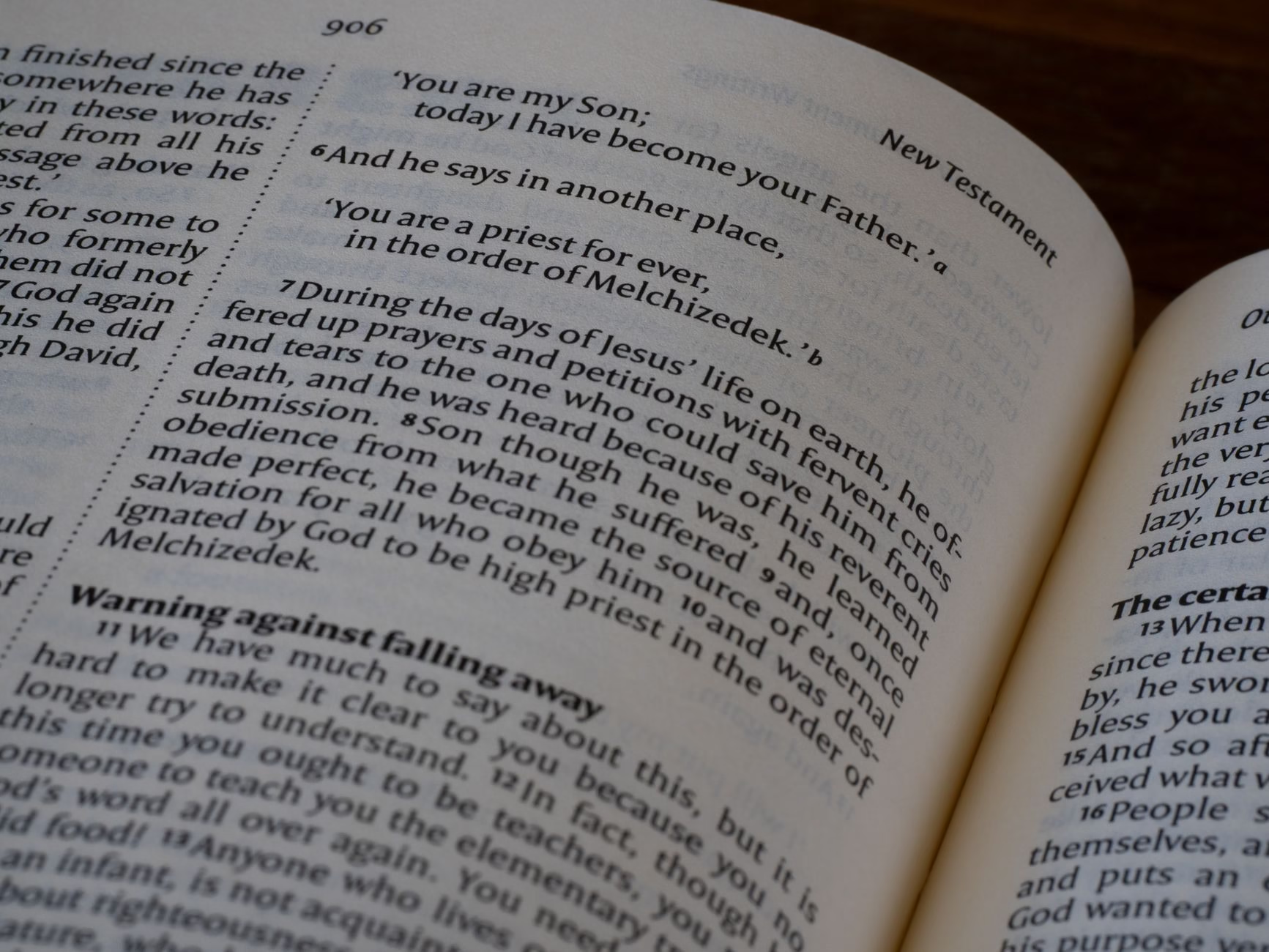
The concept of God as a Father resonates deeply within the hearts of many believers and seekers alike. It reflects a relationship built on love, protection, and guidance. In a world filled with uncertainty, understanding God as a Father offers comfort and assurance. This blog post will delve into the significance of God as our Father through various Bible verses, enriching your faith and relationship with Him.
The Nature of God as a Father
When we refer to God as a Father, we are embracing an intimate relationship that goes beyond mere titles or roles. The Bible presents God not only as a Creator but also as a loving parent who cares for His children. Understanding this concept helps us grasp the depth of His love and the principles of His guidance.
Biblical Examples of God as Father
Creation and Care: Just like a father brings life into the world, God created us in His image (Genesis 1:27). This foundational aspect underscores our worth and purpose.
Nurturing and Providing: Throughout Scripture, God is depicted as a provider. Mathew 7:11 states, “If you then, who are evil, know how to give good gifts to your children, how much more will your Father who is in heaven give good things to those who ask him?” This verse illustrates God's commitment to meeting our needs.




Key Bible Verses About God as a Father
Here, we will explore some of the most powerful verses that highlight God’s role as our Father:
1. John 1:12-13
"But to all who did receive him, who believed in his name, he gave the right to become children of God, who were born, not of blood nor of the will of the flesh nor of the will of man, but of God."
- Insight: Here, we see the transformative power of faith, granting believers the identity of being children of God. This relationship is not based on human lineage but divine will.
2. Psalm 103:13
"As a father shows compassion to his children, so the Lord shows compassion to those who fear him."
- Insight: This verse depicts God’s empathetic nature, emphasizing His understanding and compassion. He responds to our needs with the same care a loving father provides for his child.
3. 2 Corinthians 6:18
"And I will be a father to you, and you shall be sons and daughters to me, says the Lord Almighty."
- Insight: God’s desire to foster a familial bond with us is explicitly stated here. He invites us into a relationship filled with love and acceptance.
prayer">4. Matthew 6:9-10 (The Lord's Prayer)
"Our Father in heaven, hallowed be your name. Your kingdom come, your will be done, on earth as it is in heaven."
- Insight: Starting the Lord's Prayer with "Our Father" indicates that we approach God as a caring parent, underscoring the personal connection we can have in prayer.
The Implications of God as Our Father
Understanding God as our Father carries significant implications for our daily lives:
Trust and Security: Knowing God as a loving Father enables us to trust Him in all circumstances. We can bring our worries, needs, and desires before Him, believing that He cares and intends good for us.
Identity and Worth: Our identity is rooted in being children of God. This understanding enhances our self-worth and helps us navigate life's challenges without losing our sense of belonging.
Discipline and Growth: As a loving Father disciplines His children, so does God guide us toward growth. Hebrews 12:7 reminds us, “It is for discipline that you have to endure. God is treating you as sons."
Modeled Relationships: God’s fatherly nature provides a model for how we are to relate to others, fostering love, patience, and understanding both in our families and communities.
Conclusion
The portrayal of God as a Father is a profound theme woven throughout Scripture, offering believers a sense of belonging, purpose, and security. Whether you are navigating life's challenges or celebrating its joys, remembering the Fatherly love of God can sustain you through various seasons of life. By meditating on these verses and their implications, you can deepen your relationship with God and embrace the comfort that comes from being His child.
As you reflect on the heart of God as a loving Father, consider how you can embody that love and trust in your own relationships. After all, the greatest commandment is to love—both God and one another—just as He loves us. Your journey to understanding God as your Father will not only enrich your faith but also transform the way you live and love.