
Life Transformation
Bible Verses About Doing God’s Will: Finding Purpose in Life
Nov 6, 2026 · 13 min read
Uncover Bible verses that talk about flowers, reflecting on God's creation and spiritual growth through biblical metaphors related to flowers.
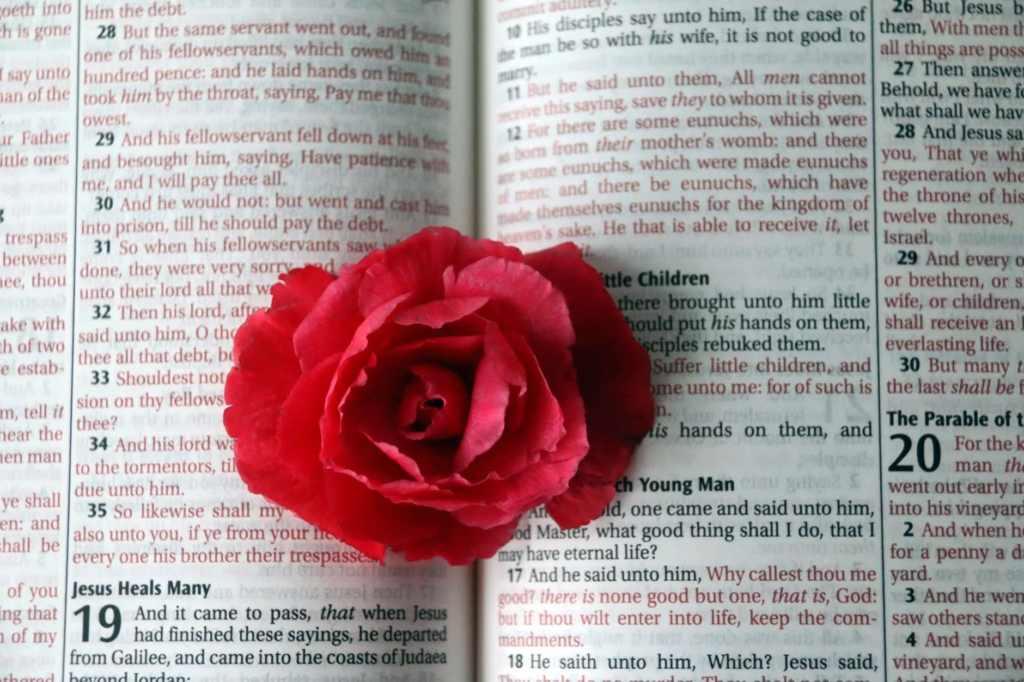
Flowers have long been synonymous with beauty, growth, and the transient nature of life. They flourish, bloom, and eventually wither—a cycle that reflects many essential teachings found in the Bible. In various contexts, the Bible verses that talk about flowers serve as powerful metaphors for God’s creation, His care for humanity, and the importance of spiritual growth. In this blog post, we will explore several verses that specifically reference flowers, delving deeper into their meanings and implications for our lives.
One of the most striking aspects of flowers in the Bible is how they reveal the wonder of God's creation. Flowers are often depicted as manifestations of God's artistry and creativity.
In Matthew 6:28-30, Jesus beautifully illustrates the splendor of wildflowers:
"And why do you worry about clothes? See how the flowers of the field grow. They do not labor or spin. Yet I tell you that not even Solomon in all his splendor was dressed like one of these. If that is how God clothes the grass of the field, which is here today and tomorrow is thrown into the fire, will he not much more clothe you—you of little faith?"
Key Takeaway:
Flowers also remind us of the fleeting nature of life and our human experiences.
Isaiah 40:6-8 offers a sobering reflection on the brevity of life:
"A voice says, 'Cry out.' And I said, 'What shall I cry?' 'All people are like grass, and all their faithfulness is like the flowers of the field. The grass withers and the flowers fall, because the breath of the Lord blows on them. Surely the people are grass. The grass withers and the flowers fall, but
The lily of the valley is often celebrated in Christian symbolism, representing purity and humility. In the Song of Solomon, the bride says, “As the lily among thorns, so is my love among the daughters” (Song of Solomon 2:2, KJV). This imagery illustrates how beauty and grace can flourish even amidst adversity.
The lily also serves as a reminder of God’s provision and care for His people. Jesus mentioned lilies in His Sermon on the Mount, saying, “And why take ye thought for raiment? Consider the lilies of the field, how they grow; they toil not, neither do they spin” (Matthew 6:28, KJV). This verse calls believers to trust in God’s provision, as He cares for even the smallest of His creations.
The rose is often used in Christian literature and art to represent Christ, particularly in His suffering and sacrifice. In Isaiah, it is written, “And there shall come forth a rod out of the stem of Jesse, and a Branch shall grow out of his roots” (Isaiah 11:1, KJV). The ‘Branch’ can be interpreted as Christ, who emerged as a beautiful rose from the lineage of David.
Furthermore, the rose’s thorns can signify the pain and suffering that Jesus endured for humanity. As the beloved hymn ‘The Rose’ reflects, Christ’s love is like a rose that blooms despite the thorns of life. This duality of beauty and pain reminds Christians of the depths of Christ’s love and sacrifice.
<h3.Wildflowers and God’s Care
Wildflowers grow in abundance and often in unexpected places, representing God’s grace and provision in our lives. In Matthew, Jesus said, “Consider the lilies of the field, how they grow; they toil not, neither do they spin” (Matthew 6:28, KJV). Wildflowers thrive without human intervention, drawing attention to God’s sovereignty and care for creation.
These flowers serve as a metaphor for God’s love, which is freely given and abundant. Just as wildflowers bloom in the most unlikely places, God’s grace can manifest in our lives even during challenging times. They remind us that we are cared for by a loving Creator who knows our needs before we ask (Matthew 6:8, KJV).
<h3.Wildflowers and Community
Wildflowers often grow in clusters, creating a vibrant display of color and life. This can serve as a beautiful analogy for the Christian community. In 1 Corinthians 12:12, Paul expresses the importance of unity in diversity, stating, “For as the body is one, and hath many members, and all the members of that one body, being many, are one body: so also is Christ” (KJV). Just like wildflowers, each member of the body of Christ contributes to the beauty and strength of the church.
In addition, wildflowers remind us of the importance of serving others. Just as they provide food and shelter for various creatures, Christians are called to serve their communities, reflecting the love of Christ. This communal aspect of faith can be nourished through fellowship, service projects, and acts of kindness.
<h3.The Role of Flowers in Biblical Worship
Flowers have played a significant role in worship practices throughout the Bible. In the Old Testament, God commanded the Israelites to bring offerings and sacrifices to Him, which included the first fruits of their crops, often accompanied by flowers. In Leviticus, it is stated, “And ye shall bring your offering of the first fruits unto the Lord” (Leviticus 23:10, KJV). This act of giving was a way to honor God and acknowledge His provision.
In modern worship, flowers are often used to beautify church spaces, enhancing the atmosphere of reverence and celebration. They can symbolize the joy of the resurrection, as seen in the use of lilies during Easter services, reminding congregants of new life and hope in Christ.
<h3.Flower Imagery in Prayer
In addition to their physical presence in worship, flowers are often used in prayers and spiritual reflections. The beauty of flowers can inspire believers to approach God with gratitude and reverence. For instance, in Psalm 103:15-16, it states, “As for man, his days are as grass: as a flower of the field, so he flourisheth. For the wind passeth over it, and it is gone; and the place thereof shall know it no more” (KJV). This verse encourages believers to appreciate the fleeting nature of life while seeking eternal significance through prayer.
Moreover, flowers can serve as a tangible reminder of God’s promises. Just as flowers bloom in their season, believers are called to trust God for His timing in their lives. As the Apostle Paul writes, “Be careful for nothing; but in every thing by prayer and supplication with thanksgiving let your requests be made known unto God” (Philippians 4:6, KJV). This encourages believers to bring their concerns to God, trusting that He will provide in His perfect timing.
In the Bible, flowers are often used to illustrate God’s abundant provision for His creation. In Matthew 6:28-30, Jesus points to the lilies of the field as a testament to God’s care: “And why take ye thought for raiment? Consider the lilies of the field, how they grow; they toil not, neither do they spin: And yet I say unto you, That even Solomon in all his glory was not arrayed like one of these.” This passage emphasizes that if God provides for the flowers, which are here today and gone tomorrow, He will certainly care for His children. This can be a profound reminder for Christians to trust in God’s provision and not be consumed by worry about material needs.
Understanding God’s care extends beyond just physical needs. It also encompasses emotional and spiritual well-being. Just like flowers bloom in their season, so too can we find comfort in knowing that God nurtures us in our times of need. A list of relevant scriptures includes:
Flowers can also serve as a reminder of God’s faithfulness across generations. In Isaiah 40:8, it is written, “The grass withers, the flower fades: but the word of our God shall stand forever.” This verse contrasts the fleeting beauty of flowers with the everlasting nature of God’s Word, emphasizing that while flowers may fade, God’s promises remain timeless. This can be incredibly encouraging for believers facing trials, as it reassures them that God’s faithfulness does not change.
As flowers bloom each spring, they signify renewal and hope. This cyclical nature of life can help believers reflect on the constancy of God’s grace and mercy. Just as flowers return, so can we return to God for renewal:
Flowers also serve as a metaphor for spiritual growth in the Christian life. In 1 Peter 2:2, believers are encouraged to “Like newborn infants, long for the pure spiritual milk, that by it you may grow up into salvation.” Just as flowers need proper conditions to flourish, Christians require a nurturing environment, prayer, Scripture, and fellowship, to grow in their faith. This growth is essential for maturity in Christ.
As flowers grow, they go through stages of development, mirroring the stages of a believer’s faith journey. Here are some key aspects of spiritual growth:
In the Parable of the Sower, found in Matthew 13, Jesus uses the imagery of seeds falling on different types of soil to express how the Word of God takes root in different hearts. Some seeds fall on rocky ground and wither, while others fall on good soil, producing a bountiful harvest. Flowers, like the seeds in this parable, require the right conditions to flourish. This parable is a reminder that while God spreads His Word liberally, the receptiveness of our hearts determines how well we grow in faith.
Reflecting on this parable encourages Christians to examine their own lives. Are they nurturing their spiritual growth, or are they allowing distractions to choke it out? Consider these important questions:
Flowers can symbolize the beauty of diversity within the body of Christ. In 1 Corinthians 12:12-14, Paul writes, “For just as the body is one and has many members, and all the members of the body, though many, are one body, so it is with Christ. For in one Spirit we were all baptized into one body, Jews or Greeks, slaves or free, and all were made to drink of one Spirit.” This verse teaches us that, like a vibrant garden filled with various flowers, the Church consists of diverse individuals who play unique roles in God’s kingdom.
Flowers blooming together create a beautiful tapestry, much like how believers work together to build up the Church. Each person brings their gifts, talents, and experiences, contributing to a collective mission. Here are some flowers that symbolize unity and diversity:
Flowers remind us of our call to serve one another within the Christian community. Galatians 5:13 states, “For you were called to freedom, brothers. Only do not use your freedom as an opportunity for the flesh, but through love serve one another.” Just as flowers often attract pollinators to ensure their continuation, believers are called to serve and uplift one another, creating an environment where everyone can thrive.
Serving one another can take many forms, from acts of kindness to offering support during difficult times. Here are some practical ways to embody this service:
By embracing our roles in the body of Christ, we can create a flourishing community that reflects the beauty and diversity of flowers in bloom.
Weekly encouragement
Free Bible study guides, prayer help and a verse to carry through your week. No spam, unsubscribe anytime.



Join the conversation