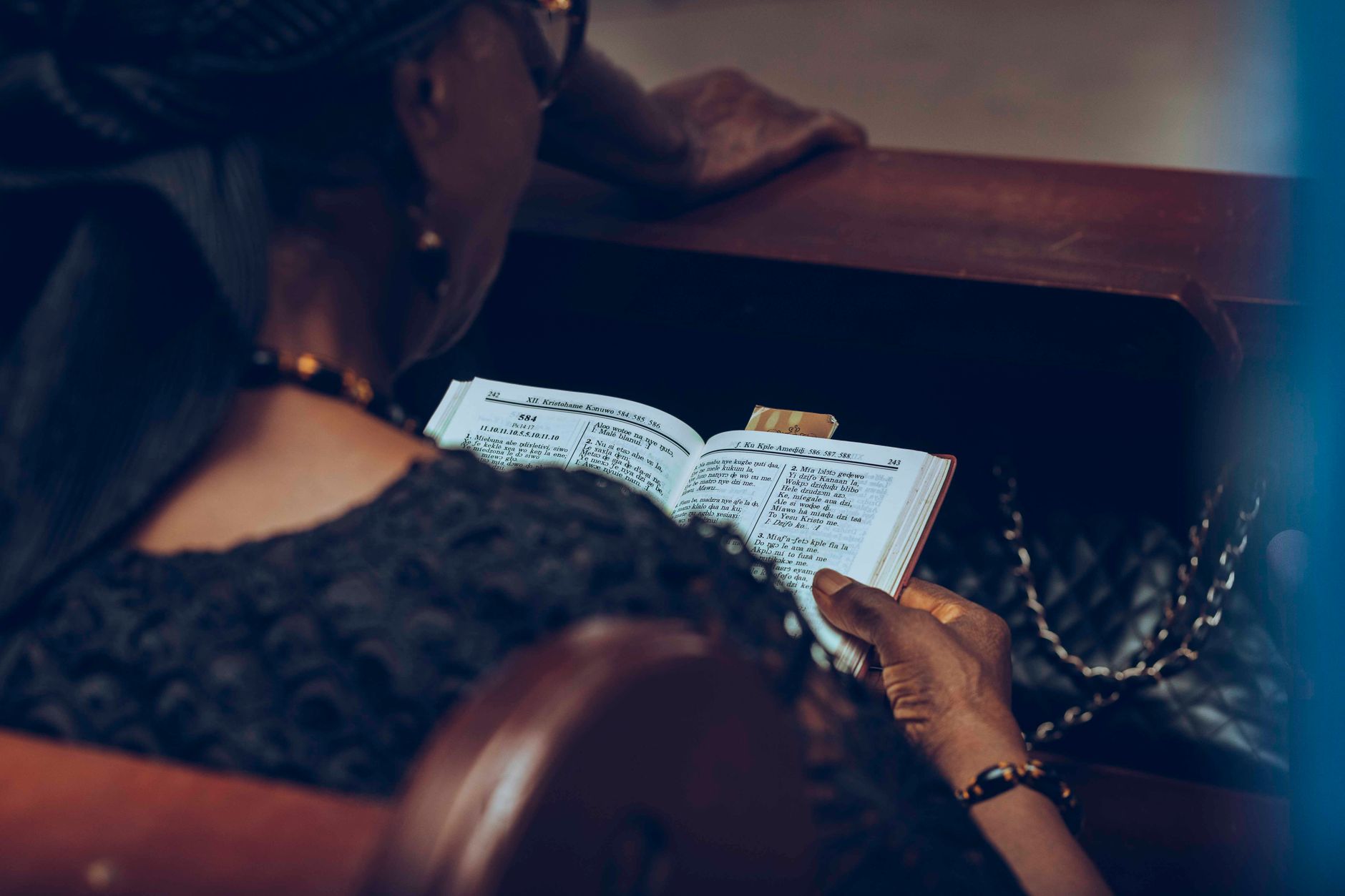
The theme of surrender is woven throughout the fabric of the Bible, often serving as a prerequisite for life transformation. Understanding the connection between surrender and transformation can deepen our spiritual lives and cultivate a closer walk with God. When we surrender to God, acknowledging His sovereignty and goodness, we open ourselves up to the possibility of profound change. Examples from Scripture illustrate how this principle unfolds in the lives of believers.
Surrender as an Act of Faith
Surrender begins with an act of faith—trusting that God knows what is best for us. In Proverbs 3:5-6, we read, “Trust in the Lord with all your heart, and do not lean on your own understanding. In all your ways acknowledge him, and he will make straight your paths.” Here, the act of surrendering our understanding demonstrates our reliance on God and His wisdom. When we recognize our limitations, we can invite God to guide us more effectively.
This surrender is mirrored in the New Testament when Jesus instructs His followers to take up their crosses. In Matthew 16:24-25, He says, “If anyone would come after me, let him deny himself and take up his cross and follow me. For whoever would save his life will lose it, but whoever loses his life for my sake will find it.” Jesus presents the paradox that true life is found through surrender. By letting go of our selfish desires and ambitions, we receive the abundant life He offers.
Surrendering to God’s Will
To experience life transformation, we must surrender our will to God’s plan. This surrender is beautifully illustrated in the garden of Gethsemane, where Jesus wrestled with His impending crucifixion. In Luke 22:42, He prays, “Father, if you are willing, remove this cup from me. Nevertheless, not my will, but yours, be done.” This poignant moment reveals the depth of Christ’s submission to the Father’s will, a submission that ultimately led to the redemption of humanity.
Jesus’ example teaches us that surrender does not imply the absence of struggle or doubt. We may face challenges or uncertainty in our lives, but surrendering to God means placing our trust in Him despite those struggles. It is in these moments of surrender that we allow God to work in our hearts, reshaping our desires and transforming us from the inside out.
The Transformative Power of Surrender
The process of transformation through surrender is a theme echoed throughout various passages in Scripture. In Romans 12:1-2, Paul urges believers to present their bodies as “a living sacrifice, holy and acceptable to God, which is your spiritual worship.” This act of presenting ourselves to God is a form of surrender; it is a conscious decision to give our lives over to Him for His purposes. As we do this, we are promised transformation: “Do not be conformed to this world, but be transformed by the renewal of your mind, that by testing you may discern what is the will of God, what is good and acceptable and perfect.”
Thus, surrendering to God facilitates a renewing of our minds. As we seek to know Him more intimately, our thoughts and actions begin to align with His character, resulting in a transformation that reflects His love and grace to the world around us.
The Role of the Holy Spirit
The Holy Spirit plays a crucial role in the surrender and transformation process. When we invite the Holy Spirit into our lives, we gain not just a Helper but an active participant in our spiritual journey. In Galatians 5:22-23, Paul describes the fruit of the Spirit: “But the fruit of the Spirit is love, joy, peace, patience, kindness, goodness, faithfulness, gentleness, self-control; against such things there is no law.” As we surrender to the leading of the Holy Spirit, these fruits begin to manifest in our lives, signifying a transformation that aligns us more closely with Christ.
This transformation may not happen overnight; it is often a gradual process. The fruits of the Spirit develop as we yield to God and allow His Spirit to work within us. Ephesians 3:20 encourages us with the promise that God “is able to do far more abundantly than all that we ask or think, according to the power at work within us.” This power is the transformative love and grace of God working through the Holy Spirit.
The Biblical Examples of Transformation through Surrender
Throughout the Bible, we find many accounts of individuals who experienced life transformation as a direct result of their surrender to God. Consider the story of Saul, who later became known as Paul. Initially, Saul was a fierce persecutor of Christians. However, in Acts 9:3-6, on the road to Damascus, he encountered the risen Christ. After this encounter, Saul surrendered his life to Jesus, leading to a dramatic transformation. He shifted from antagonist to apostle, dedicating his life to spreading the Gospel and establishing churches. His life exemplifies how a complete surrender to God can result in profound change and purpose.
Another powerful example is Mary, the mother of Jesus. When the angel Gabriel visited her, Mary responded with surrender, saying in Luke 1:38, “Behold, I am the servant of the Lord; let it be to me according to your word.” Her willingness to accept God’s plan led to the miraculous birth of Jesus, changing the course of history. Mary’s story inspires us to surrender our own plans and embrace God’s calling, no matter how daunting it may seem.
The Encouragement to Surrender
For many, the act of surrender can feel intimidating—often, we cling tightly to our fears, failures, and the unknown. Yet, the Scriptures remind us that God is good and His plans are for our welfare. In Jeremiah 29:11, we read God’s promise: “For I know the plans I have for you, declares the Lord, plans for welfare and not for evil, to give you a future and a hope.” Trusting in God’s plan requires surrender, but it also invites peace and assurance into our lives.
God’s invitation to surrender is accompanied by His loving presence. In Matthew 11:28-30, Jesus extends an invitation to weary souls: “Come to me, all who labor and are heavy laden, and I will give you rest. Take my yoke upon you, and learn from me, for I am gentle and lowly in heart, and you will find rest for your souls. For my yoke is easy, and my burden is light.” This passage beautifully illustrates that surrender does not lead to destruction but rather to divine rest and renewal.
Conclusion: A Life Transformed through Surrender
In conclusion, the connection between surrender and life transformation is profound and significant. As we yield our will to God, invite His Spirit into our hearts, and trust in His goodness, we open ourselves to the miraculous work of transformation. Just as countless believers have discovered throughout history, surrendering to God is not a sign of weakness; it is an acknowledgment of His greatness and a pathway to becoming who we are meant to be.
May we each take steps of faith toward surrender, trusting in the God who is faithful to transform our lives, leading us into the abundant life found in Christ Jesus. Let us remember that surrender is a journey, one that brings hope, healing, and renewal as we walk closely with our Savior.