
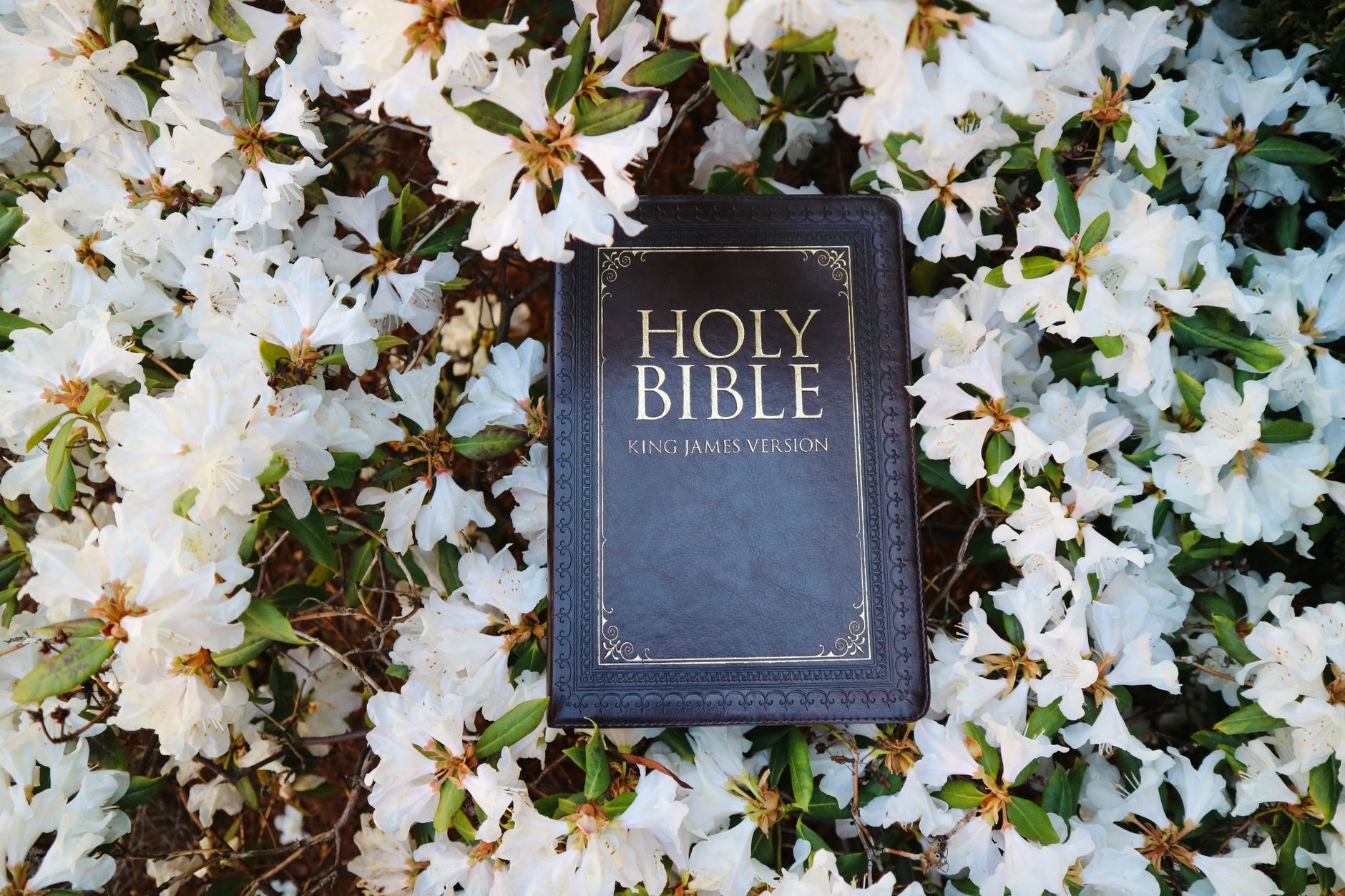
Short answer: Where flowers bloom, so does hope is echoed in scriptural verses such as Matthew 6:28-30, reminding us of God's provision and care through nature. Additionally, Isaiah 55:13 speaks of transformation, symbolizing hope through flourishing life. These passages encourage us to trust in God's timing and promises.
Where Flowers Bloom, So Does Hope: A Journey Through Scripture and Nature
Introduction
"Where flowers bloom, so does hope." This timeless phrase, often associated with the beauty of renewal and the promise of brighter days, resonates deeply in our hearts and brings to mind the reassuring promises found within the Bible. In Scripture, flowers and the bloom of new life are powerful symbols of hope, transformation, and divine promise. Whether you're in search of spiritual inspiration or simply drawn to the symbolism of flowers, this exploration will illuminate the connections between nature's blooms and the eternal hope found in God's Word.
The Symbolism of Flowers in the Bible
In many cultures, flowers symbolize beauty, life, and purity. Similarly, the Bible uses the imagery of flowers to convey divine messages of hope, faith, and the cyclical nature of life and renewal.
Lilies of the Field (Matthew 6:28-30): Jesus encourages His followers not to worry about material needs, using the lilies as a metaphor for God's provision and care. "Consider the lilies of the field, how they grow: they toil not, neither do they spin." This passage reminds us of the beauty and simplicity of trusting in God's plan.
Rose of Sharon (Song of Solomon 2:1): This poetic book of love uses the "Rose of Sharon" as a representation of beauty and love. In Christian theology, some interpret this as a symbol of Christ's redemptive love.
The Cedar and the Cypress (Isaiah 55:13): In Isaiah, the promise of conversion from a thorny past to a flourishing future is expressed with the transformation of thornbushes to cypress and myrtles, symbolizing a life enriched with hope and blessings.
Nature's Testimony of Hope and Renewal
The changing of seasons is a testament to the divine rhythm of the universe. With every spring comes a plethora of blossoms, each flower standing as a resilient reminder of life's continuum and the perpetual renewal of hope.
Spring: A Season of Renewal: As winter recedes, flowers emerge vividly. This cycle is symbolic of resurrection and renewal, akin to the resurrection of Christ. It's an annual invitation to shed the old and embrace new beginnings.
The Garden of Eden: In the Bible, the Garden of Eden is portrayed as the ultimate paradise, blooming with every kind of flower and plant, showcasing God's creative power and the hope of living in harmony with Him.
Gardening as a Spiritual Practice: Many find tending a garden a meditative practice, drawing them closer to nature and God. The act of planting seeds, nurturing them, and witnessing their bloom is a powerful experience of faith and expectation.
Lessons of Hope and Faith Through Nature
Flowers and their Biblical symbolism offer lessons on hope and perseverance in our daily lives.
Resilience in Every Petal: Like flowers withstanding the harshness of seasons, hope endures through life's challenges. Every bloom serves as a reminder that adversity can lead to beauty and growth.
Patience in Nature's Timing: Flowers bloom when conditions align perfectly, teaching us patience and trust in God's timing. We learn that each phase of life has its purpose under divine orchestration.
Interconnectedness of Life: Just as flowers rely on the sun and soil, our lives are intertwined with God's love and the warmth of our faith community, nurturing us toward the fruition of hope.
Conclusion: Embrace the Blossom of Hope
The recurring theme of flowers within biblical texts underscores a powerful message of hope, transformation, and divine providence. In every bloom lies a divine promise that reassures and uplifts the soul. As you stroll through a garden or witness the unfolding beauty of nature, remember that where flowers bloom, hope invariably follows—a hope deeply rooted in faith, ready to flourish with each new dawn. Embrace this hope, let it guide your journey, and allow it to blossom in every season of your life.
Key Takeaways
- Flowers symbolize beauty, life, and divine promise throughout the Bible.
- Jesus teaches us to rely on God's care as exemplified by the lilies of the field.
- The transformation in Isaiah illustrates moving from adversity to hope.
- Gardening can be a meditative practice that deepens our faith and connection to God.
Cultivate Hope in Your Life
Consider starting a small garden or tending to houseplants as a way to connect with nature and God. Observe the growth process and reflect on the lessons of patience and renewal it offers.
Frequently Asked Questions
What does the Bible say about flowers and hope?
The Bible often uses flowers to symbolize hope and God's provision, as seen in Matthew 6:28-30, where Jesus highlights the care God has for even the smallest creations.
How can nature inspire spiritual growth?
Nature exemplifies the cycles of life, reminding us of God's constant presence. Observing the growth of plants can teach us patience and the beauty of renewal.
What biblical verses mention flowers?
Key verses include Matthew 6:28-30 about lilies and Song of Solomon 2:1, which references the Rose of Sharon, symbolizing beauty and divine love.
Why do flowers symbolize resurrection?
Flowers bloom anew each spring, akin to Christ's resurrection, signifying hope and new beginnings, reminding us of the promise of life after adversity.
The Bottom Line
Embrace the blooms and the hope they represent in your spiritual journey. Each flower is a reminder of God's love and the beauty that comes from trusting in His divine plan.