wisdom-of-solomon">What the Bible Teaches About The Wisdom of Solomon
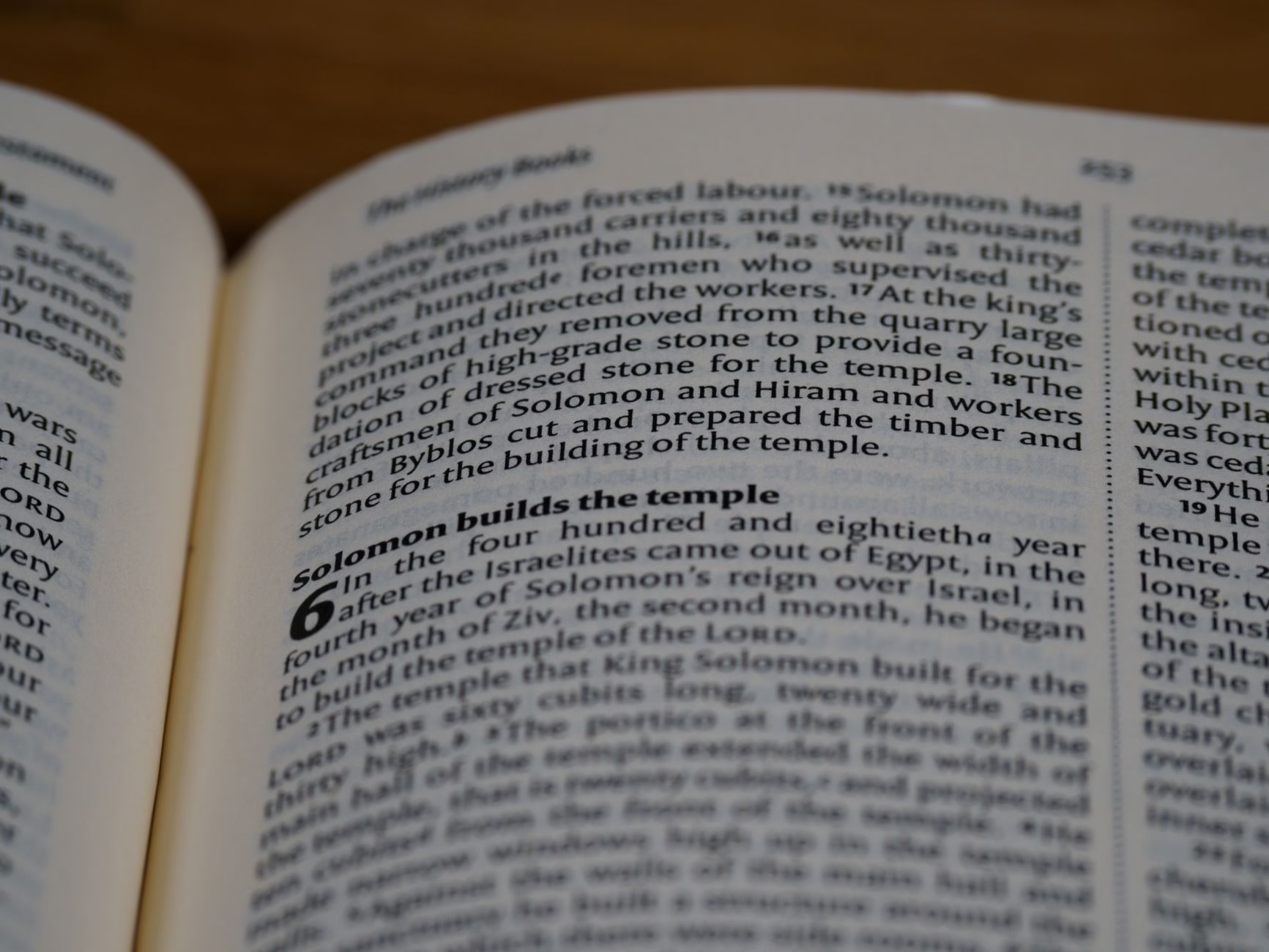
The book of Proverbs, Ecclesiastes, and the Song of Solomon presents a vivid picture of one of the most fascinating figures in biblical history: King Solomon. Best known for his unparalleled wisdom, Solomon's life and teachings offer invaluable insights into morality, leadership, and the human experience. This article will explore the biblical teachings on Solomon’s wisdom, its sources, manifestations, and relevance for us today.
Who Was Solomon?
Before delving into his wisdom, it's crucial to understand who Solomon was. He was the son of King David and Bathsheba and reigned as the king of Israel around 970 to 931 B.C. Solomon is often considered one of the most significant kings in the history of Israel, a man blessed with extraordinary wisdom and wealth.
The biblical narrative suggests that Solomon's reign was marked by prosperity, peace, and cultural flourishing, symbolized by monumental architecture, including the First Temple in Jerusalem. His story teaches us that wisdom is not just about knowledge—it's about understanding and applying that knowledge in ways that honor God and uplift humanity.
The Source of Solomon’s Wisdom
A Divine Gift
According to 1 Kings 3:5-14, Solomon's wisdom was a divine gift. When Solomon succeeded his father David, God appeared to him in a dream and offered to grant him anything he wished. Instead of asking for wealth, power, or long life, Solomon humbly requested the wisdom to lead his people discernibly. Pleased with this request, God granted him exceptional wisdom, along with riches and honor—a combination that has resonated throughout history.
Related Posts:


Key Points:
- Humble Request: Solomon’s wisdom stemmed from his humility and desire to serve.
- Divine Approval: God valued his request, leading to the outpouring of other blessings.
Manifestations of Wisdom
Wise Judgments
Solomon's wisdom is illustrated through numerous stories, the most famous being the judgment of the two women who claimed to be the mother of a newborn. Solomon proposed to cut the baby in half, revealing the true mother by her willingness to relinquish her claim to save her child. This story not only demonstrates Solomon’s insightful nature but also reflects a broader principle: true wisdom often involves understanding the motivations and emotions of those involved.
Proverbs and Teachings
Solomon is traditionally attributed as the author of many proverbs in the Book of Proverbs, which provide practical advice on various areas of life, such as relationships, work, and morality. These teachings include:
- Proverbs 1:7: “The fear of the Lord is the beginning of knowledge.”
- Proverbs 4:7: “The beginning of wisdom is this: Get wisdom. Though it cost all you have, get understanding.”
These verses emphasize that wisdom begins with a reverent relationship with God and the pursuit of understanding.
Ecclesiastes: A Reflection on Life
In the book of Ecclesiastes, Solomon reflects on the nature of existence, the futility of earthly pursuits, and the importance of living wisely within the given time. His observations teach valuable lessons about the transience of life, the pursuit of happiness, and the need for purpose. Some critical themes include:
- The Importance of Balance: Encouraging readers to enjoy life but also recognize its ephemeral nature.
- Value of Work: Highlighting the joy that can be found in meaningful labor and the importance of knowing that our actions hold weight.
The Relevance of Solomon’s Wisdom Today
Applications in Modern Life
Solomon's wisdom transcends time, remaining relevant in today's complex world. Here are a few ways we can apply his teachings:
- Decision-Making: Like Solomon, we face choices that require discernment. Praying for wisdom and considering multiple perspectives can help navigate tough decisions.
- Emotional Intelligence: Understanding human emotions and motivations, as Solomon did, can enhance interpersonal relationships and leadership effectiveness.
- Value of Knowledge: Putting effort into acquiring knowledge and seeking wisdom can lead to personal and professional success.
Reflection in Leadership and Governance
In an age when ethical leadership is crucial, Solomon's approach offers valuable lessons for leaders. His humility, inclusive decision-making, and desire to serve the public showcases how wisdom in leadership should be approached—not for personal gain but for the benefit of the broader community.
Conclusion
The wisdom of Solomon is a rich tapestry woven through the Scriptures, providing timeless insights into living a balanced and meaningful life. His legacy teaches us about the importance of humility, the pursuit of knowledge, and the moral values needed to lead effectively. As we reflect on Solomon’s life and teachings, let us remember that wisdom is not merely an accumulation of knowledge or accolades but rather a heartfelt commitment to understanding and applying that knowledge ethically and thoughtfully. So, whether navigating life's challenges or leading others, may we all strive for the same kind of wisdom that Solomon embodied—an ultimate gift that continues to inspire and guide generations.