The Nature of Waiting
Waiting can be one of the most challenging aspects of our faith journey. In our hurried lives, waiting often feels uncomfortable and frustrating. We live in a world that encourages instant gratification. Yet, the Bible reminds us that waiting is not simply a period of inactivity; it is an opportunity for growth, reflection, and deepening our relationship with God.
In the Book of Isaiah, we find profound encouragement regarding waiting: “But they who wait for the Lord shall renew their strength; they shall mount up with wings like eagles; they shall run and not be weary; they shall walk and not faint” (Isaiah 40:31). This scripture reveals that waiting on the Lord is transformative. It allows us to receive renewed strength and perspective.
<h2.Scriptural Foundations for Waiting
The Bible is replete with accounts of individuals who had to wait on God for fulfilling His promises. These narratives provide us with invaluable lessons about faith and patience.
Consider Abraham, who waited for decades for the promise of a son, Isaac. God’s promise to Abraham was clear, yet it took years for this promise to come to fruition. In Romans, we read, “For the promise to Abraham and his offspring was not through the law but through the righteousness of faith” (Romans 4:13). Abraham’s long wait was a testament to his faith, highlighting how God’s timing transcends our expectations.
Joseph also provides a remarkable example of waiting. After being sold into slavery by his brothers and enduring years in prison, he eventually rose to become a powerful leader in Egypt. His life illustrates that through patience and faithfulness in waiting, God orchestrates His plans for our good and the good of others (Genesis 50:20).
<h2.Cultivating Patience Through Prayer
When faced with waiting, prayer becomes essential. It is our lifeline to God, a means to express our frustrations and fears while seeking His guidance. As we pray, we are transformed; our hearts align more closely with God’s will. Philippians offers this comforting reminder: “Do not be anxious about anything, but in everything by prayer and supplication with thanksgiving let your requests be made known to God” (Philippians 4:6).
Making time for prayer during seasons of waiting allows us to practice gratitude. By focusing on what God has already done in our lives, we shift our perspective from anxiety about the future to trust in His goodness. Therefore, instead of fixating on our demands or timelines, we are invited to seek His face earnestly.
<h2.Finding Hope in God’s Promises
As we wait, it is crucial to immerse ourselves in God’s Word. The Bible is filled with promises that remind us of God’s faithfulness and the ultimate hope we have in Him. In Psalm 27:14, we are encouraged: “Wait for the Lord; be strong, and let your heart take courage; wait for the Lord!” This call to courage reassures us that waiting is an active choice and not passive resignation.
Establishing a habit of reading scripture can foster patience and soothe our anxious hearts. Meditating on verses such as Jeremiah 29:11 provides hope: “For I know the plans I have for you, declares the Lord, plans for welfare and not for evil, to give you a future and a hope.” By anchoring ourselves in these truths, we can carry peace amid uncertainty.
<h2.Encouragement in Community
Lastly, engaging with our faith community can be an encouragement during seasons of waiting. Sharing our struggles and prayers with fellow believers helps us remember we are not alone. In Galatians 6:2, we are instructed, “Bear one another’s burdens, and so fulfill the law of Christ.” This scripture prompts us to support and uplift one another as we navigate our faith journeys.
Consider finding or nurturing a small group focused on prayer and shared experiences. Surrounding ourselves with those who understand the struggle of waiting can lead to powerful support and guidance, reinforcing our faith and commitment to waiting on the Lord.
The Purpose Behind God’s Timing
Understanding the purpose behind God’s timing can help us embrace the wait. God operates on a divine schedule that often differs from our own. While we may desire immediate answers or swift resolutions to our prayers, the scriptures reveal that God’s timing is always perfect. Ecclesiastes teaches us, “For everything there is a season, and a time for every matter under heaven” (Ecclesiastes 3:1). This verse reminds us that there is a divine plan unfolding in our lives, even when we cannot see it.
Moreover, God’s delays are often a means to accomplish greater purposes. In John 11, we see how Jesus delayed His visit to Lazarus, leading to a more remarkable miracle. When He finally arrived, Lazarus had been in the tomb for four days, yet Jesus raised him from the dead. This act not only brought glory to God but also strengthened the faith of those who witnessed it.
The Spiritual Benefits of Waiting
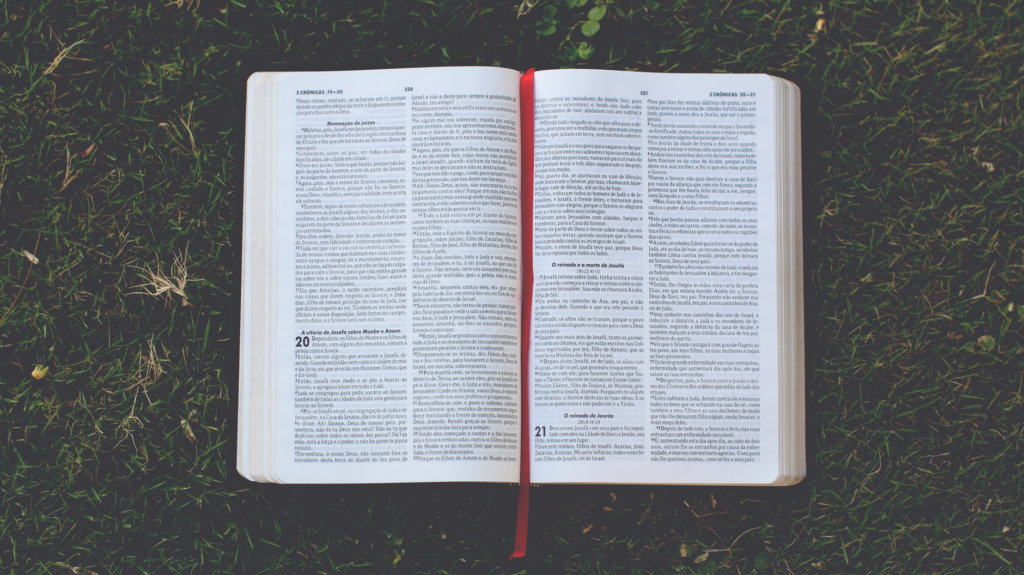
Waiting can serve as a powerful catalyst for spiritual growth. During times of waiting, God invites us to depend on Him more fully. In Psalm 27, we are encouraged to “Wait for the Lord; be strong, and let your heart take courage; wait for the Lord!” (Psalm 27:14). This verse highlights the strength that comes through reliance on God during periods of uncertainty.
Additionally, waiting can cultivate patience and perseverance, qualities that are essential in our walk with Christ. James instructs us, “Count it all joy, my brothers, when you meet trials of various kinds, for you know that the testing of your faith produces steadfastness” (James 1:2-3). By embracing the waiting process, we become more resilient in our faith and better equipped to face future challenges.
Practicing Active Waiting
Active waiting is a concept that encourages us to engage with God even while we wait. It is not passive but involves intentional actions such as prayer, studying scripture, and serving others. In Romans, we read, “Rejoice in hope, be patient in tribulation, be constant in prayer” (Romans 12:12). These practices help to keep our hearts aligned with God during times of uncertainty.
Furthermore, we can look to biblical figures who exemplified active waiting. For instance, Joseph waited many years in difficult circumstances before ascending to a position of power in Egypt. During his time in prison, he remained faithful and diligent, ultimately becoming a guiding figure for his family in their time of need. His story reminds us that our waiting can serve a greater purpose beyond our understanding.
Finding Purpose in the Waiting
When we are called to wait, it is easy to feel as though we are simply biding our time. However, scripture teaches us that there is a divine purpose behind our waiting. Often, God uses the waiting period to prepare us for what He has in store. This preparation can take many forms, such as building our character, strengthening our faith, or teaching us patience. It’s through these trials that we learn to depend on God more fully, recognizing that His timing is always perfect.
“For I know the plans I have for you, declares the Lord, plans to prosper you and not to harm you, plans to give you hope and a future.” – Jeremiah 29:11
The Role of Prayer During Waiting
Prayer is an essential component when we find ourselves in a season of waiting. It acts as a lifeline to God, allowing us to express our fears, frustrations, and hopes. Engaging in prayer during these times can provide clarity and peace, aligning our hearts with God’s will. Philippians encourages us, saying: “Do not be anxious about anything, but in every situation, by prayer and petition, with thanksgiving, present your requests to God” (Philippians 4:6). This act of surrender not only calms our spirits but also fortifies our faith as we trust in God’s plan for the timing of our answers.
Stories of Waiting in Scripture

The Bible is rich with stories of individuals who were called to wait, each providing us with lessons and insights. One notable example is Abraham, who waited many years for the promise of a son. Despite his doubts and the passage of time, he remained faithful, eventually becoming the father of nations. His journey teaches us that waiting is often intertwined with testing and growth. Similarly, the Israelites spent 40 years in the wilderness before entering the Promised Land; their waiting shaped their identity and faith.
“And Abraham believed the Lord, and he credited it to him as righteousness.” – Genesis 15:6
The Purpose of Patience in Our Lives
God often uses periods of waiting to teach us patience, which is a critical aspect of spiritual maturity. In James, we are reminded of the significance of perseverance through trials: “Count it all joy, my brothers, when you meet trials of various kinds, for you know that the testing of your faith produces steadfastness” (James 1:2-3). This process of developing steadfastness requires time and trust in God’s timing.
Moreover, patience helps us to align our desires with God’s will. As we wait, we are given the grace to evaluate our motivations and desires, ensuring that they are in harmony with His plans for us. In this transformative waiting period, we may find that God is working not only in our circumstances but also in our hearts.
Lessons from Biblical Figures Who Waited
The Bible provides numerous examples of individuals who had to exercise patience and trust in God while waiting for fulfillment of His promises. For instance, Abraham waited many years for the birth of his son Isaac. Despite the long delay, he remained faithful to God’s promise. The journey of waiting shaped Abraham’s character and deepened his faith, culminating in a blessing that was far greater than he could have anticipated.
“For I know the plans I have for you, declares the Lord, plans to prosper you and not to harm you, plans to give you hope and a future.” – Jeremiah 29:11
Another poignant example is that of Joseph, who experienced long periods of waiting—from being sold into slavery to being imprisoned unjustly before rising to a position of power in Egypt. Through each stage, Joseph’s faith and patience were tested. Ultimately, God used his waiting to position him as a leader who would save many lives during a famine.
Trusting God’s Timing
In our waiting, it is essential to remember that God’s timing is perfect, even when it doesn’t align with our own expectations. The Psalms remind us of the importance of trusting in God’s plan: “Be still before the Lord and wait patiently for him” (Psalms 37:7). This verse emphasizes that waiting is an active choice to surrender our anxieties and place our trust in God’s wisdom.
Furthermore, when we trust in His timing, we can find peace amid uncertainty. Isaiah reassures us, saying, “In quietness and trust shall be your strength” (Isaiah 30:15). Through these moments of waiting, we learn to lean on God, cultivating a deep-rooted faith that can weather the storms of life.
Key Takeaways
- Waiting on God is a crucial aspect of faith.
- Patience is a virtue that deepens our relationship with God.
- Scripture provides numerous examples of waiting on the Lord.
- In times of waiting, focus on prayer and scripture for strength.
Cultivate a Waiting Heart
Use your waiting time as a period of active prayer and seeking God's presence. Consider journaling your thoughts and prayers to help focus your mind on His promises.
Frequently Asked Questions
Why does God make us wait for answers?
God makes us wait often to build our character and deepen our faith, as seen in James 1:2-4.
How can I strengthen my faith while waiting?
Engage in prayer, study scripture, and reflect on God’s past faithfulness to reassure yourself during times of wait.
What does the Bible say about patience?
The Bible teaches that patience is a fruit of the Spirit, emphasizing its importance in Galatians 5:22-23.
Are there examples of people in the Bible who waited on God?
Yes, figures like Abraham, Joseph, and David all experienced significant periods of waiting that led to God's perfect timing.
The Bottom Line
Embracing patience in faith is a powerful testament to our trust in God. As we wait, let's draw closer to Him and find strength in His perfect plans.