Understanding Faith and Action
Faith is a deeply personal and transformative component of our relationship with God. However, it is essential to recognize that faith is not merely a belief system; it is a living response that compels us to act. In the Scriptures, we often see the intertwined nature of faith and deeds, particularly in the teachings of Jesus and the apostles. When we embrace our faith, it should energize us to take action in our lives.
The book of Hebrews outlines the essence of faith, stating, “Now faith is confidence in what we hope for and assurance about what we do not see” (Hebrews 11:1). This definition indicates that faith is not just an internal belief; it must be evidenced in our lives through action. Therefore, our faith should be reflected in our actions, revealing the realities of our trust in God.
The Biblical Basis for Action
The Bible is rich with teachings that connect our faith to our actions. In the letter of James, we are reminded of the necessity of works as a demonstration of faith. James writes, “What good is it, my brothers and sisters, if someone claims to have faith but has no deeds? Can such faith save them?” (James 2:14). This rhetorical question serves as a powerful reminder that a faith that does not manifest in love and service is itself in question.
Furthermore, James goes on to state, “As the body without the spirit is dead, so faith without deeds is dead” (James 2:26). This poignant analogy emphasizes that just as physical life requires a spirit, our spiritual lives require the active expression of our faith. A vibrant faith invariably produces fruit that benefits others and glorifies God.
Jesus’ Call to Action
 scripture-28960174-1024x682.jpg" alt="The Connection Between Faith and Action in Our Daily Lives scripture" loading="lazy" style="width:100%;height:auto;border-radius:8px" />
Throughout His ministry, Jesus embodied the principle of faith in action. He consistently demonstrated what it means to live out faith through profound acts of service and love. In the Gospel of Matthew, Jesus invites us to see our faith expressed through our care for others: “For I was hungry and you gave me something to eat, I was thirsty and you gave me something to drink, I was a stranger and you invited me in” (Matthew 25:35). His words remind us that our faith should lead us to attend to the needs of others actively.
In the Great Commission, Jesus instructs His followers to go forth and make disciples, baptizing them and teaching them to observe all that He commanded (Matthew 28:19-20). This command underscores that faith in Christ is not to be kept to ourselves or left unexpressed; it calls us to actively participate in the expansion of God’s kingdom. Our actions become the means through which others experience God’s transformative love.
Living Out Faith in Daily Life
The challenge of living out our faith is a daily journey. It involves aligning our actions with the convictions of our hearts and the teachings of Christ. As we encounter everyday situations, we must ask ourselves how our faith informs our decisions and interactions. The Apostle Paul urges us to conduct ourselves in a manner worthy of the gospel of Christ (Philippians 1:27). This call to integrity encourages us to embody our faith in every sphere of life, from our homes to our workplaces and beyond.
Moreover, Paul emphasizes the importance of love as the motivation for our actions. In the letter to the Colossians, he states, “And whatever you do, whether in word or deed, do it all in the name of the Lord Jesus, giving thanks to God the Father through him” (Colossians 3:17). This passage beautifully captures the essence of a faith that acts. By ensuring that our words and actions reflect Christ, we consciously align our lives to serve as witnesses of His love.
Acting in faith also requires a dependence on the Holy Spirit. Our human efforts are insufficient without His guidance and empowerment. As we seek to live out our faith daily, we can rely on the fruits of the Spirit, which enable us to act justly, love mercy, and walk humbly (Micah 6:8). The more we cultivate our relationship with God through prayer and study of the Word, the more naturally our actions will reflect our faith.
Conclusion: The Call to Action
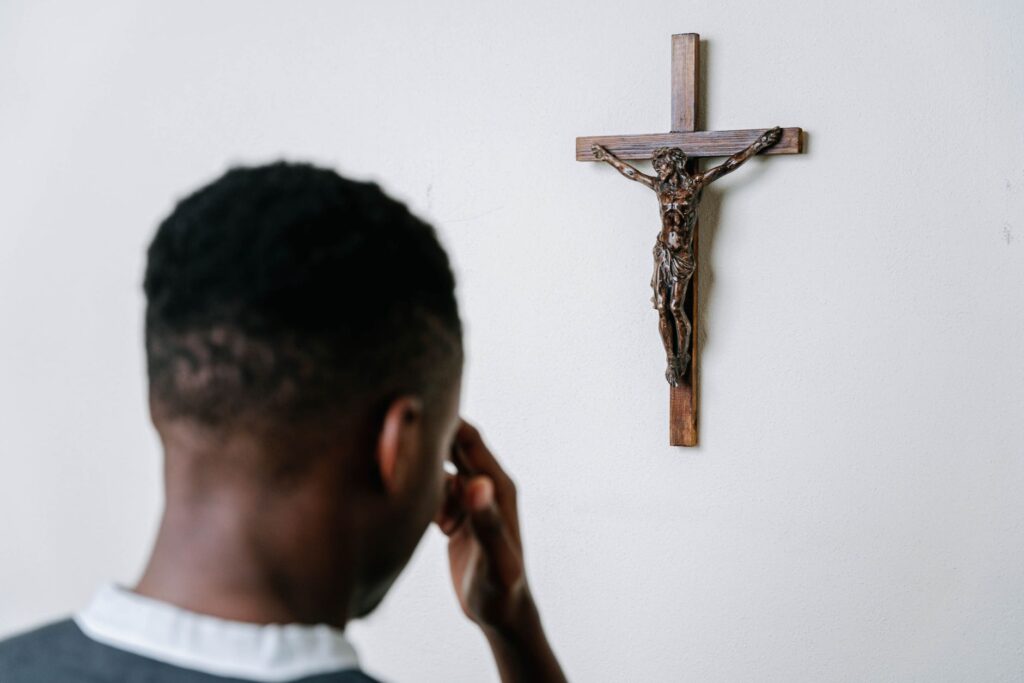
Faith and action are closely linked, forming a continuous cycle in our walk with Christ. Each day presents opportunities to express our faith through actions that reflect God’s love and grace. As we grow in faith, it is crucial that we allow that faith to be the driving force behind our actions.
In a world where faith may often be questioned or dismissed, Christians are called to embody the very essence of Christ through loving actions. By doing so, we will not only experience personal growth in our own faith journey, but we also provide a living testimony of God’s faithfulness to others. The connection between faith and action is not only a theological concept; it is a practical reality that shapes how we live each day.
Faith as a Catalyst for Community Engagement
When we truly embrace our faith, it compels us to reach out and uplift those around us. The connection between faith and action is often seen in acts of service and community engagement. The Apostle Paul reminds us that the body of Christ is made up of many members, each with unique gifts meant for the benefit of the whole (1 Corinthians 12:12-27). This diversity in the body emphasizes the importance of using our faith to engage with our communities, fostering unity and encouraging service.
Moreover, the early church exemplified this principle of communal faith in action. Acts 2:44-45 states, “All the believers were together and had everything in common. They sold property and possessions to give to anyone who had need.” Such radical generosity and mutual support highlight how actions rooted in faith create a vibrant and caring community. As followers of Christ, we are called to participate in this ethos of sharing and supporting one another, ensuring that no one is left in need.
Faith and Social Justice
The call to act upon our faith extends beyond personal relationships into the realm of social justice. The teachings of Scripture emphasize the need for believers to advocate for the marginalized and oppressed. In Isaiah, we read, “Is not this the kind of fasting I have chosen: to loose the chains of injustice and untie the cords of the yoke, to set the oppressed free and break every yoke?” (Isaiah 58:6). This passage challenges us to reflect on how our faith should influence our stance against injustice in society.
Jesus also exemplified a commitment to justice through His ministry, reaching out to the outcasts and challenging the cultural norms that marginalized individuals. His approach teaches us that faith is not merely a personal journey but a collective call to create a more just and equitable world. We must be willing to use our faith as a foundation for activism, advocating for the rights and dignity of all individuals as an expression of our love for God and neighbor.
The Power of Faith in Overcoming Challenges
Our faith is a source of strength, particularly during difficult times. The book of Romans emphasizes this power, stating, “We also glory in our sufferings, because we know that suffering produces perseverance; perseverance, character; and character, hope” (Romans 5:3-4). This passage encourages us to see our challenges not as obstacles but as opportunities for growth and deeper reliance on God. Our actions during trials can serve as a testament to the strength of our faith.
Moreover, the story of David facing Goliath illustrates how faith can empower us to confront seemingly insurmountable challenges. David’s declaration to Goliath, “You come against me with sword and spear, but I come against you in the name of the Lord Almighty” (1 Samuel 17:45), is a powerful reminder that our faith equips us to take bold actions when facing adversity. By leaning into our faith, we foster resilience, encouraging ourselves and those around us to act courageously, trusting in God’s provision and power to see us through.
Key Takeaways
- Faith without action is dead, as emphasized in James 2:26.
- Our actions should reflect our faith in God, demonstrating love and service.
- Jesus calls us to be doers of the word, not just hearers (James 1:22).
Try This Today
Reflect on your daily actions and ask yourself how they embody your faith. Consider small ways to act in love and service this week.
Frequently Asked Questions
What does the Bible say about faith and works?
The Bible teaches that faith without works is dead, as stated in James 2:26, emphasizing the importance of demonstrating faith through our actions.
How can I demonstrate my faith in everyday life?
You can demonstrate your faith through acts of kindness, helping those in need, and living out the principles of love and service found in Scripture.
Is faith alone sufficient for salvation?
While faith is essential for salvation, Ephesians 2:8-10 clarifies that we are created for good works, which should naturally follow genuine faith.
How does Jesus model the relationship between faith and action?
Jesus exemplified faith in action throughout His ministry, healing the sick and serving others, showing us that true faith compels us to love and serve.
The Bottom Line
Our faith is meant to be active, guiding our every action. As we embody the teachings of Christ in our daily lives, we shine His light to the world.