Understanding Selah Bible Verse: Meaning and Reflection
Explore the Selah Bible verse, its meaning, and how it can enrich your spiritual life with reflection and pause in worship.

Key Takeaways
- Selah invites us to pause and reflect.
- Found primarily in the Psalms, it has deep historical roots.
- It enhances our worship experience and personal devotion.
- Understanding Selah can lead to deeper spiritual insights.
The term Selah appears frequently in the Book of Psalms, serving as a unique marker in the text. It is often seen at the end of verses or stanzas, inviting the reader or listener to pause and reflect on what has just been said. This small but profound word carries significant weight in understanding the depth of Scripture.
For many believers, the Selah Bible verse is a call to intentional reflection during worship or personal devotion. It encourages a moment of silence, allowing the truths of Scripture to sink into our hearts and minds. In a world filled with noise and distraction, the concept of Selah offers a necessary break to meditate on God’s Word.
As we explore the meaning and implications of Selah, we will uncover how this simple term can transform our approach to reading the Bible, enhancing our spiritual practices and deepening our relationship with God.
What Does Selah Mean?
The exact meaning of the word Selah is a subject of debate among scholars. Some interpret it as a call to pause, while others suggest it indicates a musical interlude. The Hebrew root of Selah is linked to the idea of lifting up or exalting, which fits beautifully within the context of worship and praise found in the Psalms.
Here are some interpretations of Selah:
- Pause for Reflection: Many believe Selah is an invitation to take a moment to reflect on the preceding verses. This allows us to internalize the message and contemplate its significance in our lives.
- Musical Interlude: Given the Psalms’ musical nature, some suggest that Selah was meant to denote a break in the music, inviting listeners to absorb the lyrics and their meanings.
- A Call to Worship: Selah can also be seen as a prompt to worship, reminding believers to lift their hearts to God in praise and adoration after reflecting on His Word.
Whether viewed as a moment of pause, a musical break, or a call to worship, Selah serves to enrich our understanding of Scripture and enhances our engagement with God.
The Use of Selah in the Psalms
Selah appears 71 times throughout the Book of Psalms, marking it as a significant aspect of the text. Its frequent use emphasizes the importance of meditation in our spiritual lives. By examining some of the psalms that include Selah, we can glean insights into how it functions within the broader context of worship.
Here are several notable Psalms containing Selah and their implications:
- Psalms 3:4: “I cried aloud to the Lord, and he answered me from his holy hill. Selah.” This verse encourages believers to pause after acknowledging God’s response to their cries for help.
- Psalms 46:10: “Be still, and know that I am God. Selah.” Here, Selah prompts us to take a moment to embrace stillness and acknowledge God’s sovereignty.
- Psalms 62:1: “For God alone, my soul waits in silence; from him comes my salvation. Selah.” This verse highlights a deep trust in God, inviting us to reflect on the nature of our dependence on Him.
Each instance of Selah encourages a pause to absorb the profound truths expressed in the psalm, allowing us to meditate on God’s faithfulness, power, and love.

Practical Ways to Incorporate Selah into Your Life
Understanding the meaning of Selah can significantly impact our spiritual practices. Incorporating pauses for reflection in our daily lives can enhance our relationship with God and deepen our understanding of Scripture. Here are some practical steps to integrate Selah into your devotional life:
- Create Quiet Moments: Set aside specific times during your day to pause and reflect on Scripture. This could be in the morning with your coffee or before bed as you read a passage from the Bible.
- Use Music and Worship: Incorporate music into your worship. After singing a hymn or worship song, take a moment to reflect on the lyrics and what they mean for your life.
- Journaling: Keep a journal where you write down your reflections after reading Scripture. Allow yourself to process what God is saying to you, taking time to pause and consider the implications.
By intentionally creating Selah moments, we can foster a deeper connection with God and a more profound understanding of His Word.
The Role of Selah in Worship
Incorporating Selah into worship can transform the experience, making it more meaningful and reflective. Worship is not just about singing songs; it is about connecting with God, and Selah encourages that connection.
Here’s how Selah can enhance our worship experience:
- Encourages Reflection: When worship leaders incorporate moments of silence or reflection, it allows the congregation to consider the words they are singing and the truths they are proclaiming.
- Deepens Engagement: Taking a moment to pause in worship helps individuals engage more fully with God. It fosters a space where the Holy Spirit can speak and move within our hearts.
- Promotes Community Worship: When the congregation collectively pauses to reflect, it creates a powerful atmosphere of unity and shared faith, enhancing the overall worship experience.
Ultimately, incorporating Selah into worship can lead to a more profound experience of God’s presence and a greater understanding of His Word.
Selah as a Call to Prayer
In addition to its use in worship and reflection, Selah serves as a call to prayer. When we encounter moments of Selah in Scripture, it can prompt us to lift our hearts to God in prayer, expressing our thoughts, fears, and gratitude.
Here are ways to use Selah as a prompt for prayer:
- Pause for Gratitude: When you read a verse that resonates with you, pause to thank God for His faithfulness and love in your life.
- Seek Guidance: Use moments of Selah to ask for God’s wisdom and direction in specific areas of your life, trusting that He hears your prayers.
- Intercede for Others: Let Selah moments prompt you to pray for friends, family, and those in need, lifting them before God.
By treating Selah as a call to prayer, we can deepen our communication with God and grow in our spiritual lives.

Real-Life Example: Implementing Selah
Consider a busy mother who struggles to find time for her spiritual life amidst the hustle and bustle of daily responsibilities. She often feels overwhelmed, searching for a way to reconnect with God. One day, she decides to implement the concept of Selah into her routine.
Every morning, she sets aside ten minutes to read a psalm. After reading, she spends a few moments in silence, reflecting on the verses. Over time, she finds that these moments of pause not only help her connect with God but also provide a sense of peace and clarity that carries her through the day.
This simple act of incorporating Selah into her morning routine transforms her approach to Scripture and deepens her faith. She begins to approach her day with a renewed spirit, knowing that she has taken the time to reflect on God’s Word.
The Spiritual Significance of Selah
Selah as a Pause for Reflection
The word ‘Selah’ invites believers to pause and reflect on the words they have just sung or recited. This concept is deeply rooted in the practice of meditation, as emphasized in Psalm 1:2, which says, “but his delight is in the law of the LORD, and on his law he meditates day and night.” The act of meditation allows us to internalize Scripture, and Selah serves as a reminder to take that moment to ponder God’s word.
When we encounter Selah in a psalm, it beckons us to stop and absorb the truth presented before us. This is essential for spiritual growth, as Philippians 4:8 encourages us to think about things that are true, noble, right, pure, lovely, and admirable. By incorporating Selah into our reading of the Psalms, we practice the discipline of reflection that aids our understanding and application of God’s truths.
Selah as a Call to Silence
In a world filled with noise and distractions, Selah serves as a powerful reminder of the importance of silence in our spiritual lives. In Psalm 46:10, we are instructed to “Be still, and know that I am God.” This stillness is not just an absence of sound but an intentional quieting of our hearts and minds to hear from God. Selah is a call to step away from the chaos, allowing us to focus on God’s presence.
- Seek a quiet place for prayer and meditation.
- Turn off distractions, such as phones or music, to create a peaceful environment.
- Spend time in nature, where God’s creation can lead you to silence.
In this silence, we can better discern God’s voice and receive His guidance. Just as Elijah experienced God not in the wind, earthquake, or fire, but in a gentle whisper (1 Kings 19:12), we must also cultivate the ability to hear Him in the stillness.

Selah in the Context of Community
The Collective Experience of Selah
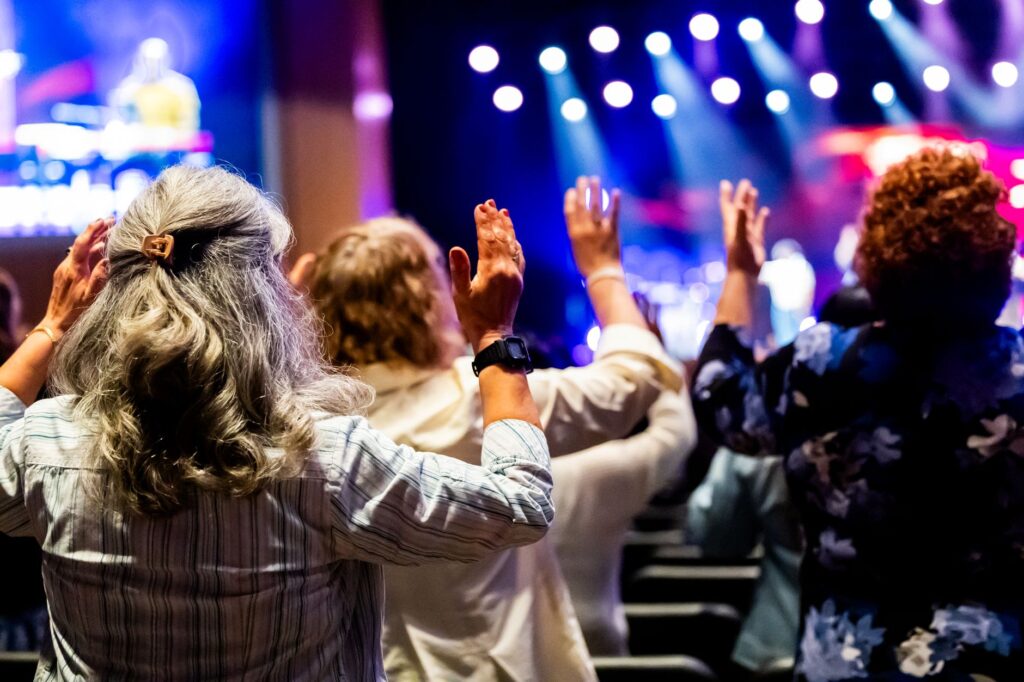
While Selah can be a personal invitation to pause, it also holds significance in a communal setting. In Colossians 3:16, Paul encourages believers to teach and admonish one another with all wisdom through psalms, hymns, and songs from the Spirit. When we gather for worship, the moments of Selah can unify us in reflection, allowing the congregation to collectively absorb the message of the Scripture.
Additionally, Selah reminds us of the importance of communal silence and reflection during worship. This practice can foster deeper connections among believers, as we share a space of stillness before God together. It encourages us to consider how the truths we sing apply not only to our individual lives but to the body of Christ as a whole.
Encouraging One Another Through Selah
When experiencing Selah in community, it is vital to encourage one another in the practice of reflection. This can take many forms, including:
- Organizing group Bible studies that include time for silence and discussion on Scripture.
- Creating small groups focused on prayer and meditation.
- Incorporating moments of Selah during worship services to allow for reflection on the sermon or songs.
By fostering environments where Selah is embraced, we can help each other grow in faith and understanding of God’s word. As we reflect together, we deepen our relationships and our collective experience of God’s truth.
The Historical Context of Selah
Understanding Selah’s Origin
The term Selah appears predominantly in the Psalms but has roots that stretch back to the practices of ancient Israel. Scholars have debated its exact meaning, but many agree that it likely signifies a musical or liturgical pause. This historical context enriches our understanding of its use in worship, as seen in the Psalms composed to be sung or recited during communal gatherings.
In Psalm 3:4, the psalmist reflects on calling to the LORD and receiving an answer. The inclusion of Selah suggests a moment of pause, allowing the people to consider the significance of God’s response. This practice was not only artistic but also a vital part of communal worship, emphasizing the need for reflection on God’s faithfulness and strength.
Selah in the Lives of Believers Throughout History
Throughout Christian history, the concept of Selah has been embraced by various figures who understood the importance of contemplation and reflection in their spiritual journeys. Figures such as Martin Luther and John Calvin emphasized the need for pauses in worship and study to allow for deeper understanding of Scripture.
- Martin Luther often encouraged believers to meditate on Scripture.
- John Calvin spoke of the importance of silence in prayer and worship.
- Many early church fathers wrote extensively about the virtue of contemplation.
These historical insights remind us that the practice of Selah is not a modern invention but a time-honored tradition that has helped believers throughout the ages to deepen their relationship with God and His word. By recognizing Selah’s historical significance, we can appreciate its enduring relevance in our spiritual practices today.
Frequently Asked Questions
What is the significance of Selah in the Bible?
Selah is often seen as a marker for pause, reflection, or worship within the text of Psalms. It invites readers to take a moment to consider the meaning of the preceding verses.
Can Selah be applied outside the context of Psalms?
While Selah is primarily found in the Psalms, the concept of pausing for reflection and meditation can be applied to other parts of Scripture and our daily lives as well.
Is there a specific way to practice Selah in prayer?
Yes, you can practice Selah in prayer by taking intentional moments of silence to reflect on your prayers, listen for God’s voice, and express your thoughts and feelings to Him.
How can Selah enhance my personal devotional time?
Incorporating Selah into your devotional time allows for moments of reflection, deepening your understanding of Scripture and enhancing your relationship with God.
The Bottom Line
Understanding the Selah Bible verse is essential for deepening our spiritual lives. It serves as an invitation to pause, reflect, and engage with God more profoundly. By incorporating Selah into our worship, prayer, and personal devotion, we can experience a richer relationship with our Creator and gain a deeper understanding of His Word.
Keep reading
More Bible Verses by Topic →



Weekly encouragement
Grow in the Word, one email at a time.
Free Bible study guides, prayer help and a verse to carry through your week. No spam, unsubscribe anytime.
Join the conversation