Short answer: Poverty is portrayed in the Bible as a curse linked to disobedience, particularly in Deuteronomy 28:15-68. Proverbs 13:4 also emphasizes laziness contributing to poverty. These verses highlight the consequences of turning away from God's guidance.
Poverty Is a Curse: Understanding the Biblical Perspective
Poverty has been an enduring issue throughout human history, affecting millions around the globe. It brings with it not just financial strain, but also emotional and spiritual challenges. Within the pages of the Bible, we find profound insights on the impact of poverty, revealing that it can indeed be seen as a curse. This blog will explore what the Scriptures say about poverty, how it connects to blessings and curses, and how we can respond to this issue with compassion and understanding.
The Biblical Context of Poverty
When examining the Bible's stance on poverty, it's crucial to look at the broader context of blessings and curses as portrayed in the Scriptures.
Poverty as a Curse
Deuteronomy 28 and Covenant Blessings
Deuteronomy 28 highlights the blessings of obedience to God's commandments and the corresponding curses for disobedience. Within this chapter, verses 15-68 detail the dire consequences—including poverty—that can result from turning away from God.- Verse Highlight: "But it shall come to pass, if you do not obey the voice of the Lord your God… all these curses will come upon you and overtake you." (Deuteronomy 28:15, NKJV)
Proverbs on Poverty
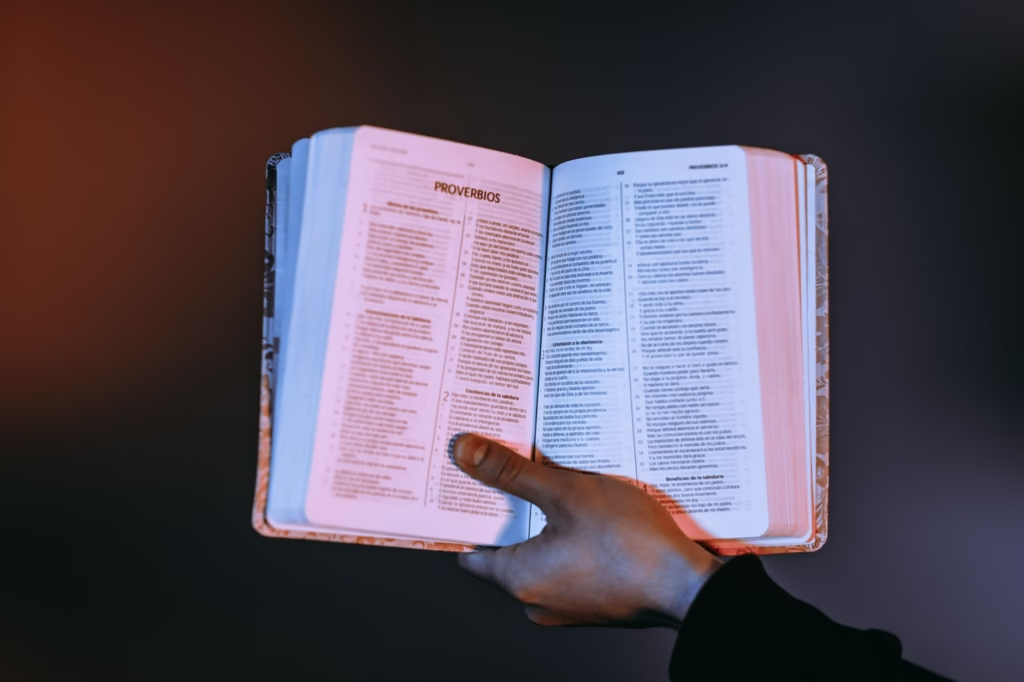
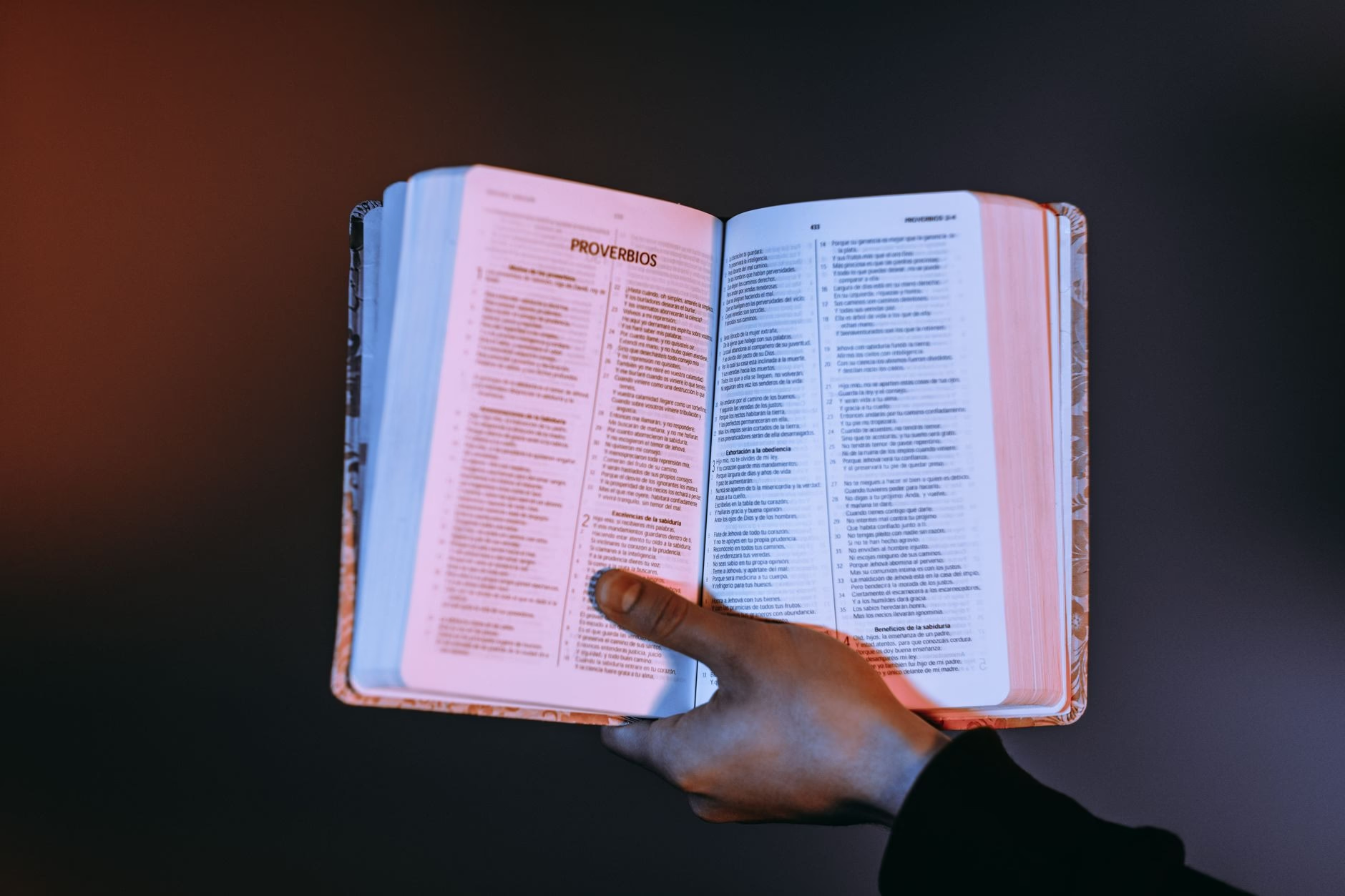
The Book of Proverbs offers wisdom on wealth and poverty. It often links a lack of resources to foolishness or a lack of diligence.- Example: "The soul of a lazy man desires, and has nothing; But the soul of the diligent shall be made rich." (Proverbs 13:4, NKJV)
Spiritual Implications
Beyond financial implications, poverty is often associated with spiritual barrenness. Think about the Beatitudes, where Jesus said, “Blessed are the poor in spirit, for theirs is the kingdom of heaven.” This speaks to a spiritual hunger rather than a physical condition of destitution.
How Poverty Manifests in Life
Different Facets of Poverty
Poverty is multifaceted and often manifests in various forms:
- Economic Poverty: Lack of financial resources for basic needs.
- Social Poverty: Isolation and lack of community support.
- Emotional Poverty: Feelings of helplessness and despair.
- Spiritual Poverty: A sense of disconnection from God and one's purpose.
The Ripple Effect
The effects of poverty extend beyond the individual, impacting families and communities:
- Health Issues: Poor nutrition and lack of healthcare.
- Education Barriers: Limited access to quality education for children.
- Increased Crime Rates: Environments of desperation can breed crime and instability.
The Call to Action
Embracing Compassion
As believers, we are called to respond to poverty with empathy and action. Here are some practical ways to extend help:
- Volunteer Time: Get involved in local charities or community outreach programs.
- Advocate for Policy Change: Support policies that aim to alleviate poverty.
- Donate Resources: Give to organizations that focus on poverty-related issues.
Spiritual Guidance
In addition to practical help, spiritual guidance is crucial in addressing the heart of poverty:
- Prayer: Seek God's intervention in the lives of those affected by poverty.
- Bible Study: Engage in Scripture that speaks to God’s desire for justice and mercy.
- Community Support: Build networks to support one another in times of need.
Conclusion: The Power of Hope
Poverty may be a curse, but it is not an insurmountable one. The Bible teaches that while poverty can result from disobedience and neglect, it’s vital to remember the potential for restoration and redemption. Recognizing the issue allows us to engage with it more deeply, both spiritually and practically. By extending compassion and understanding, we can actively work toward breaking the cycle of poverty in our communities.
As we navigate the complexities of poverty, may we be reminded that every act of kindness, every prayer offered, and every effort made can lead to significant change in the lives of those who suffer under the weight of this curse. Together, let us be the hands and feet of hope in a world that desperately needs it.
Key Takeaways
- Poverty is often viewed as a curse for disobedience to God.
- Proverbs links diligence with wealth and laziness with poverty.
- Poverty affects individuals socially, emotionally, and spiritually.
- Believers are called to respond to poverty with compassion.
Responding to Poverty with Compassion
Engage in local outreach programs and support policies aimed at alleviating poverty. Every act of kindness can make a difference in someone's life.
Frequently Asked Questions
What does Deuteronomy say about poverty?
Deuteronomy 28 outlines the consequences of disobedience, including poverty as a curse that overtakes those who turn away from God's commands.
How does Proverbs relate to poverty?
The Book of Proverbs often ties poverty to laziness, exemplified in Proverbs 13:4, which states that diligence can lead to wealth.
Can poverty have spiritual implications?
Yes, poverty can reflect spiritual barrenness, as indicated in spiritual teachings like the Beatitudes which speak to being 'poor in spirit.'
What practical steps can believers take to address poverty?
Believers can volunteer, advocate for policy changes, and donate resources to support those affected by poverty.
The Bottom Line
While poverty is often viewed as a curse, the Bible provides hope through restoration and compassion. Let us strive to support those in need, extending love and understanding to break the cycle of poverty.