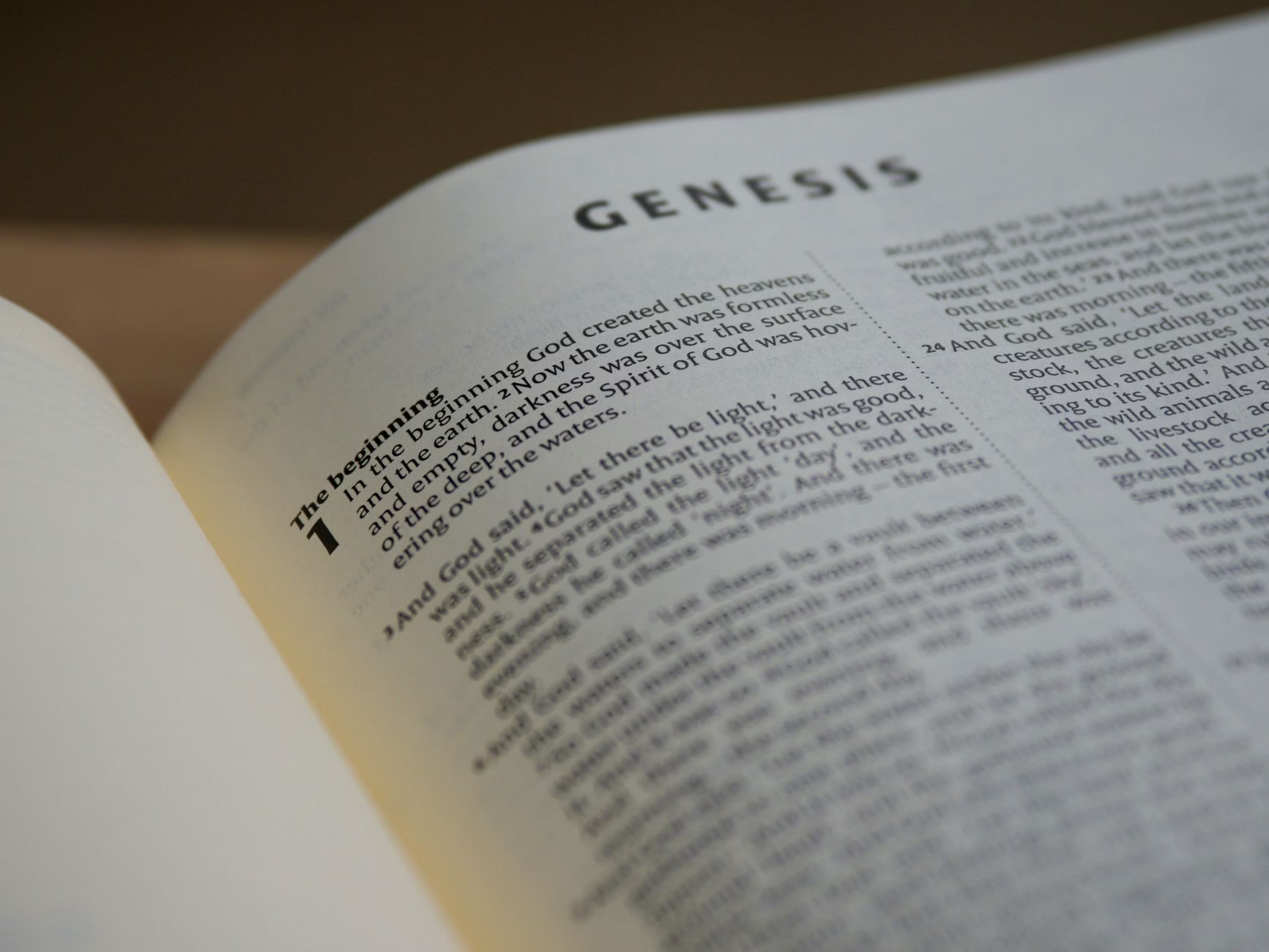
The belief that life begins at conception is a profound declaration that intertwines faith, morality, and ethics. For many, this notion is often supported by various biblical scriptures, particularly within the King James Version (KJV) of the Bible. In this blog post, we will explore the theological underpinnings of this belief, examine pertinent verses, and discuss their implications on moral and ethical discussions surrounding the sanctity of life.
understanding-the-concept-of-life-at-conception">Understanding the Concept of Life at Conception
The assertion that life begins at conception goes beyond mere biological definitions; it delves into the spiritual essence assigned to human life in Christian theology. According to the Bible, every life is deemed sacred and bears the image of God.
Biblical Perspective on Life
- Creation and Passage of Time:
- The Book of Genesis provides foundational insights into God’s creation of humanity.
- Genesis 1:26-27 (KJV) states, “And God said, Let us make man in our image, after our likeness: and let them have dominion…” This verse underscores the divine intention behind human life from its very beginnings.
- Conception and Personhood:
- The Bible often speaks of God’s involvement in conception, suggesting that each life is intricately planned and purposed.
- Psalms 139:13-16 (KJV) reflects this beautifully: “For thou hast possessed my reins: thou hast covered me in my mother’s womb. I will praise thee; for I am fearfully and wonderfully made…” Here, the psalmist acknowledges God’s active role before birth, showcasing the divine value of life even at the embryonic stage.
Notable Bible Verses Supporting Life at Conception
When discussing the notion that “life begins at conception” within the KJV context, a few key verses resonate strongly:
Jeremiah 1:5
“Before I formed thee in the belly I knew thee; and before thou camest forth out of the womb I sanctified thee…”
Related Posts:

- This verse emphasizes the idea that God’s knowledge and purpose for each life precede physical existence.
- It conveys that God has a unique plan for individuals even before they are conceived, reinforcing the sanctity of unborn life.
Exodus 20:13
“Thou shalt not kill.”
- A direct commandment that implies the value and protection of life.
- This instruction extends to all stages of life, including those in the womb.
Luke 1:41-44
“And it came to pass, that, when Elisabeth heard the salutation of Mary, the babe leaped in her womb…”
- This passage refers to unborn John the Baptist recognizing Jesus while still in their mothers’ wombs.
- This recognition is often interpreted as evidence of personhood and the significance of unborn children in biblical doctrine.
Theological Implications and Ethical Considerations
The belief that life begins at conception undoubtedly influences myriad theological and ethical discussions, particularly concerning abortion, reproductive rights, and the treatment of unborn children.
Moral Responsibility
- Christians who hold to the belief that life begins at conception often approach discussions surrounding reproductive rights from a moral standpoint, emphasizing the responsibility to protect the sanctity of all human life.
Social and Political Impact
- This belief shapes policies and laws in various jurisdictions, reflecting the moral convictions of many communities.
- Advocates for life often engage in activism and lobbying efforts to promote legislation that safeguards unborn lives.
Conclusion: Embracing the Value of Life
The understanding that life begins at conception, supported by Scripture, has profound implications on how individuals and societies view human dignity. Bible verses from the KJV speak to the intricate design and purpose of life from its very inception, calling for reverence and protection for the unborn.
As society grapples with ethical dilemmas related to life and autonomy, engaging with these biblical principles serves to guide thoughtful discussions and compassionate actions. For believers, this perspective is not merely a theological stance but a life-affirming commitment to uphold and celebrate the sanctity of every human life—from conception to natural death.
In a world filled with challenges and contentious debates regarding life, turning to the Scriptures can provide clarity and encouragement, reminding us that every life is precious and known by God.