understanding-the-significance-of-jesus-died-on-the-cross-biblical-insights-from-the-kjv">Understanding the Significance of “Jesus Died on the Cross”: Biblical Insights from the KJV
The story of Jesus Christ's crucifixion is the cornerstone of Christian theology, reflecting themes of sacrifice, redemption, and divine love. For many, the phrase "Jesus died on the cross" encapsulates the essence of Christianity. The King James Version (KJV) of the Bible, with its historical and linguistic significance, provides a profound glimpse into this pivotal event. Let’s delve into the biblical verses that narrate the crucifixion and explore their meaning and impact on Christian beliefs.
The Crucifixion Story in the King James Version
The Biblical Account
The crucifixion of Jesus is chronicled in all four Gospels—Matthew, Mark, Luke, and John—each providing a unique perspective. Here are key verses from the KJV that detail this event:
- Matthew 27:35: "And they crucified him, and parted his garments, casting lots: that it might be fulfilled which was spoken by the prophet, They parted my garments among them, and upon my vesture did they cast lots."
- Luke 23:46: "And when Jesus had cried with a loud voice, he said, Father, into thy hands I commend my spirit: and having said thus, he gave up the ghost."
- John 19:30: "When Jesus therefore had received the vinegar, he said, It is finished: and he bowed his head, and gave up the ghost."
These passages highlight not just the physical aspect of Jesus’ death, but also the spiritual and prophetic significance that fulfilled centuries-old predictions.
Context and Cultural Setting
To fully appreciate the depth of these verses, it’s essential to understand the historical and cultural context:
Related Posts:

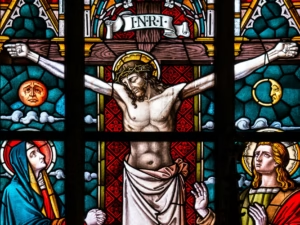


- Roman Execution Method: Crucifixion was a brutal execution method used by the Romans, intended to be a deterrent. It was known for its excruciating pain and public humiliation.
- Jewish Prophecies: Jesus’s death on the cross fulfilled numerous Old Testament prophecies, exemplifying the Jewish expectations of a Messiah who would suffer and be sacrificed for humanity's sins.
Theological Reflections
The Symbol of Sacrifice and Redemption
Jesus’s crucifixion is more than a historical event; it’s a profound theological symbol:
- Atonement: His death is viewed as the ultimate sacrifice that atones for human sins, offering believers reconciliation with God.
- Love and Grace: This act underscores the depth of God’s love and grace, opening the path to eternal life for all who believe.
scripture">Fulfillment of Scripture
The KJV underscores the fulfillment of Old Testament scriptures, affirming the continuity and reliability of biblical prophecy. References to:
- Psalms 22: This psalm, which foretells details of the suffering servant, aligns closely with the New Testament crucifixion account.
- Isaiah 53: Often called the “Suffering Servant” passage, it predicts the Messiah’s sacrificial death, vividly embodied in the crucifixion narrative.
Modern Implications and Reflections
Impact on Christian Practices
The crucifixion scene is central to Christian rites and worship, influencing practices such as:
- Communion: Also known as the Eucharist, which commemorates Jesus's body and blood.
- Good Friday: Observed to remember the day of Jesus's crucifixion, offering time for reflection on his sacrificial death.
Personal Spiritual Reflection
For believers, reflecting on Jesus’s death:
- Encourages Deep Faith: The sacrifice encourages a deeper relationship with Christ, rooted in gratitude and love.
- Promotes Moral and Ethical Living: Followers are inspired to live by Jesus’s teachings, emphasizing love, compassion, and forgiveness.
Conclusion
The declaration "Jesus died on the cross" is more than an historical assertion; it is a theological proclamation carrying profound implications for faith and practice. The King James Version of the Bible, with its poetic and enduring language, offers a vivid portrayal that continues to inspire and guide millions today. As we reflect on these scriptures, may we deepen our understanding and appreciation of this cornerstone of Christian faith, translating its lessons into daily acts of love and service.