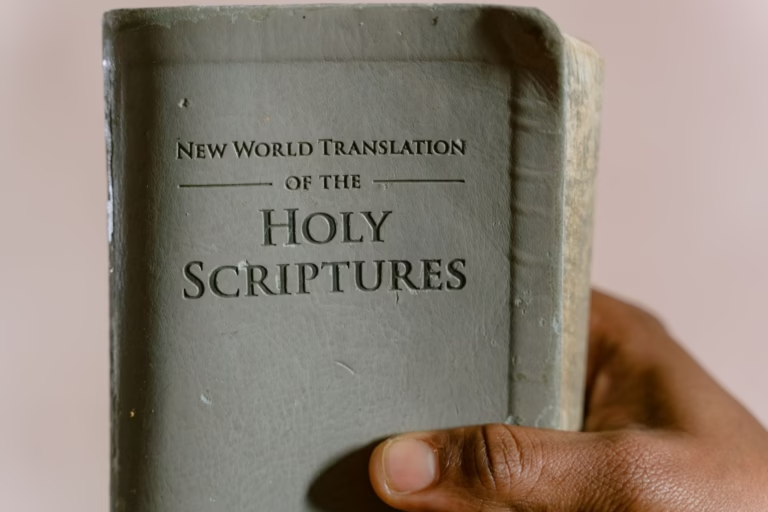
In a world often filled with challenges and struggles, cultivating a mindset of gratitude can transform our perspective and enhance our spiritual growth. The Bible is rich with wisdom that encourages believers to embrace gratitude as a core aspect of their faith. A grateful heart not only honors God but also enriches our lives, reminding us of His sufficiency in all circumstances. This post will explore several practical ways to nurture a mindset of gratitude, all grounded in scripture.
Recognize the Goodness of God
To cultivate gratitude, we must first acknowledge the goodness of God in our lives. Scripture tells us in Psalm 107:1, “Give thanks to the LORD, for he is good; his love endures forever.” This verse not only prompts us to express thanks but emphasizes God’s unchanging nature as good and loving. Reflecting on the consistent goodness of God encourages us to see His hand in our daily lives, fostering a heart of gratitude.
As we recognize God’s goodness, we are reminded that gratitude is not contingent upon our circumstances but rather on our understanding of who God is. James 1:17 states, “Every good and perfect gift is from above, coming down from the Father of the heavenly lights.” When we view our lives through the lens of God’s goodness, we naturally become more grateful for the gifts He has given us, whether they be large or small.
Practice Daily Thankfulness
One effective way to develop a grateful mindset is to practice daily thankfulness. This can be as simple as taking a few minutes each day to write down the things we appreciate in our lives. In 1 Thessalonians 5:16-18, we are instructed to “Rejoice always, pray continually, give thanks in all circumstances; for this is God’s will for you in Christ Jesus.”
This passage highlights the importance of making gratitude a daily habit. By intentionally choosing to thank God every day, we begin to shift our focus from our problems to the blessings that surround us. This practice not only strengthens our relationship with God but also helps us to see His hand at work in even the most mundane aspects of our lives.
Shift Your Perspective
Another vital aspect of cultivating gratitude involves shifting our perspective, especially during hard times. Philippians 4:11-13 reminds us of the power of contentment: “I have learned to be content whatever the circumstances. I know what it is to be in need, and I know what it is to have plenty. I have learned the secret of being content in any and every situation.”
Paul’s ability to remain thankful in all situations serves as a powerful example. Even when facing trials, he found reasons to be grateful. When we genuinely trust God’s plan for our lives, we can find gratitude even amidst struggle. Practicing gratitude during hardships, such as through prayer or journaling, allows us to focus on the lessons learned or the strength gained, fostering a deeper trust in Christ.
Engage in Community Gratitude
Gratitude is often amplified in community. Hebrews 10:24-25 encourages us, “And let us consider how we may spur one another on toward love and good deeds, not giving up meeting together, as some are in the habit of doing, but encouraging one another.” Engaging with fellow believers allows us to share what we are thankful for and inspires gratitude in others.
By sharing stories of God’s faithfulness and blessings within our communities, we reinforce our own gratitude while encouraging others to take notice of God’s work in their lives. Furthermore, creating opportunities for collective thanksgiving, such as prayer gatherings or sharing during group meetings, can strengthen our community bonds and promote a grateful heart among all members.
Contemplate God’s Blessings
Taking time to reflect on God’s blessings is an essential practice for cultivating gratitude. Psalm 103:2 commands us, “Praise the LORD, my soul, and forget not all his benefits.” Regular contemplation on the blessings God has bestowed can lead to deeper appreciation and gratitude. This practice might include setting aside time for prayerful reflection or meditation, allowing space to hear God and acknowledge His past provisions.
Consider the blessings in your life, from health to relationships, from daily provisions to spiritual growth. Each of these gifts reflects God’s love and faithfulness. The more we focus on what God has done in our lives, the more reasons we have to be thankful.
Gratitude in Prayer
Incorporating gratitude into our prayers is another powerful way to cultivate a grateful mindset. Colossians 4:2 urges us, “Devote yourselves to prayer, being watchful and thankful.” Including thankfulness in our prayers aligns our hearts with God’s will and acknowledges His sovereignty and grace.
When we bring our requests to God, it can be easy to focus solely on our needs and worries. However, starting and ending our prayers with gratitude helps reshape our outlook. Thanking God for His past provisions can remind us of His capability to handle our present concerns and future needs.
Learn from the Attitude of Christ
Jesus himself exemplified a heart of gratitude throughout His ministry. One profound moment is captured in Luke 22:19, where during the Last Supper, He took bread, gave thanks, and broke it. This moment teaches us that even in the face of trials, Jesus expressed gratitude. Following His example encourages us to find reasons to be thankful, even amidst uncertainty and pain.
By looking to Jesus as our model, we can learn to express gratitude for the relationships we have, for the strength to endure challenges, and for the hope we possess through His resurrection. Emulating Christ’s attitude will naturally cultivate a heart aligned with gratitude.
Understand the Impact of Gratitude
Finally, we should recognize the impact that gratitude can have on our mental, emotional, and spiritual well-being. Numerous studies have validated the positive effects of gratitude on mental health, including reduced anxiety and improved mood. But it’s the Bible that first laid out these truths. Proverbs 17:22 tells us, “A cheerful heart is good medicine, but a crushed spirit dries up the bones.”
Through gratitude, we can combat negative emotions and replace them with joy and peace. Philippians 4:6-7 assures us: “Do not be anxious about anything, but in every situation, by prayer and petition, with thanksgiving, present your requests to God. And the peace of God, which transcends all understanding, will guard your hearts and your minds in Christ Jesus.” When we anchor our gratitude in prayer and faith, we experience the transformative peace that God promises.
Conclusion
As we endeavor to cultivate a mindset of gratitude, let us be encouraged by the richness of scripture that calls us to recognize God’s goodness, practice thankfulness, shift our perspectives, and engage with our communities. Each step we take in nurturing a grateful heart draws us closer to our Creator and enriches our daily lives.
May we commit to a lifestyle of gratitude, informed by the Word and empowered by the Holy Spirit, so we can truly reflect the light of Christ in a world that desperately needs it. Let gratitude be the rhythm of our hearts, echoing the goodness of God throughout every moment of our lives.
Related Reading
Key Takeaways
- Cultivating gratitude shifts our focus from problems to blessings.
- Daily practices, like journaling our thankfulness, can deepen our relationship with God.
- Engaging with community can amplify our gratitude and encourage others.
- Reflecting on God's past provisions helps reinforce a grateful mindset.
- Incorporating gratitude into prayer aligns our hearts with God's will.
Start a Gratitude Journal
Set aside a few minutes each day to write down three things you are thankful for. This practice can help train your mind to focus on the positive aspects of your life and cultivate a habit of gratitude.
Frequently Asked Questions
How often should I practice gratitude?
Aim to practice gratitude daily, as making it a habit can significantly shift your mindset over time.
Can gratitude really change my perspective?
Yes, cultivating gratitude can reshape your outlook by helping you focus on God's blessings rather than your challenges.
What are some ways to engage with my community for gratitude?
Consider organizing prayer gatherings or sharing sessions where members can express their thankfulness and encourage one another.
How can I incorporate gratitude into my prayers?
Start and end your prayers with thankfulness, acknowledging specific blessings before presenting your requests to God.
The Bottom Line
Embracing a mindset of gratitude not only honors God but also enriches our daily lives. By actively practicing gratitude, we can experience a profound transformation in our spiritual journey and relationships with others.