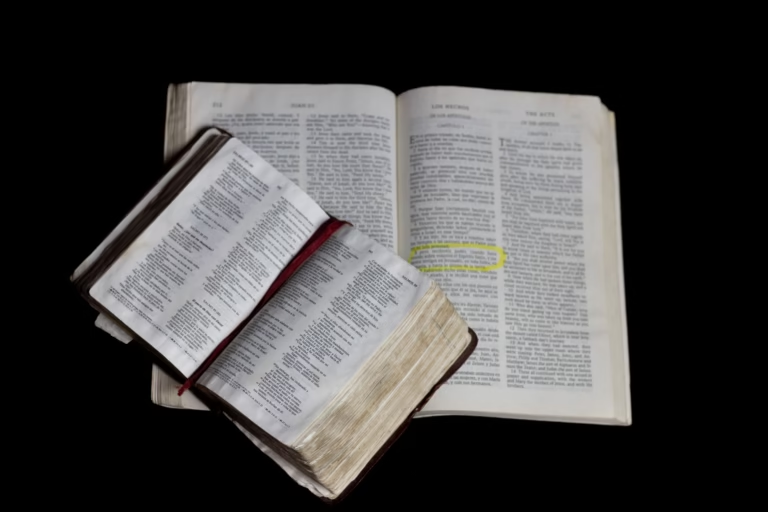
Short answer: For insight into God's punishment, consider Hebrews 12:6 and Proverbs 3:11-12, which emphasize that divine discipline is rooted in love and aims for our growth. These verses reveal that God's correction is a necessary part of our journey to spiritual maturity.
God Punishment Bible Verse: Understanding Divine Justice in the Scriptures
The concept of divine punishment is a significant theme woven throughout the Bible, ingrained in the discussions of morality, justice, and the human experience. Many find themselves grappling with the idea of God’s punishment—why it occurs, its purpose, and how it manifests in our lives today. In this blog post, we will explore various Bible verses that illustrate God’s punishment, the reasons behind divine justice, and its implications on faith and morality.
Understanding God’s Punishment
Before diving into specific verses, it’s crucial to understand what the Bible says about God’s punishment. Often perceived as a negative concept, divine punishment serves multiple purposes:
- Correction: It intends to guide individuals back to the right path.
- Justice: Reflects God's righteousness in addressing wrongdoings.
- Protection: Safeguards communities from harmful behaviors.
- Restoration: Aims for the redemption of sinners and the restoration of relationships.
Key Bible Verses on God’s Punishment
To comprehend the profound nature of God’s punishment, let’s look at several impactful verses:
1. Hebrews 12:6
“For the Lord disciplines the one he loves, and chastises every son whom he receives.”
In this verse, we learn that God’s punishment is rooted in love and care. Just like a parent disciplines a child to teach valuable life lessons, God’s correction aims to guide us toward spiritual maturity.
2. Proverbs 3:11-12
“My son, do not despise the Lord's discipline, and do not resent his rebuke, because the Lord disciplines those he loves, as a father the son he delights in.”
Similar to Hebrews, this passage highlights that divine punishment shouldn't be viewed negatively. It’s a sign of God’s love; He desires deep relationship and spiritual growth in His followers.
3. Galatians 6:7
“Do not be deceived: God is not mocked, for whatever one sows, that will he also reap.”
Here, the Bible explains a fundamental principle of divine justice. Our actions carry consequences—good or bad. God punishes not out of a desire for vengeance, but as a natural outcome of the choices we make.
4. Romans 1:18
“For the wrath of God is revealed from heaven against all ungodliness and unrighteousness of men, who by their unrighteousness suppress the truth.”
This verse elucidates that God’s punishment serves as a response to humanity's rebellion against divine truth. His frustration underscores the immense value He places on integrity and righteousness.
5. 2 Thessalonians 1:6
“Since indeed God considers it just to repay with affliction those who afflict you…”
This verse speaks to the idea of retributive justice. God’s punishment for wrongdoing serves to establish balance, ensuring that no unjust act goes unaddressed.
The Purpose Behind Punishment
Having explored key verses, let’s discuss the broader purpose behind God's punishment:
Correction for Growth
Divine punishment is not simply about retribution; it’s fundamentally about correction. Here are ways God’s punishment fosters growth:
- Strengthening Faith: Adversity often drives individuals to seek God more fervently, strengthening their faith.
- Building Character: Through discipline, believers learn patience, resilience, and forgiveness.
- Enhancing Community Relationships: When individuals are held accountable, it positively affects relationships within their broader community.
Call to Repentance
Punishment often serves as a wake-up call, urging individuals to reflect and turn back to God. The Bible frequently illustrates how times of hardship prompt repentance, leading to God’s restoration.
Balancing Justice and Mercy
God’s nature encompasses both justice and mercy. His discipline can ultimately lead to restoration, demonstrating the delicate balance between His holiness and loving kindness.
Conclusion: Embracing Divine Punishment
Understanding God’s punishment through the lens of the Bible reveals its complex and multi-faceted nature. While divine punishment might seem severe at times, it is ultimately an expression of God's profound love and desire for our growth and relationship with Him.
As believers, embracing divine punishment can lead to valuable learning experiences that shape character, deepen faith, and promote community harmony. Remember, every instance of correction carries a chance for redemption.
Next time you reflect on these Biblical truths, consider not just the punishment but the opportunities for growth and love that come with it. God’s ways are higher, and His plans for us are indeed good—even in discipline.
By understanding these elements of God’s punishment through scripture, individuals can cultivate a stronger relationship with their faith and find reassurance in the justice of God, recognizing His unwavering love at the core of such discipline.
Key Takeaways
- Divine punishment is rooted in God's love and care.
- It serves correction, justice, protection, and restoration.
- Our actions have consequences, as expressed in Galatians 6:7.
- God's discipline aims to strengthen our faith and relationships.
Reflect on Divine Discipline
Embrace the lessons from God's discipline as opportunities for spiritual growth. Use hardships to strengthen your faith and seek closer ties with God.
Frequently Asked Questions
What is the purpose of God’s punishment?
The purpose of God’s punishment is correction, justice, and restoration, meant to guide us back to the right path.
How can I interpret God’s punishment in my life?
Interpret God’s punishment as a loving discipline intended to foster spiritual maturity and growth in your relationship with Him.
Are there examples of divine punishment in the Bible?
Yes, verses like Romans 1:18 and 2 Thessalonians 1:6 illustrate God's response to ungodliness and retribution for wrongdoing.
How should I respond to God’s punishment?
Respond to God’s punishment with reflection and repentance, seeing it as an opportunity to grow closer to Him and improve your character.
The Bottom Line
Understanding God's punishment helps us appreciate His deep love and desire for our growth. Embracing His discipline allows us to learn and mature in our faith. Remember, there is always hope for restoration in our relationship with Him.