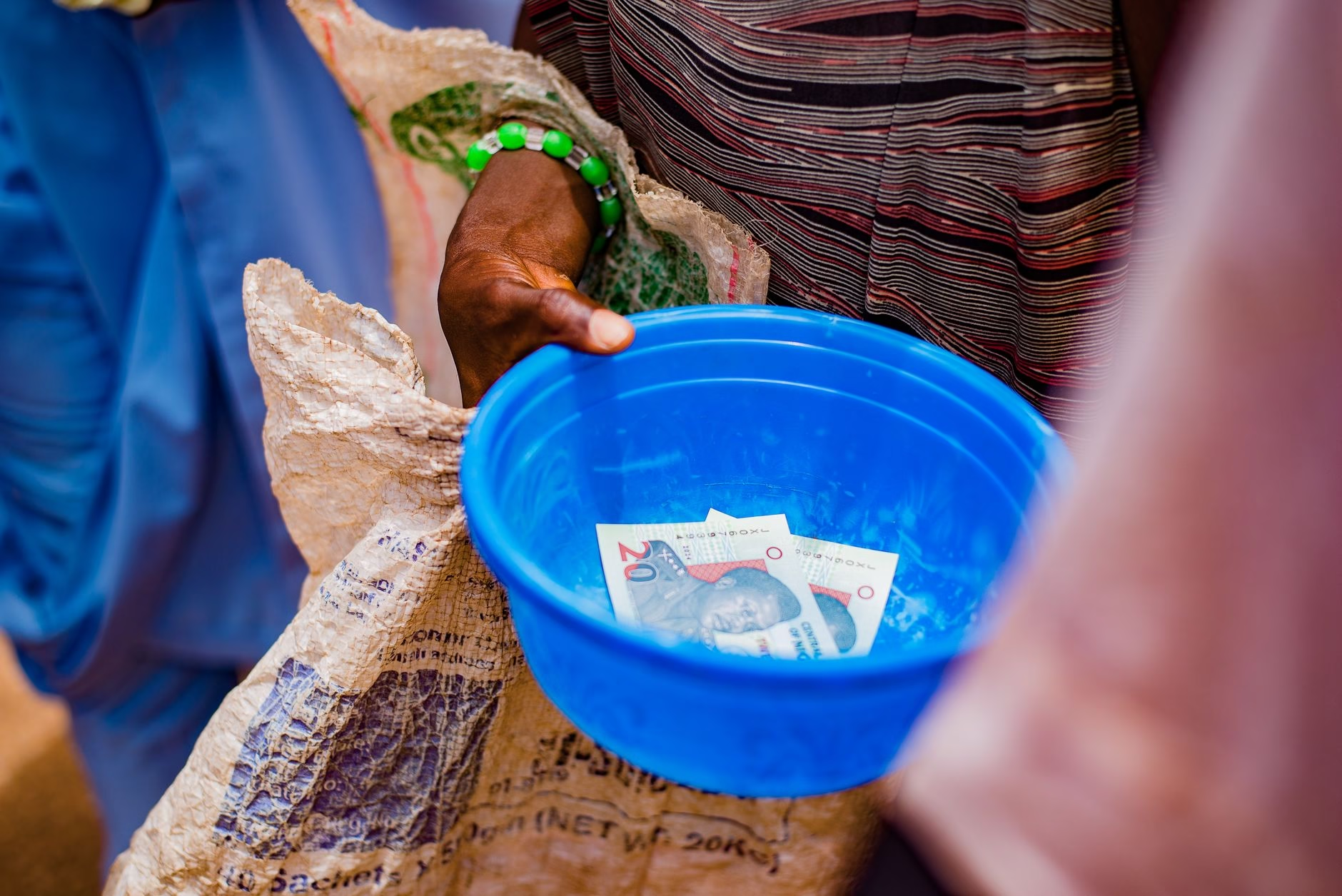
Financial Help and Support: Navigating Your Path to Stability
In today’s complex economic landscape, financial challenges can arise for anyone at any time. Whether you’re dealing with an unexpected expense, aiming to climb out of debt, or simply seeking ways to optimize your finances, understanding where to find financial help and support is essential. In this blog post, we’ll explore various avenues and resources that can assist you in achieving financial stability.
Understanding Your Financial Needs
Before seeking financial help and support, it’s crucial to assess your current financial situation accurately. This will help you identify the type of assistance you need.
- Evaluate Your Income and Expenses: Begin by listing all your sources of income and categorizing your expenses. This will help you see where your money goes and expose areas where you can cut back.
- Identify Debt: Create a list of all debts, including interest rates and monthly payments. This transparency will guide you in crafting a plan to tackle your liabilities.
- Set Financial Goals: Establish short-term and long-term financial goals. These could include saving for emergencies, paying off credit cards, or planning for retirement.
Types of Financial Help and Where to Find Them
Understanding the different types of financial help available can make a significant difference in your financial journey.
Government Assistance Programs
Government programs are designed to provide financial relief and help individuals regain their footing.
- Unemployment Benefits: If you’ve lost your job, apply for unemployment insurance as soon as possible to aid your transition.
- Food Assistance: Programs like the Supplemental Nutrition Assistance Program (SNAP) can help cover food costs for low-income individuals and families.
- Rental Assistance: Explore programs that offer rental assistance to prevent evictions and homelessness.
Nonprofit Organizations and Charities
Numerous nonprofits and charities work tirelessly to offer financial support to those in need.
- Local Community Resources: Most communities have local charities that provide emergency assistance with utilities, food, and housing.
- Financial Counseling Services: Organizations like the National Foundation for Credit Counseling (NFCC) offer free or low-cost financial advice to help manage your finances better.
Financial Institutions and Loan Options
Sometimes, a structured loan might be necessary to manage financial hardships effectively.
- Personal Loans: Credit unions or banks often offer personal loans with reasonable interest rates, which can be a viable option if used responsibly.
- Micro-lending Platforms: Websites like LendingClub or Prosper offer peer-to-peer loans for individuals seeking small amounts of finance with fair terms.
How to Improve Your Financial Literacy
Improving your financial literacy is a solid investment in your future, ensuring you make informed decisions about managing and growing your wealth.
- Attend Workshops and Seminars: Many organizations offer free financial education workshops. These sessions can cover topics ranging from budgeting to investing.
- Online Courses and Resources: Websites like Coursera and Khan Academy provide courses on personal finance fundamentals at no cost.
- Read Financial Books and Blogs: Books such as “Rich Dad Poor Dad” by Robert Kiyosaki or blogs like The Simple Dollar provide insights into financial principles and practical tips.
Creating a Sustainable Financial Plan
Once you’ve identified the necessary resources and increased your financial literacy, it’s time to create a sustainable financial plan:
- Budgeting: Develop a monthly budget that reflects your income, expenses, and savings goals. Use tools like Mint or YNAB to track spending.
- Emergency Fund: Strive to save a portion of your income into an emergency fund that covers at least 3-6 months of living expenses.
- Debt Management Strategy: Consider the avalanche or snowball method to pay down debt effectively and strategically.
Conclusion
Navigating financial difficulties can be daunting, yet numerous resources and support systems are available to aid you on your journey. By understanding your financial situation, leveraging available aid programs, and enhancing your personal finance knowledge, you set a robust foundation for achieving economic stability and independence. Remember, seeking help is a sign of strength; it is your first step toward building a secure financial future.