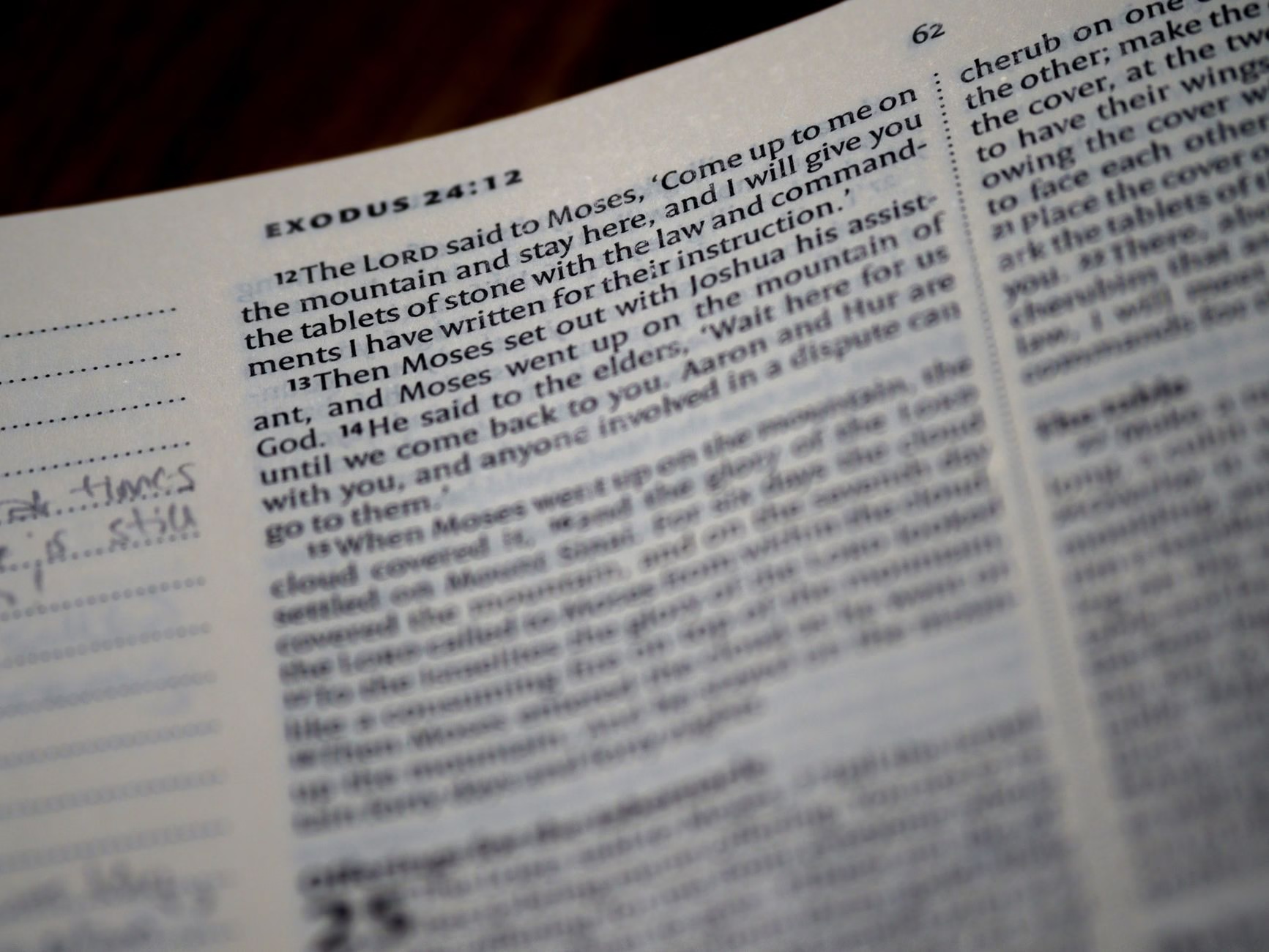
Short answer: The name Emma, while not mentioned in the Bible, relates to themes of wholeness and universality found in scripture. Key verses include Colossians 2:10, which highlights our completeness in Christ, and Ephesians 4:13, which calls for unity among believers.
Emma Bible Verse: Exploring the Connection Between Names and Scriptures
In the realm of biblical studies, names carry significant weight, often embodying deep meanings and profound narratives. The name Emma, while not explicitly mentioned in the scriptures, resonates with a biblical essence and provides an intriguing way to explore the connection between names and the timeless teachings found within the Bible. As we unravel the tapestry of spiritual significance that the name Emma evokes, we will explore its etymological roots, related biblical analogies, and how it inspires modern-day reflection.
The Etymology of the Name Emma
Before diving into any biblical connections, let’s first understand the origins of the name Emma. Derived from the Germanic word "ermen," meaning "whole" or "universal," Emma carries connotations of completeness and universality. This name has been a popular choice for generations, transcending geographic and cultural boundaries.
Popularity and Historical Context
- Middle Ages: Emma has long been a cherished name, especially in European culture during the Middle Ages.
- Modern Times: Its simplicity and profound meaning have maintained its popularity, making it a favored choice for many parents today.
Biblical Analogies Associated with Emma
While the Bible does not explicitly mention anyone named Emma, the thematic elements associated with the name open doorways to biblical stories and verses that echo similar sentiments of wholeness, universality, and nurturing.
The Virtue of Wholeness
In biblical terms, wholeness is often associated with integrity and righteousness. The notion of being whole aligns with the teachings found in scriptures that emphasize being complete in faith and love.
- Colossians 2:10: "And you have been filled in him, who is the head of all rule and authority." This verse underscores the completeness we find in spirituality.
Universality and Unity
The spirit of universality links seamlessly with biblical calls for unity among believers, transcending divisions and fostering communal harmony.
- Ephesians 4:13: "Until we all reach unity in the faith and in the knowledge of the Son of God and become mature, attaining to the whole measure of the fullness of Christ." This passage champions a unity that mirrors the universal aspect of the name Emma.
Reflective Lessons from Emma
Using Emma as a lens, we can uncover spiritual insights that resonate with our personal and communal lives.
Embracing Spiritual Wholeness
- Personal Growth: Just as Emma signifies completeness, seeking spiritual growth emphasizes becoming whole in our faith journey.
- Community Building: Encouraging actions that nurture communal bonds evokes the universal spirit captured by the name.
Practical Application
- Daily Reflection: Incorporate moments of reflection to assess how one can embrace wholeness in daily life, using scriptures like Colossians 2:10 as guidance.
- Acts of Unity: Participate in community activities that foster inclusivity, echoing the universal principles seen in biblical teachings.
Conclusion: A Name with Timeless Resonance
The exploration of the name Emma, although absent from the pages of the Bible, opens our eyes to the thematic richness found in biblical teachings. Through its representation of wholeness and universality, Emma serves as a bridge, connecting us to scriptures that inspire completeness and unity. Embracing these principles allows us to not only understand our place within the divine tapestry but also to inspire others along the way. As we ponder on the significance of names, let us remember the deeper spiritual implications they carry and the lessons they impart for living a more unified and fulfilling life.
Key Takeaways
- The name Emma means wholeness and universality.
- Although not found in the Bible, its themes are prevalent in scripture.
- Colossians 2:10 speaks of being complete in Christ.
- Ephesians 4:13 emphasizes unity among believers.
Practical Reflection
Incorporate daily moments of reflection to grow in spiritual wholeness. Engage in community-building activities that promote unity, echoing biblical teachings.
Frequently Asked Questions
What does the name Emma mean?
Emma is derived from the Germanic word 'ermen,' meaning 'whole' or 'universal,' signifying completeness.
Are there any Bible verses that relate to the themes of the name Emma?
Yes, Colossians 2:10 speaks about completeness in Christ, while Ephesians 4:13 encourages unity in faith, resonating with the essence of Emma.
How can I apply the themes of wholeness and unity in my life?
You can embrace spiritual wholeness by reflecting on your faith journey and participating in community activities that foster unity and inclusivity.
Why are names important in the Bible?
Names in the Bible often reflect character, purpose, or divine attributes, providing deeper insights into the narrative and spiritual lessons.
The Bottom Line
Names carry more than just identification; they can inspire and connect us to larger spiritual truths. The exploration of Emma reminds us of our journey towards wholeness and unity in faith, enriching our lives and communities.