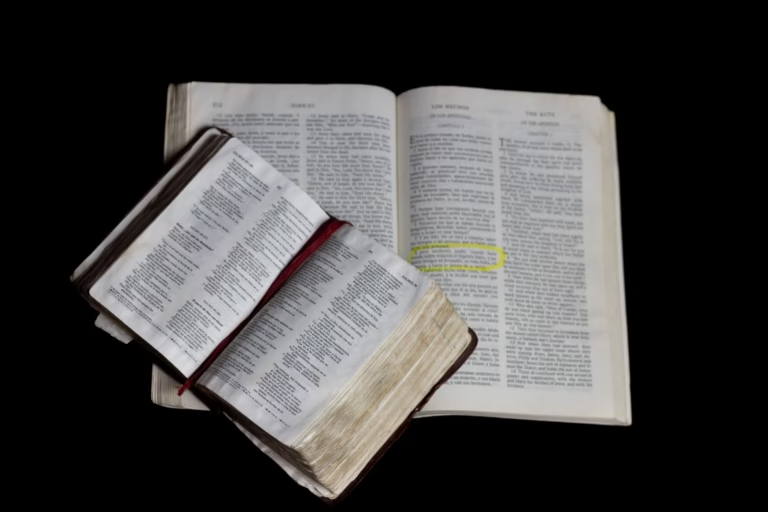
Short answer: The Bible advises drinking in moderation but warns against drunkenness. Key verses include Ephesians 5:18, which urges not to get drunk, and Proverbs 20:1, which cautions about the dangers of excessive drinking.
Drink But Don't Get Drunk: Understanding the Biblical Perspective
The Bible often serves as a moral compass for millions of people around the world, guiding them in their personal and communal lives. When it comes to alcohol consumption, many people turn to the Scriptures for guidance. The phrase "drink but don't get drunk" encapsulates a key principle found in the Bible. But what do these words truly mean in the biblical context, and how can they apply to us today? In this blog post, we'll explore the relevant Bible verses and their implications for responsible living.
A Biblical Perspective on Alcohol
The Bible doesn't outright forbid the consumption of alcohol, but it does offer extensive guidance about its use. The overarching theme is that of moderation and self-control, which are virtues cherished throughout the Scriptures.
Wine as a Gift: Wine and other fermented beverages are often shown as blessings or gifts. For instance, Psalm 104:14-15 presents wine as something that "gladdens human hearts." This indicates that enjoying a drink has a place within God's creation.
Symbol of Joy and Celebration: In the New Testament, Jesus turned water into wine at the wedding in Cana (John 2:1-11), a miracle that underscores joy and celebration. This act suggests that alcohol, when consumed responsibly, can be part of joyous occasions.
The Dangers of Excess: Biblical Warnings
While the Bible acknowledges the positive aspects of alcohol, it also warns against excessive drinking and intoxication, which can lead to moral downfall and a breakdown in societal relationships.
Proverbs 20:1: "Wine is a mocker and beer a brawler; whoever is led astray by them is not wise." This verse highlights the risks of excessive drinking, suggesting that it can lead to mockery and conflict.
Ephesians 5:18: "Do not get drunk on wine, which leads to debauchery. Instead, be filled with the Spirit." This passage contrasts being under the influence of alcohol with being filled with the Holy Spirit, pushing believers to seek spiritual fulfillment rather than indulgence in earthly pleasures.
Consequences of Drunkenness: Drunkenness is often linked to negative outcomes in the Bible, such as in the story of Noah (Genesis 9:20-21) and the account of Lot’s daughters (Genesis 19:30-36). These stories serve to illustrate the potential perils of losing control due to excessive drinking.
The Principle of Moderation and Self-Control
In modern terms, these biblical teachings advocate for moderation and suggest that the excess is where danger lies. A balanced approach to consumption allows individuals to enjoy the benefits without succumbing to the risks.
Self-Control: Galatians 5:22-23 lists self-control as a fruit of the Spirit, integral to Christian living. Practicing self-control extends beyond alcohol and is a virtue that safeguards against various excesses.
Mindful Consumption: Adopting a mindful approach to drinking, akin to the “mindful eating” philosophy, can help individuals monitor their consumption and maintain a healthy balance.
Applying Biblical Principles Today
Although the Bible was written in a very different socio-cultural context, its lessons are timeless and can be wisely applied today. How, then, can one incorporate these teachings into everyday life?
Set Personal Boundaries: Determine your limits regarding alcohol. This could mean deciding in advance how much you'll drink at a social event or choosing to abstain completely.
Reflect on Motivations: Always question why you’re choosing to drink. Are you using alcohol to escape or numb feelings? If so, those are warning signs that need addressing.
Foster Accountability: Share your beliefs and intentions with trusted friends or family members who can support you in maintaining your approach to alcohol.
Conclusion: Embracing Balanced Living
In conclusion, the Biblical advice on alcohol encourages enjoying it responsibly and in moderation. It’s not about a prohibitive stance but rather a call to live balanced, self-controlled lives that honor God and others. As with many biblical teachings, the key lies in moderation and mindfulness, aligning personal choices with broader spiritual principles. By practicing these, we can ensure that our consumption of alcohol remains a cause for joyful community rather than personal or communal conflict.
In making these biblical principles a part of daily living, individuals not only adhere to a higher standard but also cultivate a lifestyle that is both fulfilling and inspiring to others. Here's to embracing a life of balance and intentional living!
Key Takeaways
- Moderation is key when consuming alcohol, as highlighted in the Bible.
- Excessive drinking can lead to negative consequences and moral pitfalls.
- Self-control is a vital virtue in all areas of life, including alcohol consumption.
- Reflecting on personal motivations can help maintain a healthy attitude towards drinking.
Practice Mindful Drinking
Consider setting clear limits for alcohol consumption before attending social events. Taking time to reflect on your reasons for drinking promotes self-awareness and better choices.
Frequently Asked Questions
What does the Bible say about drinking alcohol?
The Bible supports moderate drinking but warns against drunkenness, emphasizing self-control and the potential dangers of excess.
Is alcohol consumption a sin?
The Bible does not label alcohol consumption as a sin; instead, it encourages moderation and warns against drunkenness.
What are the consequences of drunkenness in the Bible?
The Bible presents various consequences of drunkenness, including moral failure and harmful behavior, as seen in stories like Noah and Lot.
How can I enjoy alcohol responsibly?
Setting personal boundaries, being mindful of motivations, and fostering accountability with friends can help enjoy alcohol responsibly.
The Bottom Line
Embracing moderation and self-control regarding alcohol can lead to a more balanced and joyful life. By following biblical wisdom, you can cultivate practices that enhance well-being and strengthen relationships.