Bible Verses About Children Being Blessings: Embracing the Gift of Family
Explore the Bible verses about children being blessings and discover how they encourage us in family and faith.

Key Takeaways
- Children are a heritage from the Lord.
- Parenting is a sacred responsibility.
- Scripture encourages us to nurture and teach children.
- Children bring joy and purpose to family life.
Children are one of life’s greatest blessings, a concept deeply rooted in Scripture. The Bible teaches us that children are not merely additions to our families but profound gifts from God. Their laughter, innocence, and potential bring joy and purpose to our lives. As we explore the Bible verses about children being blessings, we will discover how these truths can encourage us in our daily lives and parenting journeys.
The significance of children is emphasized throughout the Bible, reminding us to cherish them as valuable treasures. From the moment of conception to their formative years, Scripture outlines the blessings that children represent and the responsibilities that come with parenting. In this article, we will delve into specific verses that highlight the beauty of children, discuss their blessings, and offer practical ways to embrace these gifts in our lives.
As we reflect on the Bible’s teachings, we can find encouragement and guidance in nurturing our children’s spiritual growth and well-being. Let us turn to the Word of God to see how children are indeed blessings, shaping not only our families but also our communities and the world.
Children as a Gift from God
One of the most powerful verses about children being blessings is found in Psalm 127:3, which states, “Children are a heritage from the Lord, offspring a reward from him.” This verse encapsulates the view that children are not a burden or inconvenience, but rather a precious gift bestowed upon us by God. Recognizing children as a heritage means understanding that they are part of a divine plan, and they come with inherent value and purpose.
In biblical times, children were often seen as a sign of God’s favor. Families would celebrate the birth of a child, viewing it as a blessing that would continue their lineage and enhance their household. This perspective remains relevant today, as modern families can experience the same joy and fulfillment through the arrival of children. Each child is unique, crafted with care by the Creator, and filled with potential to impact the world.
Moreover, acknowledging children as gifts calls us to embrace our role as stewards of their lives. Just as we would cherish and protect any valuable possession, we must nurture and guide our children in a loving environment. This responsibility encompasses providing for their physical needs, emotional support, and spiritual guidance as they grow.
The Role of Parents
In Ephesians 6:4, the Apostle Paul instructs parents, “Fathers, do not exasperate your children; instead, bring them up in the training and instruction of the Lord.” This verse highlights the vital role parents play in shaping their children’s lives. The instruction to raise children in the knowledge of the Lord implies that our primary responsibility is to lead them toward a relationship with God.
Practically speaking, this means we must teach our children about the love of Christ, the importance of prayer, and the value of Scripture. Family devotions, discussions about faith, and encouraging involvement in church activities can foster a strong spiritual foundation. By prioritizing spiritual growth, we are equipping our children with the tools they need to navigate life’s challenges.
Additionally, the role of parents is not just about imparting knowledge; it is also about modeling Christ-like behavior. Children learn by observing their parents’ actions and attitudes. Therefore, demonstrating love, kindness, patience, and forgiveness in our interactions can profoundly influence their character development.
The Joy of Children
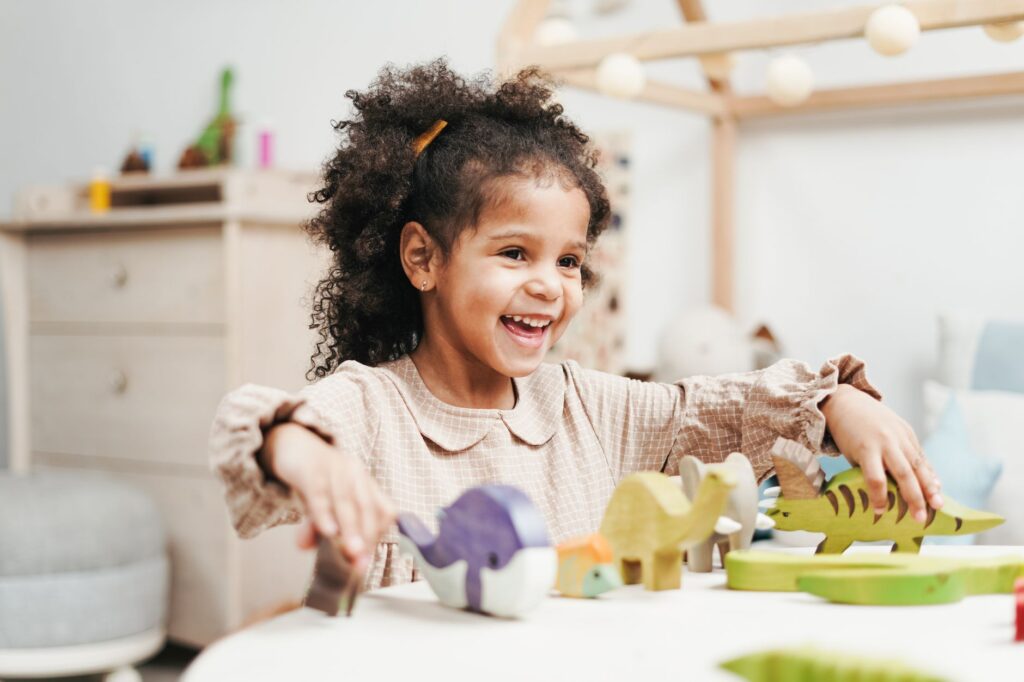
Children bring immense joy to our lives, and this joy is echoed in Scripture. Proverbs 17:6 states, “Children’s children are a crown to the aged, and parents are the pride of their children.” This verse illustrates the generational blessings that children provide, showcasing how they contribute to the broader tapestry of family life.
Every parent can relate to the moments of pure joy that children bring, whether it’s their laughter echoing through the house, their innocent questions about faith, or the simple pleasure of watching them discover the world. These moments serve as reminders of the beauty and wonder of life.
Beyond personal joy, children also have the potential to bless their communities. As they grow, children often carry the values and teachings instilled in them by their parents into the broader world. Their kindness, compassion, and integrity can positively impact those around them, demonstrating the fruits of a godly upbringing.
Real-Life Example
Consider the example of a family who dedicated time each week to volunteer in their local community. They involved their children in various service projects, from helping at a food bank to participating in neighborhood clean-up events. Through these experiences, the children learned the importance of giving back and developed a heart for service.
As they grew older, these children became known in their community for their kindness and willingness to help others. Their parents’ commitment to nurturing these values not only enriched their lives but also inspired others in the neighborhood to join in their efforts, creating a ripple effect of positivity and service.
Teaching Children About God’s Love
The Bible encourages us to teach our children about God’s love and truth. Deuteronomy 6:6-7 instructs us to impress God’s commandments on our children: “These commandments that I give you today are to be on your hearts. Impress them on your children. Talk about them when you sit at home and when you walk along the road, when you lie down and when you get up.” This guidance emphasizes the significance of integrating faith into everyday life.
When we talk about God’s love in our daily routines, we help our children not only understand biblical truths but also experience them personally. This could mean sharing stories of God’s faithfulness, praying together, or discussing how faith influences decisions and actions.
Furthermore, teaching children about God’s love helps them navigate challenges. In a world that can often feel overwhelming, knowing that they are loved unconditionally by their Creator provides a strong foundation for their identity and self-worth. This understanding empowers them to face difficulties with resilience and faith.
Encouraging Spiritual Growth
Encouraging spiritual growth in children requires intentionality. One effective method is to create a dedicated space for prayer and reflection. This could be a small corner in the home adorned with a Bible, devotional books, and a journal. Encouraging children to spend time in this space can foster a habit of seeking God.
Additionally, parents can engage their children in discussions about faith and spirituality. Asking open-ended questions about their feelings, thoughts, and experiences can lead to meaningful conversations. This not only strengthens their understanding of God but also builds trust and open communication.
Finally, involving children in church activities, whether through Sunday school, youth groups, or family ministry events, can provide them with a community of faith. Being surrounded by peers who share similar values reinforces their beliefs and encourages them to grow in their relationship with God.

The Impact of Children on Family Life
Families thrive on love, support, and connection, and children play a crucial role in fostering these characteristics. Psalm 128:3 says, “Your wife will be like a fruitful vine within your house; your children will be like olive shoots around your table.” This imagery not only signifies the nourishment children bring but also highlights the importance of family unity.
Children can serve as a catalyst for strengthening family bonds. Family activities, celebrations, and shared experiences create lasting memories that enrich relationships. By prioritizing quality time together, families can cultivate a deep sense of belonging and love.
Moreover, children often encourage parents to grow in their own faith and character. The responsibility of raising children can lead parents to seek God more earnestly, modeling a life of faith for their children. In this way, parenting becomes a journey of mutual growth and learning.
Creating a Loving Home Environment
To fully embrace the blessings of children, it is essential to create a loving home environment. This involves fostering open communication, showing affection, and establishing routines that promote stability. Regular family meals, game nights, and shared devotionals can all contribute to a warm atmosphere.
Additionally, practicing gratitude can significantly impact family dynamics. Encouraging each family member to express what they are thankful for can help cultivate an attitude of appreciation. This positive mindset can enhance relationships and foster a sense of joy within the home.
Ultimately, a loving home environment nurtures children’s emotional and spiritual well-being. When children feel secure and valued, they are more likely to thrive and develop healthy relationships both within and outside the family.
The Role of Parents in Nurturing Blessings
Guiding with Wisdom
As parents, our primary role is to guide our children with wisdom rooted in Scripture. Proverbs 22:6 instructs us to “Train up a child in the way he should go; even when he is old he will not depart from it.” This verse emphasizes the importance of early guidance, encouraging parents to instill values and principles that align with God’s teachings. This training is not just about imparting knowledge; it also involves modeling character and integrity.
Wisdom in parenting can be manifested in various ways, including:
- Demonstrating patience and understanding.
- Encouraging open dialogue about faith and beliefs.
- Providing a safe environment for questions and exploration.
As we raise our children, we must remember to seek wisdom through prayer and study, asking God to provide us with the insight necessary to lead our children according to His will.
Creating a Loving Home Environment
A loving home is vital for children to thrive and recognize their blessings. Colossians 3:21 reminds us, “Fathers, do not provoke your children, lest they become discouraged.” This verse calls for a nurturing atmosphere where children feel valued and loved. A home filled with love encourages children to flourish, builds their self-esteem, and fosters a sense of security.
To create such an environment, consider the following actions:
- Express love and appreciation regularly through words and actions.
- Encourage family bonding through shared activities and traditions.
- Practice forgiveness and grace, modeling Christ-like behavior.
By intentionally cultivating a loving home, parents can help children recognize their worth and the blessings they bring to the family.
Prayer as a Foundation
Prayer is a powerful tool in parenting, allowing us to connect with God as we raise our children. Philippians 4:6-7 encourages us to “not be anxious about anything, but in everything by prayer and supplication with thanksgiving let your requests be made known to God.” By bringing our concerns and hopes for our children before God, we invite His guidance and blessings into our parenting journey.
Incorporating prayer into daily routines can strengthen our family’s spiritual life:
- Pray together as a family before meals and bedtime.
- Encourage children to pray for their friends and those in need.
- Share specific prayer requests and celebrate answered prayers together.
Through prayer, we not only seek God’s guidance but also teach our children the importance of dependence on Him.

Understanding the Purpose of Children in God’s Plan
Children as Instruments of God’s Work
The Bible illustrates that children are not only blessings but also instruments of God’s work. Psalm 127:3 states, “Behold, children are a heritage from the Lord, the fruit of the womb a reward.” This verse highlights that children are part of God’s divine plan, serving purposes beyond our immediate understanding. Each child is created with unique gifts and talents that can contribute to the Kingdom of God.
Recognizing this truth helps parents understand their role in fostering these gifts:
- Encourage children to discover their talents and interests.
- Provide opportunities for them to serve and engage in community work.
- Help them discern their spiritual gifts through prayer and exploration.
By nurturing their abilities, we empower our children to fulfill the purposes God has set for them.
Modeling Faith for Future Generations
As parents, we have the responsibility to model our faith, ensuring that our children understand the importance of their relationship with God. Deuteronomy 6:6-7 instructs us to “keep these words that I command you today in your heart. You shall teach them diligently to your children, and shall talk of them when you sit in your house, and when you walk by the way, and when you lie down, and when you rise.” This passage emphasizes the need for continuous and intentional teaching of God’s Word.
To effectively model faith, consider the following practices:
- Engage in family devotions or Bible study regularly.
- Share personal testimonies of God’s faithfulness and provision.
- Encourage participation in church activities and community service.
By living out our faith, we provide a living example of God’s love and grace, inspiring our children to embrace their spiritual journey.
The Impact of Children on the Church Community
Children play a vital role in the church community, bringing energy, joy, and a fresh perspective. Mark 10:14 states, “Let the children come to me; do not hinder them, for to such belongs the kingdom of God.” This verse illustrates Jesus’ love for children and the value they hold in His eyes. Their presence in the church serves as a reminder of the purity and innocence that God desires from all His followers.
To integrate children into the church community, churches can:
- Provide age-appropriate programs and teaching that cultivate faith.
- Encourage intergenerational relationships between children and adults.
- Involve children in worship through music, arts, or serving opportunities.
By recognizing and fostering the role of children within the church, we create a vibrant community that values every member as a blessing from God.
Frequently Asked Questions
What does the Bible say about children being blessings?
The Bible emphasizes that children are a gift from God, as seen in Psalm 127:3, which states that children are a heritage from the Lord.
How can I teach my children about God’s love?
Engage in daily conversations about faith, create a dedicated space for prayer, and involve them in church activities to help them understand God’s love.
Why is parenting considered a sacred responsibility?
Parenting is a sacred responsibility because it involves guiding children in their spiritual, emotional, and physical development, helping them grow into individuals who reflect God’s love.
What are some practical ways to nurture a loving family environment?
Establish routines, prioritize family time, express affection, and practice gratitude to create a loving and supportive family atmosphere.
The Bottom Line
Children are indeed blessings from the Lord, as Scripture clearly teaches. Embracing this truth can transform how we view parenting and family life. By recognizing the value of children and the responsibilities that come with raising them, we can create loving environments where they can thrive. As we nurture their spiritual growth and share in their joys, we experience the profound blessings they bring to our lives.
Keep reading
More Children & Youth →



Weekly encouragement
Grow in the Word, one email at a time.
Free Bible study guides, prayer help and a verse to carry through your week. No spam, unsubscribe anytime.
Join the conversation