
Faith and Trust in God
Bible Verses On Forgiveness In Marriage: Healing and Hope
Nov 9, 2026 · 12 min read
Explore Bible verses about home ownership and discover encouragement, guidance, and wisdom for your journey in finding a place to call home.

Key Takeaways
Home ownership is more than just a financial investment; it embodies stability, security, and a sense of belonging. For many, owning a home represents a crucial milestone in life, a place where families gather, memories are created, and legacies are built. The Bible acknowledges the importance of home and provides wisdom on how to approach the concept of ownership.
When we think about home ownership, we often consider practical aspects like financing, location, and maintenance. However, the Bible invites us into a deeper understanding of what it means to create a home. It encourages us to reflect on the spiritual and emotional dimensions of ownership, emphasizing that our homes should be places of peace, love, and hospitality.
Throughout Scripture, we see God’s desire for His people to have a place to call their own. From the Promised Land given to the Israelites to the teachings of Jesus about building our houses upon solid foundations, the Bible offers timeless principles that can guide us in our pursuit of home ownership.
The Bible teaches that everything we have is a gift from God, and we are called to be good stewards of those gifts. This includes our homes. In Luke 16:10, it states, “Whoever can be trusted with very little can also be trusted with much, and whoever is dishonest with very little will also be dishonest with much.” This principle applies to how we manage our homes, whether we are renting or owning.
Being responsible stewards means taking care of our properties, maintaining them, and ensuring they are safe and welcoming. It also extends to how we use our homes for others. Are we opening our doors to friends, family, and even strangers in need? Romans 12:13 encourages us, “Share with the Lord’s people who are in need. Practice hospitality.”
Home ownership can provide a sense of peace and stability. Proverbs 24:3-4 states, “By wisdom a house is built, and through understanding it is established; through knowledge its rooms are filled with rare and beautiful treasures.” This passage highlights that a home built on wisdom and understanding is one that thrives. When we invest in our homes, both financially and emotionally, we create a sanctuary that reflects God’s love and provision.
For example, consider a family who recently purchased their first home after years of renting. They invested time into understanding their neighborhood, getting to know their neighbors, and turning their house into a home filled with love. This stability allowed them to grow deeper roots in their community and foster connections that enriched their lives.
Our homes serve as the backdrop for our relationships. In Acts 2:46-47, we read how the early Christians met in homes, sharing meals and fellowship with glad and sincere hearts. Home ownership provides the opportunity to create a space for community, where friends and family feel welcomed and loved.
Engaging in community through our homes can be a powerful witness to those around us. By inviting others in, we not only enrich our lives but also reflect the hospitality of Christ. Hebrews 13:2 reminds us, “Do not forget to show hospitality to strangers, for by so doing some people have shown hospitality to angels without knowing it.”

When it comes to home ownership, financial decisions play a critical role. The Bible offers guidance on how to approach these decisions wisely.
Proverbs 21:5 states, “The plans of the diligent lead to profit as surely as haste leads to poverty.” This underscores the importance of planning when considering purchasing a home. It is essential to do thorough research, understand the housing market, and set a realistic budget.
Before buying a home, make a list of priorities, such as location, size, and amenities. Consider the long-term implications of your decision. Establishing a savings plan can help you accumulate the necessary funds for a down payment, making the home buying process smoother.
Debt can weigh heavily on any homeowner. Romans 13:8 cautions, “Let no debt remain outstanding, except the continuing debt to love one another.” While some debt is necessary for home ownership, such as a mortgage, it is essential to approach it with caution.
Evaluate your finances and ensure that you can comfortably afford the mortgage payments along with other living expenses. Avoid taking on more debt than you can manage. A wise approach to borrowing can lead to financial peace and security in your home.
Ultimately, trusting God’s provision is paramount in all financial decisions. Philippians 4:19 assures us, “And my God will meet all your needs according to the riches of his glory in Christ Jesus.” This verse serves as a reminder that as we seek to honor God with our finances, He will provide for our needs.
When facing financial challenges, pray for guidance and seek wise counsel from others. Trusting in God’s faithfulness can bring peace during uncertain times.
Here are some key Bible verses that reflect the themes of home ownership, stewardship, and community:
Imagine a couple, Sarah and John, who decided to buy their first home after years of renting. They prayed diligently about their decision, seeking God’s guidance through their journey. They spent months saving up for a down payment, budgeting carefully, and researching neighborhoods that would be a good fit for their family.
Upon purchasing their home, they felt an overwhelming sense of peace and gratitude. They began to host gatherings for their friends and family, creating a warm and inviting atmosphere. Their home became a place of fellowship, love, and support, reflecting the values they held dear. By prioritizing their faith and being good stewards, Sarah and John turned their house into a true home.
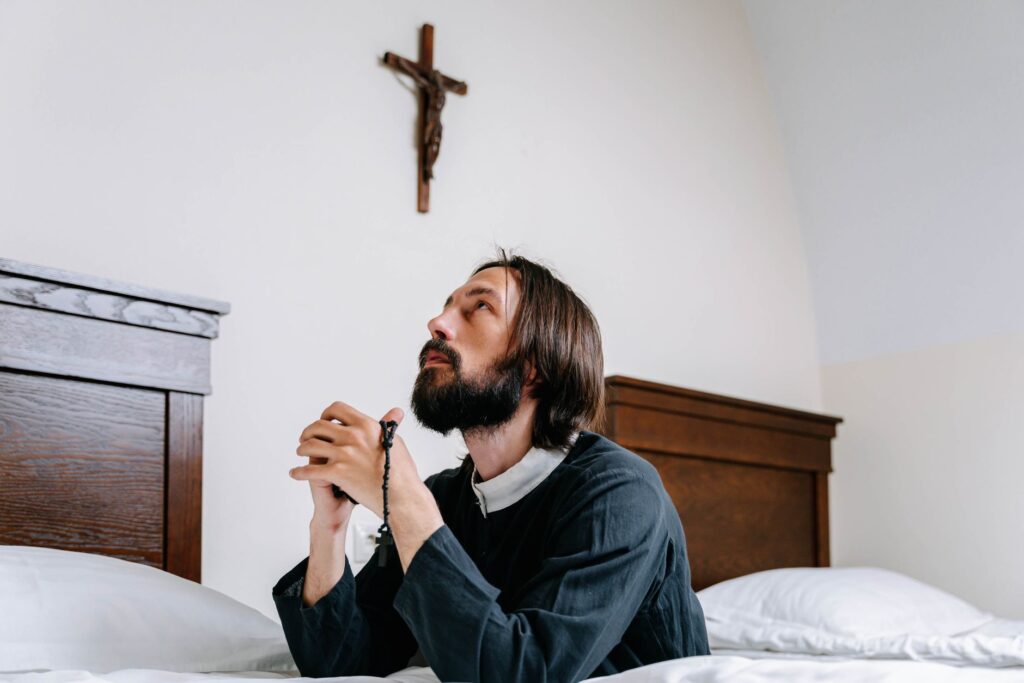
The Bible teaches us that everything we own ultimately belongs to God. In Psalm 24:1, it states, “The earth is the Lord’s, and everything in it, the world, and all who live in it” (NIV). This foundational understanding of ownership invites us to view our homes not merely as personal property but as gifts from God to be managed wisely. God expects us to be good stewards of what He has entrusted to us, including our homes.
Stewardship in home ownership involves several responsibilities:
A home should be a place where God’s presence is felt and His teachings are lived out. In Deuteronomy 6:6-7, we are instructed to impress God’s commandments on our children, talking about them at home and when we walk along the road, when we lie down and when we get up. This nurturing environment encourages family members to grow spiritually and emotionally. By establishing routines of prayer, Bible study, and worship, we make our homes a sanctuary.
Here are some practical tips for creating a God-honoring environment:
A home is not just a physical structure; it is part of a community. The Bible emphasizes the importance of loving our neighbors. In Mark 12:31, Jesus commands us to “Love your neighbor as yourself” (NIV). As homeowners, we have the opportunity to engage with our neighbors, fostering relationships that reflect Christ’s love. This can be particularly impactful in today’s society, where isolation is prevalent.
Engaging with your community can take many forms:
Purchasing a home is a significant milestone, and it often reflects a journey of faith. In Proverbs 16:9, it states, “In their hearts humans plan their course, but the Lord establishes their steps” (NIV). This verse reminds us that while we may have intentions and plans regarding home ownership, it is ultimately God who guides our path. Seeking His will and direction in the process can lead to peace and fulfillment.
Here are some spiritual practices to consider during this journey:
Home ownership can also provide an opportunity to build a legacy for future generations. Proverbs 13:22 states, “A good person leaves an inheritance for their children’s children” (NIV). This inheritance is not solely financial but includes values, traditions, and a faith foundation. A home can serve as a place where these legacies are cultivated, allowing children and grandchildren to grow in a nurturing and loving environment.
Consider how you can build a legacy through your home:
Our homes can be a reflection of God’s inclusive love. In Galatians 3:28, it says, “There is neither Jew nor Gentile, neither slave nor free, nor is there male and female, for you are all one in Christ Jesus” (NIV). As homeowners, we can create spaces that welcome diversity and foster relationships across different backgrounds. This inclusivity can be a powerful testimony to those around us.
Here are ways to embrace diversity in your home:

Dedication of a home to God is an essential practice for Christians embarking on home ownership. In Joshua 24:15, it states, “But as for me and my household, we will serve the Lord” (NIV). This declaration signifies a commitment to honor God in all aspects of life, including our homes. Dedication prayers can help establish a spiritual foundation, inviting God’s guidance and protection within the space.
Consider these steps for dedicating your home:
Gratitude is a powerful spiritual practice that can transform how we view our homes. In 1 Thessalonians 5:18, it reminds us to “give thanks in all circumstances” (NIV). By cultivating an attitude of gratitude, we can appreciate the blessings of home ownership, even amidst challenges. This perspective can foster joy and contentment in our lives.
Ways to practice gratitude in your home include:
The Bible acknowledges the importance of having a home and encourages believers to view it as a place of stability, community, and stewardship. Verses like Psalm 127:1 highlight the need for God’s guidance in building a home.
While the Bible warns against excessive debt, it does not explicitly label home ownership as sinful. It encourages wise financial practices and trusting in God’s provision. Consider Romans 13:8, which reminds us to avoid outstanding debts except for love.
Creating a home that honors God involves cultivating an atmosphere of love, hospitality, and faith. Open your home to others, pray together, and fill your space with reminders of God’s faithfulness, such as Scripture verses and family traditions centered on faith.
Yes, owning a home can be a spiritual journey as it requires faith, prayer, and a commitment to stewardship. In your pursuit of home ownership, consider how God is leading you and how your home can serve as a ministry to others.
Bible verses about home ownership reveal that having a place to call home is a cherished aspect of life. While practical considerations are essential, the spiritual dimensions of home ownership, such as stewardship, community, and trust in God, are equally important. May we seek to honor God in our homes, creating spaces that reflect His love and hospitality.
Weekly encouragement
Free Bible study guides, prayer help and a verse to carry through your week. No spam, unsubscribe anytime.



Join the conversation