
Faith and Trust in God
Bible Verse About Focusing On Yourself: Finding Balance and Clarity
Nov 12, 2026 · 13 min read
Discover Bible verses about wrongdoing, gain insights into sin, accountability, and the hope of forgiveness to guide your spiritual journey.
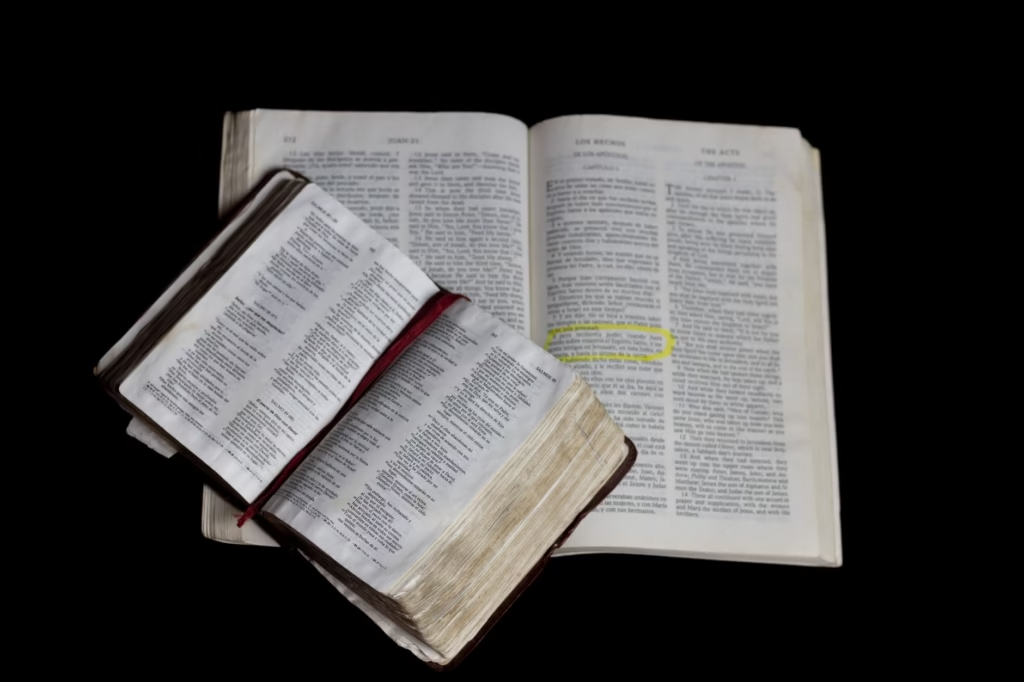
Short answer: The Bible teaches that wrongdoing is universal, as seen in Romans 3:23: 'For all have sinned and fall short of the glory of God.' Additionally, 1 John 1:9 offers hope by stating, 'If we confess our sins, he is faithful and just to forgive us our sins.'
The concept of wrongdoing is as old as humanity itself. From navigating personal dilemmas to confronting societal injustices, many of us grapple with the question of right and wrong. Fortunately, the Bible offers a wealth of wisdom on this topic, shedding light on the consequences of our actions, God’s perspective on sin, and the journey toward redemption. In this blog post, we will explore key Bible verses about wrongdoing and discuss their implications for our lives today.
Before diving into specific verses, it’s crucial to define what is meant by "wrongdoing" in the biblical sense. Wrongdoing refers not only to sinful actions but also to attitudes and behaviors that deviate from God’s commandments and moral teachings. The Bible characterizes wrongdoing as a separation from God’s will, often resulting in negative consequences for individuals and communities.
Let’s explore some significant Bible verses that address wrongdoing. Each verse highlights essential truths about sin, accountability, and the path toward forgiveness.
"For all have sinned and fall short of the glory of God."
This foundational verse reminds us that wrongdoing is a universal human experience. No one is exempt from sin; we all make mistakes. Understanding this can foster humility and encourage us to support one another in our journeys toward righteousness.
"So whoever knows the right thing to do and fails to do it, for him it is sin."
This verse emphasizes that wrongdoing is not just about actions but also about inaction. Recognizing what is right and failing to act can be just as grievous. It calls us to be vigilant in our moral choices and to act in accordance with our beliefs.
"Be assured, an evil person will not go unpunished, but the offspring of the righteous will be delivered."
This proverb highlights the principle of accountability. While earthly consequences may vary, there is a higher moral order that ensures justice in the grand scheme. It serves as a reminder that our actions have relevance beyond our immediate surroundings.
"If we confess our sins, he is faithful and just to forgive us our sins and to cleanse us from all unrighteousness."
One of the most beautiful promises in the Bible, this verse reassures us that no matter how far we stray, there is always a path back to God through confession and repentance. This emphasizes God's grace and encouragement for continual personal improvement.
"Do not be deceived: God is not mocked, for whatever one sows, that will he also reap."
This verse serves as a stark reminder of the law of consequences. The choices we make—whether good or bad—will ultimately impact our lives and the lives of those around us. Living with intention and integrity becomes critical.
Acknowledging wrongdoing is not merely about guilt; it's about recognition, transformation, and growth. Here are a few actionable steps to embrace this journey:
Understanding and addressing wrongdoing is vital for personal growth and spiritual development. The Bible offers rich insights into the nature of sin, the importance of accountability, and the power of forgiveness. Each verse serves as a guidepost on our journey to align with God’s will. By engaging with scripture and embracing the lessons it teaches, we can navigate our moral choices with wisdom and grace.
As we continue to grapple with the complexities of right and wrong, let us remember that growth is a journey, not a destination. Embrace the calls for repentance, strive for personal integrity, and always be open to the transformative power of God’s love and forgiveness. Your path toward righteousness begins with a single step—acknowledging your shortcomings and choosing to learn and grow from them.
Regular self-examination is crucial in recognizing patterns of wrongdoing. Engage with scripture to gain clarity and guidance on your path towards righteousness.
What does the Bible say about sin?
The Bible teaches that all have sinned (Romans 3:23) and that sin separates us from God.
How can I be forgiven for my wrongdoing?
1 John 1:9 reassures us that if we confess our sins, God is faithful to forgive us.
What are the consequences of wrongdoing?
The Bible emphasizes accountability; Proverbs 11:21 states that an evil person will not go unpunished.
How can I avoid wrongdoing?
Engaging with scripture and practicing moral vigilance can help you make righteous choices.
Understanding the nature of wrongdoing impacts our spiritual journey. Embracing God's grace and seeking forgiveness can lead to transformation and renewed purpose in life.
Weekly encouragement
Free Bible study guides, prayer help and a verse to carry through your week. No spam, unsubscribe anytime.



Join the conversation