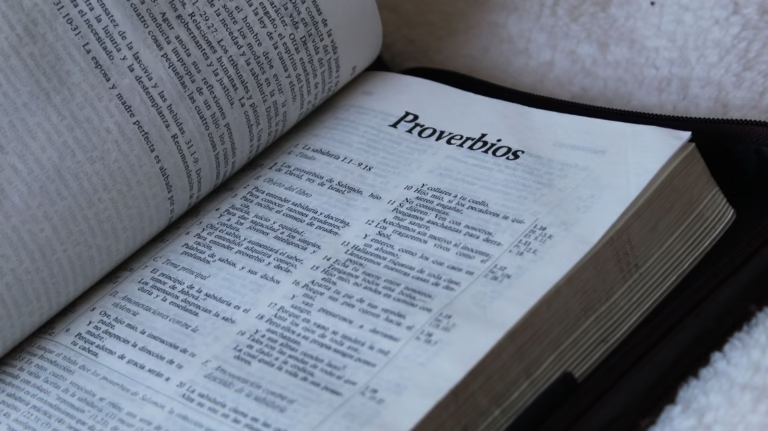
Short answer: Bible verses like Daniel 2:21 highlight God's control over nations rising and falling. Proverbs 14:34 emphasizes that righteousness and moral integrity can determine a nation's fate.
Bible Verses About Nations Rising and Falling: Divine Lessons from the Scripture
In the grand tapestry of history, nations have risen to great power only to fall into oblivion, their stories interwoven with divine narratives that convey profound lessons. The Bible, a millennia-old compendium of divine wisdom, provides insightful passages concerning the rise and fall of nations, reflecting on human endeavors, divine intervention, and moral imperatives. In this blog post, we delve into the biblical perspective on the cyclical fate of nations, offering reflections that are as relevant today as they were during biblical times.
Understanding the Divine Narrative
A Higher Power in Control
The Bible repeatedly emphasizes that the fate of nations is ultimately in the hands of a sovereign God. This perspective serves as a humbling reminder of the limits of human power and the supremacy of divine will.
- Daniel 2:21 – “He changes times and seasons; he deposes kings and raises up others. He gives wisdom to the wise and knowledge to the discerning.”
This verse reveals God’s ultimate authority over world events, underscoring the belief that human leadership is transient and subject to divine ordination.
The Judgment of Nations
Nations often experience rises and falls according to their faithfulness to divine principles or their deviation from them. The Bible offers several instances where nations were judged based on their adherence to ethical and spiritual laws.
- Proverbs 14:34 – “Righteousness exalts a nation, but sin condemns any people.”
Here, the moral fiber of a nation is highlighted as a key factor in its prosperity or downfall, with sin serving as a core reason for decline.
Historical Examples from the Bible
The Rise and Fall of Empires
Throughout biblical history, various empires demonstrated the cyclical nature of power, driven by divine judgment and human action.
- Babylon: As seen in the Book of Jeremiah, Babylon rose to power but was later condemned for its hubris and oppression, eventually falling as prophesied.
Jeremiah 51:44 – “I will punish Bel in Babylon and make him spew out what he has swallowed. The nations will no longer stream to him. And the wall of Babylon will fall.”
- Assyria: Known for its military might and vast empire, Assyria was similarly warned by prophets like Nahum of impending doom because of its cruelty and idolatry.
Nahum 1:14 – “The Lord has given a command concerning you, Nineveh: ‘You will have no descendants to bear your name. I will destroy the images and idols that are in the temple of your gods.’”
Moral and Ethical Considerations
Lessons for Contemporary Society
In exploring these biblical accounts, modern readers can draw lessons for today’s global political and social landscape. The Bible’s teachings encourage nations to reflect on their governance and moral responsibilities.
- Pursue Justice and Peace: Adherence to justice and peaceful coexistence amongst nations is a recurring biblical theme, urging contemporary societies to embrace fairness and international harmony.
- Guard Against Idolatry and Pride: Many nations fell due to excessive pride and idolatry; thus, humility and reverent acknowledgment of a higher power are crucial practices to avert calamity.
Hope and Restoration
Even amid discussions of judgment and decline, the Bible offers messages of hope and renewal.
- 2 Chronicles 7:14 – “If my people, who are called by my name, will humble themselves and pray and seek my face and turn from their wicked ways, then I will hear from heaven, and I will forgive their sin and will heal their land.”
This verse suggests that redemption and restoration are always possible through sincere repentance and seeking divine guidance.
Conclusion: Timeless Lessons for a Better Tomorrow
The biblical discourse on nations rising and falling extends beyond mere historical narrative. It invites introspection on the moral and spiritual dimensions of political and social life. By studying these Scriptures, we can gain insights into the attributes that lead to national prosperity and those that precipitate decline. As history continues to unfold, these divine lessons remain a beacon for societies striving for righteousness, justice, and enduring peace. Embracing these timeless truths can guide today’s nations towards a more hopeful and harmonious existence, aligning with the divine path outlined in the Scriptures.
Key Takeaways
- God sovereignly controls the rise and fall of nations (Daniel 2:21).
- Righteousness leads to national exaltation, while sin brings condemnation (Proverbs 14:34).
- Historical examples of Babylon and Assyria illustrate judgment based on moral behavior.
- Sincere repentance and seeking God can lead to national healing (2 Chronicles 7:14).
Reflect on National Principles
Consider how biblical principles of justice, humility, and righteousness can influence your nation's actions. Applying these teachings can guide leaders towards better governance.
Frequently Asked Questions
What does the Bible say about national judgment?
The Bible indicates that nations are judged based on their adherence to divine principles, as seen in Proverbs 14:34.
How can a nation seek restoration according to the Bible?
A nation can seek restoration through humility and prayer, as outlined in 2 Chronicles 7:14.
What lessons can we learn from ancient empires?
The rise and fall of empires like Babylon and Assyria show that pride and moral failure can lead to downfall.
Is there hope for nations in decline?
Yes, the Bible emphasizes that sincere repentance can lead to healing and renewal for nations.
The Bottom Line
The teachings about nations in the Bible offer timeless wisdom for today's world. By embracing righteousness and seeking God’s guidance, we can foster a brighter future for our societies.