BIBLE VERSES ABOUT LANDLORDS
Introduction
Property ownership and land stewardship have existed since the earliest days of Scripture. From Abraham who dwelled in promised lands, to the parables of Jesus that addressed property and tenants, the Bible provides timeless wisdom for those who own or manage land. In today’s world, landlords occupy a unique position of authority and trust. They are entrusted with property that meets the vital need of shelter for others, a gift that should be managed with compassion, fairness, and integrity.
This topic is relevant because believers who serve as landlords are not just participants in a business arrangement. They are also called to reflect God’s righteousness in how they treat tenants, manage wealth, and exercise authority. Understanding what the Bible says about landlords can transform the way Christians engage with property ownership and use it as a platform for godly influence.
Stewardship and Ownership in the Bible
In the Bible, every earthly owner is ultimately a steward of what belongs to God. Psalm 24 verse 1 states, “The earth is the Lord’s and everything in it, the world and all who live in it.” This verse reminds us that while human beings can hold property, true ownership belongs to God alone.
A landlord, therefore, is a caretaker of God’s resources. This understanding changes the purpose of ownership. The goal is not self-enrichment above all else, but faithful stewardship that honors God. Jesus illustrated this truth in the Parable of the Talents in Matthew chapter 25 verses 14 to 30. The servants were entrusted with their master’s wealth and expected to manage it wisely. In the same way, a landlord must manage property responsibly, maintain it well, and ensure that those who dwell within it are treated fairly.
Practical Reflection:
A Christian landlord should consider questions such as:
- Am I managing my properties with honesty and diligence?
- Do my business practices reflect integrity and care?
- Do I treat tenants with the fairness and dignity that Christ models?
Fairness and Compassion Toward Tenants
The Bible frequently warns against exploiting the vulnerable. In Leviticus chapter 25 verse 35, God instructs His people, “If any of your fellow Israelites become poor and are unable to support themselves among you, help them as you would a foreigner or stranger, so they can continue to live among you.” This principle extends to anyone in a position of power, including landlords.
A righteous landlord does not take advantage of a tenant’s need for housing. Instead, they act with understanding and compassion while still maintaining lawful and ethical expectations. Proverbs chapter 19 verse 17 says, “Whoever is kind to the poor lends to the Lord, and He will reward them for what they have done.” When Christian landlords show mercy, they reflect the generosity of God and testify of His goodness through their actions.
Practical Reflection:
Compassion can be shown through patience during hardship, clear communication, and a willingness to find solutions rather than cause harm. Fairness and mercy do not mean neglecting boundaries, but rather ensuring that justice and love coexist in every decision.
Integrity in Contracts and Financial Dealings
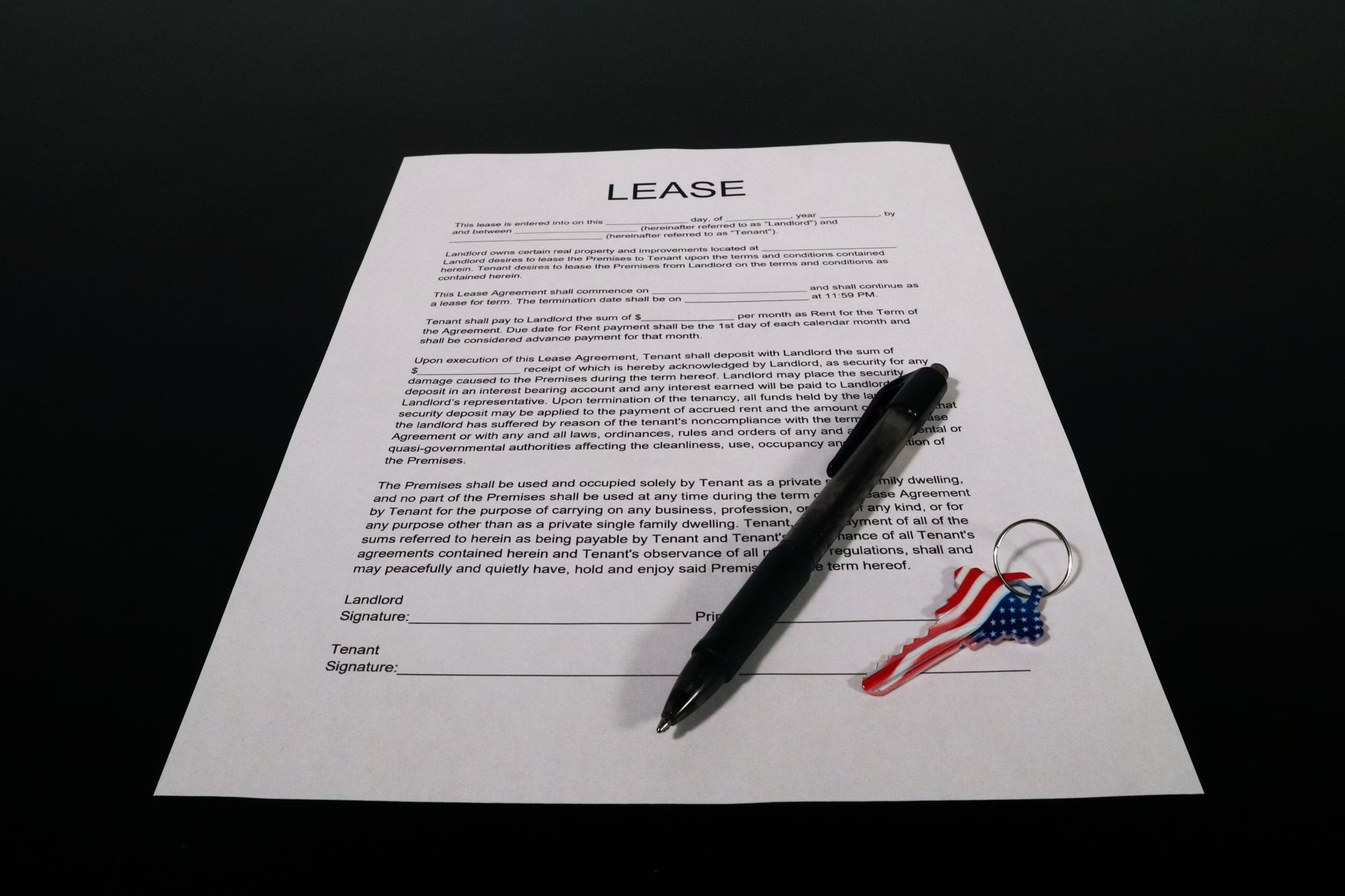
Landlord and tenant relationships are built upon agreements. Scripture calls believers to honor their word. Ecclesiastes chapter 5 verses 4 to 5 warns, “When you make a vow to God, do not delay to fulfill it. He has no pleasure in fools. Fulfill your vow.” While this passage refers to vows made to God, it reveals the seriousness with which believers should keep any promise or agreement.
A landlord who honors contracts demonstrates reliability and truthfulness. Jesus teaches in Matthew chapter 5 verse 37, “Let your yes be yes and your no be no.” This means a landlord’s commitments should be clear, transparent, and trustworthy. Avoiding deception in property descriptions, maintenance promises, or rental terms reflects the truthfulness of Christ Himself.
Practical Reflection:
- Always communicate terms clearly and honestly.
- Keep maintenance and repair promises without delay.
- Deal with finances responsibly, paying taxes and obligations faithfully.
These actions not only follow biblical teaching but also foster peace, trust, and long-term blessing for both parties.
Justice and Accountability
Scripture also addresses the responsibility that comes with authority. In the Old Testament, God repeatedly condemned those who oppressed others for personal gain. Jeremiah chapter 22 verse 13 proclaims, “Woe to him who builds his palace by unrighteousness, his upper rooms by injustice, making his own people work for nothing, not paying them for their labor.”
While this verse speaks directly about injustice in leadership, it applies equally to any context where one person benefits from another’s effort or need. Landlords who use their authority unjustly, who neglect legitimate tenant concerns, or who increase charges unfairly fall into this same warning. God values justice over profit.
The Apostle Paul reinforces this principle in Colossians chapter 4 verse 1: “Masters, provide your slaves with what is right and fair, because you know that you also have a Master in heaven.” Even though the context involves masters and servants, the moral standard applies to all who have responsibility over others. God expects those in authority to act with righteousness, knowing they themselves are accountable to Him.
Using Property for God’s Glory
A faithful landlord can view property ownership as ministry. Hospitality is one of the most beautiful expressions of biblical love. Hebrews chapter 13 verse 2 encourages believers, “Do not forget to show hospitality to strangers, for by so doing some people have shown hospitality to angels without knowing it.” Though landlords may not always host guests in their personal homes, their properties can still serve as places of peace, safety, and love.
Owning or managing property can be a calling. Christian landlords can choose to rent responsibly, provide safe and dignified living conditions, and create environments that reflect the values of God’s kingdom. Every home or apartment can become a small space where the light of Christ touches daily life.
Key Lessons
- All ownership ultimately belongs to God, and landlords are stewards of His provision.
- Fair and compassionate treatment of tenants reflects Christ’s love.
- Honoring agreements and contracts demonstrates Christian integrity.
- Injustice and greed invite God’s disapproval, while righteousness brings lasting peace.
- Property ownership can serve as a form of ministry when done to glorify God.
Conclusion
The Bible’s message about landlords goes beyond legal or economic matters. It reveals a deeper truth about God’s view of stewardship, justice, and compassion. Every believer who owns or manages property has an opportunity to mirror God’s character in the way they treat others. Scripture calls landlords to act with honesty, mercy, and accountability, remembering that everything they possess ultimately belongs to the Lord.
When the landlord’s heart is guided by biblical wisdom, property management becomes more than a business. It becomes an act of faith and an expression of love. Let every Christian landlord remember that how they manage their properties today is a testimony of their faith in God who owns all things.
Further Reading
BIBLE VERSES ABOUT BLACK PEOPLE
BIBLE VERSES ABOUT LATENESS TO CHURCH
BIBLE VERSES ABOUT GOD PROTECTING US FROM OUR ENEMIES