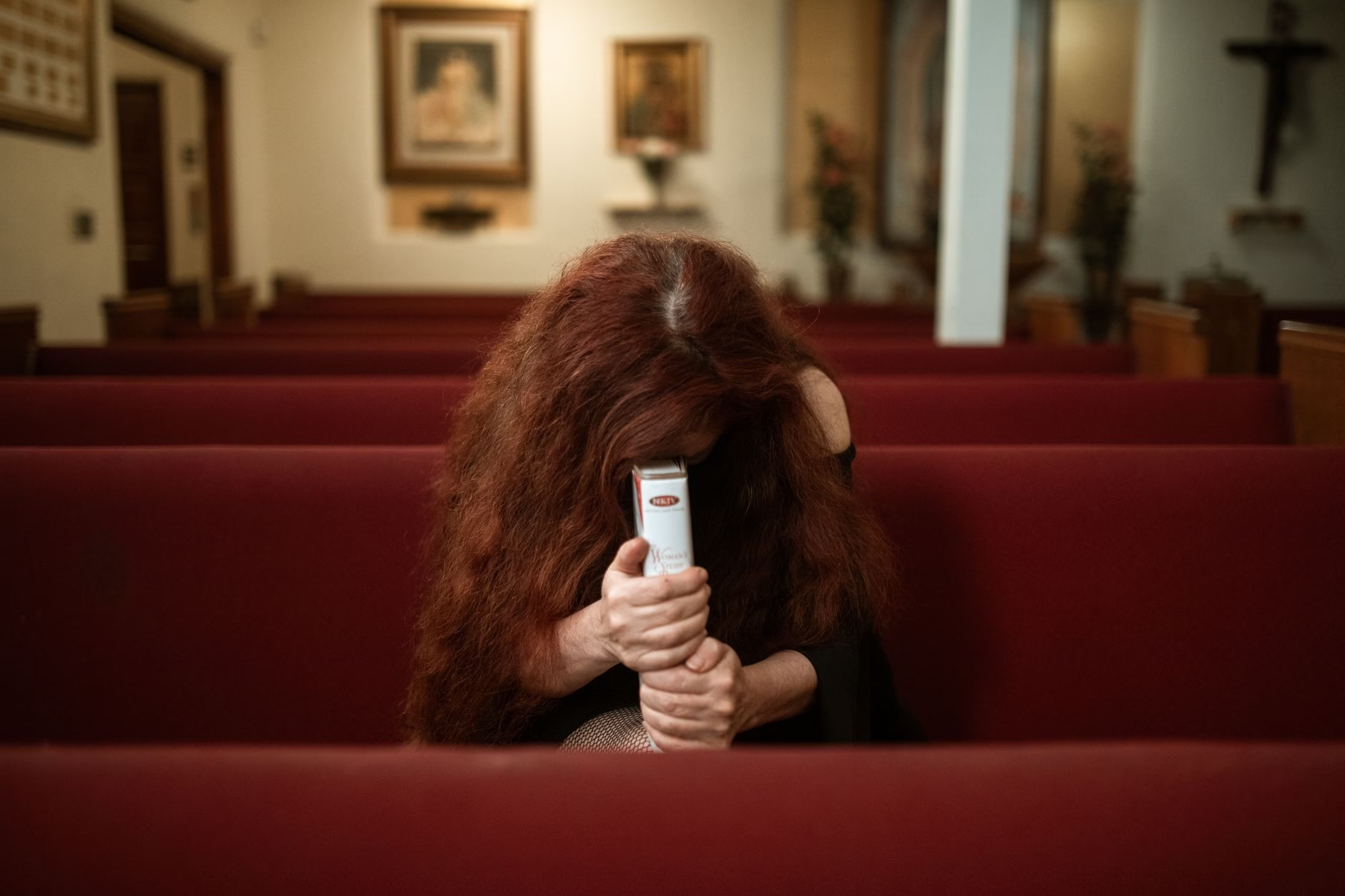
Kneeling is a posture deeply embedded in the fabric of Christian worship and devotion. For many believers, finding a physical expression of reverence and humility in prayer is vital to cultivating a rich spiritual life. Kneeling before God can signal surrender, invite His presence, and provide a profound sense of connection to the divine. This article explores various Bible verses about kneeling, emphasizing the significance of this posture in the life of a believer.
Understanding the Importance of Kneeling
Kneeling serves as an act of submission and respect. Throughout Scripture, it is often associated with prayer, worship, and humility. In a world filled with distractions and noise, kneeling helps us focus on God, aligning our hearts and minds with His will. It is an invitation for God to work in us as we demonstrate our dependence on Him.
The Bible frequently depicts kneeling as a posture of worship and surrender, reinforcing the idea that interacting with God can – and should – involve physical actions that reflect our inner attitudes.
Biblical Examples of Kneeling
The Scriptures are rich with instances where individuals knelt before God, illustrating the powerful role this posture plays in spiritual encounters.
Solomon’s Dedication of the Temple: In 1 Kings 8:54-55, after completing the temple, Solomon knelt before the altar of the Lord and prayed. This act expressed his dedication of the temple to God and exemplified humility and reverence.
Daniel’s Prayer: Daniel 6:10 recounts that despite the decree against prayer, Daniel knelt three times a day to pray to God. This steadfastness, even in the face of persecution, highlights the importance of kneeling in faith and commitment to God.
Jesus in the Garden of Gethsemane: Luke 22:41 illustrates Jesus kneeling as He prayed before His impending crucifixion. In this moment of profound emotional turmoil, His posture of kneeling signified submission to the Father’s will.
The Apostle Paul: In Acts 20:36, when Paul had finished speaking to the elders of Ephesus, he knelt to pray with them, showcasing the significance of communal prayer and support among believers.
Kneeling as a Posture of Prayer
Kneeling is frequently connected with prayer throughout the Bible. It signifies openness to God’s presence and a readiness to receive His guidance and strength.
Ephesians 3:14-16: Paul writes, “For this reason I kneel before the Father, from whom every family in heaven and on earth derives its name.” Here, kneeling reflects Paul’s earnest desire for the Ephesians to experience God’s power in their lives.
Psalm 95:6: The psalmist invites us, “Come, let us bow down in worship, let us kneel before the Lord our Maker.” This illustrates that kneeling is not only an acknowledgment of God’s authority but also a practice of worship that binds the community of believers.
Kneeling as an Expression of Humility
Kneeling is often a humbling act, reminding us of our place before the Almighty God. It can be a physical manifestation of the humility that God desires from His people.
Philippians 2:10: Paul states, “That at the name of Jesus every knee should bow…” This verse reinforces that all creation will ultimately recognize the Lordship of Christ, urging believers to submit to Him in humility now.
James 4:10: “Humble yourselves before the Lord, and he will lift you up.” Kneeling before God is a practical step in the journey of humility and dependence on His grace.
Practical Applications of Kneeling in Our Daily Lives
Incorporating kneeling into our spiritual practices can enhance our relationship with God. Here are some practical ways to embrace this posture:
Morning Devotions: Start your day by kneeling in prayer, inviting God’s presence into your daily activities. This can set a tone of surrender and reliance on Him.
During Worship Services: Consider kneeling during worship or prayer times in church as an expression of reverence and community worship.
In Times of Crisis: When facing difficulties, take a moment to kneel in prayer. It can serve as a powerful reminder of your need for God's strength and guidance.
For Gratitude: Kneeling in moments of thanksgiving, such as after receiving an answered prayer, can help solidify your appreciation for God’s provision.
Conclusion
Kneeling is more than a physical action; it embodies the heart's posture of surrender, reverence, and devotion to God. As believers, incorporating kneeling into our personal and communal worship can deepen our connection with the Father and enhance our prayer lives. Whether you kneel in moments of petition, thanksgiving, or worship, remember that God values your heart's intention above your physical posture. Embrace kneeling as a means to grow in humility and dependency on the Almighty God, acknowledging His greatness and love in every aspect of your life.