BIBLE VERSES ABOUT BODY MOVEMENT
Introduction
The human body is one of the most magnificent creations of God. Scripture teaches that our bodies are not our own, but temples of the Holy Spirit, entrusted to us for the purpose of glorifying God in every action, every word, and even every motion. In a world that often separates the physical from the spiritual, believers are reminded that body movement, from the lifting of our hands in worship to the daily tasks we perform, can be an act of worship when directed toward God.
Understanding what the Bible says about body movement helps us see that physical expressions and actions hold spiritual meaning. Our gestures, posture, and physical energy can communicate surrender, joy, reverence, and service. This truth transforms the way we approach worship, work, and daily living, reminding us that the movement of our bodies is part of our offering to the Lord.
The Body as a Temple of the Holy Spirit
“Do you not know that your bodies are temples of the Holy Spirit, who is in you, whom you have received from God?” (1 Corinthians 6:19)
Related Posts:


The apostle Paul teaches that our bodies are sacred vessels. The believer’s body is the dwelling place of God’s Spirit, which means every action we take should reflect His holiness and love. Movement is not neutral; it reflects our inner life. How we use our bodies communicates our priorities and reveals whether we are walking in the Spirit or catering to the flesh.
When we move our bodies in service, prayer, or praise, we are expressing cooperation with the presence of God. Whether we stretch a hand to help someone in need or kneel in humility before the Lord, every movement can honor Him when done with a sincere heart.
Practical reflection:
- Treat your body as a tool for glorifying God rather than satisfying personal desire.
- Consider what your posture, actions, and expressions reveal about your faith.
- Honor God through physical care, rest, and service.
Body Movement in Worship
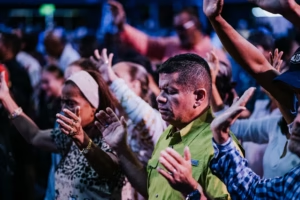
Worship in the Bible is often expressed through movement. Scripture records people bowing, lifting their hands, dancing, and falling prostrate before God. These motions were not empty rituals but sincere declarations of love, awe, and surrender.
Psalm 149:3 says, “Let them praise His name with dancing and make music to Him with timbrel and harp.” Worship involves spirit and body. Through movement, our outward expression matches our inward devotion.
Psalm 63:4 declares, “I will praise You as long as I live, and in Your name I will lift up my hands.” Lifting hands is a symbol of surrender and expectation. It reflects trust and dependence on God.
When believers use their physical bodies in worship, it strengthens the unity between heart and action. Dancing or lifting hands is not about performance but about demonstrating joy and reverence toward the Creator.
Practical applications for worship:
- Lift your hands in prayer as a sign of surrender.
- Bow during personal worship to acknowledge God’s greatness.
- Move to music or sing joyfully to express gratitude for His goodness.
obedience">Movement as Service and Obedience
Scripture ties action and movement to obedience. Faith is not merely belief, it is also doing the works that flow from trust in God. James 2:17 teaches, “Faith by itself, if it is not accompanied by action, is dead.” Our bodies are the instruments through which faith is displayed in tangible ways.
Acts of service require physical movement. Helping the poor, visiting the sick, or carrying burdens are all ways we move our bodies in obedience to God’s will. Jesus modeled this perfectly through His ministry. He walked among the people, touched the sick, washed the disciples’ feet, and carried His cross. Every movement He made reflected love in action.
Reflection for daily life:
- Ask how your physical actions can demonstrate your faith today.
- Serve others through simple acts of kindness and compassion.
- Remember that even small movements, such as offering a helping hand or preparing a meal, can glorify God when done in love.
Physical Posture in Prayer and Reverence
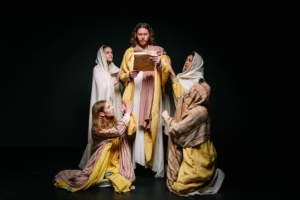
The Bible often describes physical postures that accompany prayer. These gestures express humility, dependence, and reverence. Kneeling, bowing, or lifting eyes toward heaven are ways people in Scripture approached God.
Daniel 6:10 shows Daniel kneeling three times a day to give thanks, even under threat of persecution. His posture demonstrated his steadfast devotion to God.
Philippians 2:10 affirms that one day, “at the name of Jesus every knee will bow, in heaven and on earth.” This verse indicates that bodily posture reflects the reality of spiritual submission before Christ’s authority.
Practical encouragement:
- Incorporate physical posture in personal prayer to deepen your sense of reverence.
- Allow every gesture to remind you of your identity as a servant and worshiper of God.
- Reflect on how your physical posture can communicate humility and faith.
Caring for Our Bodies as Acts of Stewardship
Body movement is also about how we maintain and use our physical strength. The Bible calls believers to stewardship of their bodies. Romans 12:1 urges, “Offer your bodies as a living sacrifice, holy and pleasing to God, this is your true and proper worship.”
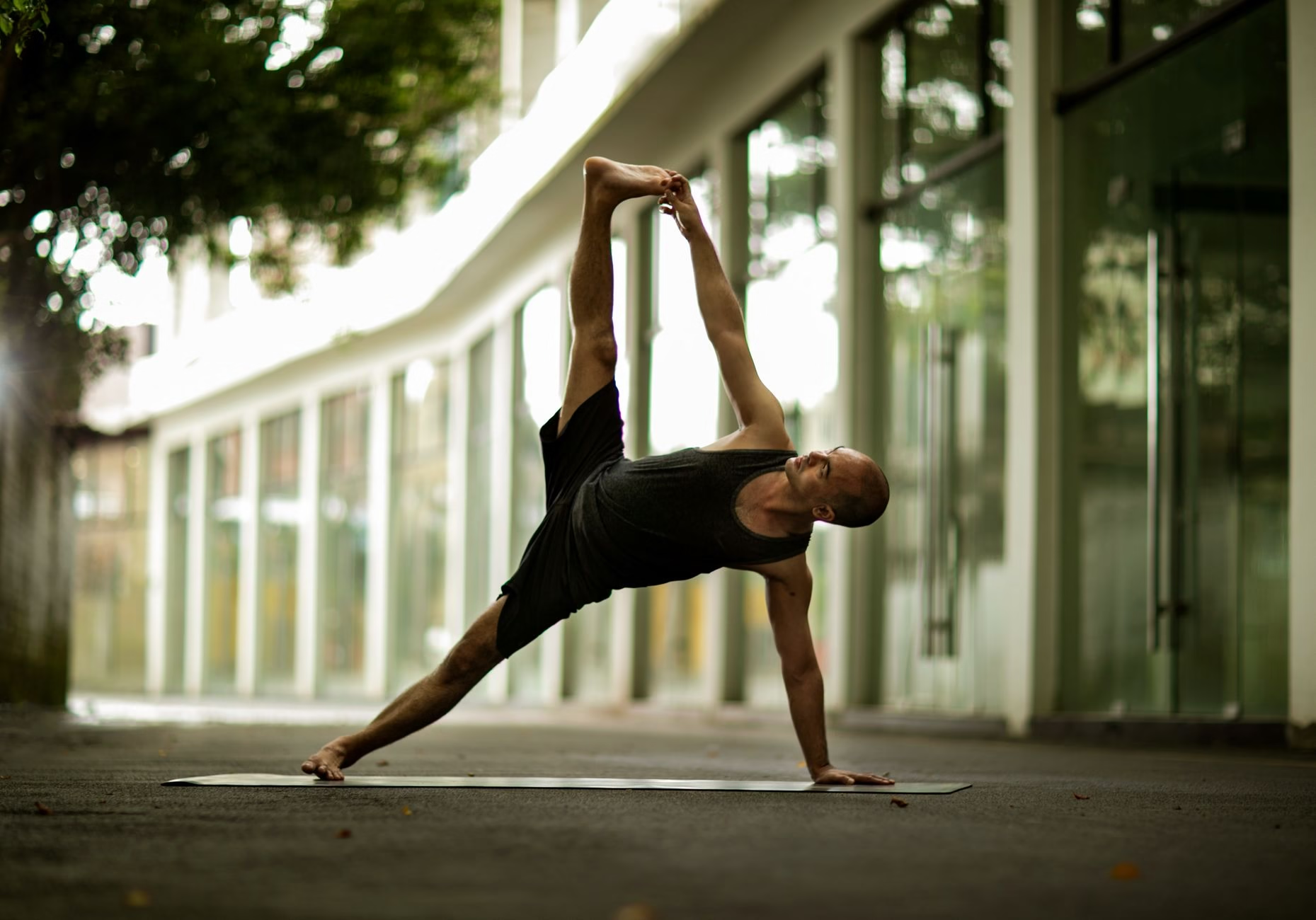
Caring for health and strength is a form of worship because it allows us to serve others effectively and live longer for God’s purpose. Movement through exercise, labor, and daily routines can be part of honoring the gift of life.
Consider these ways to practice stewardship through movement:
- Engage in regular physical activity with gratitude for the body God has given.
- Rest when needed, recognizing that the body requires balance.
- Use energy to fulfill your calling with excellence and diligence.
Key Lessons
- The body is the temple of the Holy Spirit, and every movement should reflect holiness and reverence.
- Worship through movement connects mind, body, and spirit in unity before God.
- Service and obedience require physical action, showing faith through deeds.
- Posture in prayer expresses humility and deepens spiritual connection.
- Caring for the body honors God through faithful stewardship.
Conclusion
Body movement in Scripture goes far beyond physical activity. It is spiritual expression made visible. From lifting hands in praise to serving others in love, every motion of the believer’s body can glorify God. When we understand this truth, we realize that worship is not limited to our words or thoughts. Our bodies themselves become instruments of praise, obedience, and surrender.
Let every movement you make, whether small or great, remind you that your body belongs to the Lord. Use it to serve, to worship, and to reflect His love to the world. In doing so, you fulfill one of the greatest calls of discipleship, to love the Lord your God with all your heart, all your soul, all your mind, and all your strength.
Further Reading
BIBLE VERSES ABOUT BLACK PEOPLE
BIBLE VERSES ABOUT LATENESS TO CHURCH
BIBLE VERSES ABOUT GOD PROTECTING US FROM OUR ENEMIES