Bible Verses About Freemasonry

BIBLE VERSES ABOUT FREEMASONRY

Table of Contents

Short answer: The Bible does not explicitly mention Freemasonry, but verses like James 1:22-23 and Matthew 7:24-27 resonate with its principles. These verses highlight the importance of action and building a strong moral foundation, aspects that are central to Masonic teachings.

Bible Verses About Freemasonry: A Comprehensive Exploration

Introduction

Freemasonry, one of the oldest and largest fraternal organizations in the world, has long been a subject of curiosity, speculation, and intrigue. Its origins trace back to the late 16th to early 17th centuries, enveloped in a mix of spiritual, philosophical, and ethical teachings. Yet, for some, the relationship between Freemasonry and religion, particularly Christianity, remains shrouded in mystery. Some question whether the Bible directly addresses Freemasonry, and if so, what insights it offers.

This blog post will delve into various Bible verses often discussed in relation to Freemasonry, providing readers with a comprehensive examination of their potential connections and the broader spiritual implications.

The Foundation of Freemasonry

Freemasonry’s Allegorical Teachings

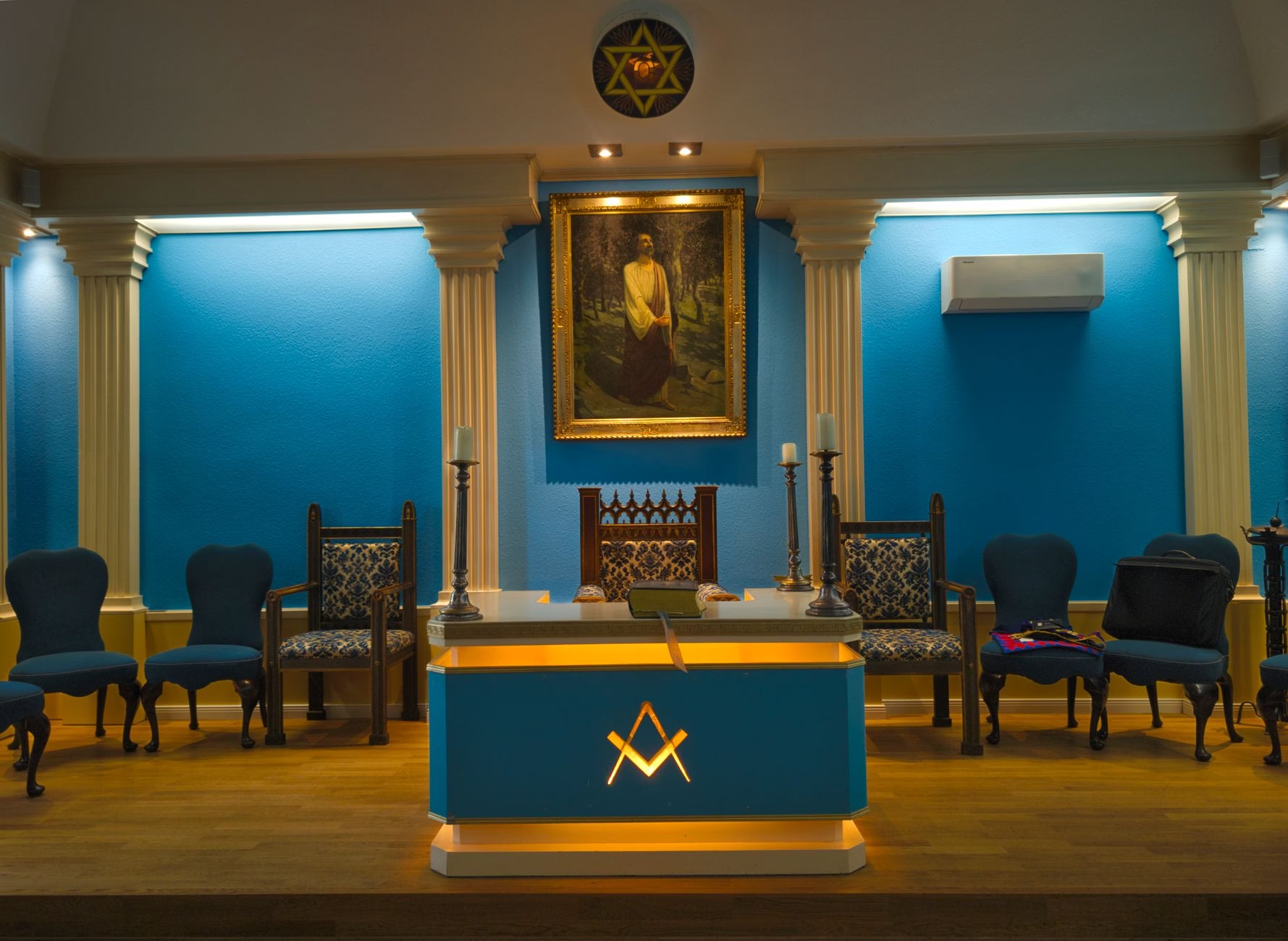
Freemasonry is built upon allegory and symbolism, constructed around the metaphorical use of stonemason tools and craftsmanship. It aims to promote moral and philosophical teachings among its members, encouraging personal development and ethical living.

Lost in Translation: Freemasonry’s Christian Perspective

  • Inclusivity: Although Freemasonry is not a religious institution, it embraces a non-dogmatic stance, welcoming members of different faiths.
  • Misunderstanding: Controversies arise when individuals interpret its symbolic teachings as conflicting with certain religious beliefs.

While the Bible does not explicitly mention Freemasonry, several verses have been discussed in relation to Masonic principles, either corroborating its philosophies or cautioning against certain practices.

Building and Craftsmanship

  1. James 1:22-23 – “Do not merely listen to the word, and so deceive yourselves. Do what it says.”
    • Interpretation: This verse echoes Freemasonry’s emphasis on action over mere words, encouraging members to actualize wisdom in everyday life.
  2. Matthew 7:24-27 – The Parable of the Wise and Foolish Builders.
    • Significance: Just as Freemasonry uses the builder metaphor, this parable urges believers to build their spiritual foundation on the strong bedrock of Christ’s teachings.

The Temple: A Symbol of Freemasonry

  • 1 Kings 5-7: Describes the construction of Solomon’s Temple.
    • Relevance: The temple’s construction is a cornerstone (pun intended) in Freemasonry allegory, symbolizing moral and spiritual development.

Brotherhood and Ethics

  • Psalm 133:1 – “How good and pleasant it is when God’s people live together in unity!”
    • Context in Freemasonry: Reflects the fraternity’s strong belief in brotherhood and unity, transcending personal differences to achieve collective harmony.

Warnings Against False Allegiances

  • 2 Corinthians 6:14-15 – “Do not be yoked together with unbelievers…”
    • Discussion: Critics often cite this as a caution against engaging in practices or associations that could compromise one’s faith, sparking debate about Freemasonry’s compatibility with Christianity.

Interpreting Scripture with Care

  • Contextual Understanding: It is crucial to interpret Bible verses within their historical and literary context to avoid misapplication.
  • Symbol VS Literal: Recognizing the allegorical nature of Freemasonry can help depict its teachings more harmoniously alongside Christian values.

Broader Ethical and Spiritual Teachings

  • Universal Morality: Many of the ethical principles advocated by Freemasonry, such as charity, truth, and integrity, resonate with Christian teachings.
  • Personal Reflection: Encourages individuals to explore how Masonic principles and biblical teachings can complement personal spiritual growth.

Conclusion

The debate over Bible verses about Freemasonry continues, often driven by varying interpretations and personal beliefs. While the Bible does not explicitly reference Freemasonry, elements of its teachings echo, challenge, and sometimes align with biblical philosophies. Whether viewed as complementary parts of one’s spiritual journey or as distinct paths, the dialogue between Freemasonry and Christianity invites deeper exploration into morality, faith, and personal discovery.

Ultimately, the interpretation of these spiritual connections depends on individual perspectives and how one chooses to harmonize their beliefs within the broader tapestry of faith and personal growth. As with any philosophical or spiritual inquiry, engaging with diverse viewpoints with an open and discerning mind can lead to a fuller understanding of both the self and the world.

Key Takeaways

  • The Bible doesn't explicitly reference Freemasonry.
  • James 1:22-23 emphasizes the need for action in faith.
  • Matthew 7:24-27 parallels Masonic building metaphors.
  • 2 Corinthians 6:14-15 warns about associations that conflict with faith.

Consider Context

When exploring Bible verses related to Freemasonry, always consider their historical and literary context. This approach helps avoid misinterpretations and enriches understanding.

Frequently Asked Questions

What Bible verses are often associated with Freemasonry?

James 1:22-23 and Matthew 7:24-27 are commonly cited for their emphasis on action and moral foundation.

Does the Bible consider Freemasonry a legitimate organization?

The Bible does not mention Freemasonry, leaving its legitimacy open to personal interpretation among Christians.

Are there ethical principles in Freemasonry that align with Christianity?

Yes, many Masonic principles, like charity and integrity, align with Christian ethical teachings.

How can I reconcile my beliefs about Freemasonry with my faith?

Engage in personal reflection and study of scripture, considering both Masonic principles and Christian teachings.

The Bottom Line

Exploring the relationship between the Bible and Freemasonry invites meaningful conversations about faith and morality. It's important to approach these discussions with an open heart and mind, focusing on how different principles can contribute to personal growth.


Share it :

Leave a Reply

Your email address will not be published. Required fields are marked *

Trusting God

Bible Verses About Freemasonry

July 16, 2025 · 4 Min Read · 0 Comments
f X W
Bible Verses About Freemasonry

Short answer: The Bible does not explicitly mention Freemasonry, but verses like James 1:22-23 and Matthew 7:24-27 resonate with its principles. These verses highlight the importance of action and building a strong moral foundation, aspects that are central to Masonic teachings.

Bible Verses About Freemasonry: A Comprehensive Exploration

Introduction

Freemasonry, one of the oldest and largest fraternal organizations in the world, has long been a subject of curiosity, speculation, and intrigue. Its origins trace back to the late 16th to early 17th centuries, enveloped in a mix of spiritual, philosophical, and ethical teachings. Yet, for some, the relationship between Freemasonry and religion, particularly Christianity, remains shrouded in mystery. Some question whether the Bible directly addresses Freemasonry, and if so, what insights it offers.

This blog post will delve into various Bible verses often discussed in relation to Freemasonry, providing readers with a comprehensive examination of their potential connections and the broader spiritual implications.

The Foundation of Freemasonry

Freemasonry’s Allegorical Teachings

Freemasonry is built upon allegory and symbolism, constructed around the metaphorical use of stonemason tools and craftsmanship. It aims to promote moral and philosophical teachings among its members, encouraging personal development and ethical living.

Lost in Translation: Freemasonry’s Christian Perspective

  • Inclusivity: Although Freemasonry is not a religious institution, it embraces a non-dogmatic stance, welcoming members of different faiths.
  • Misunderstanding: Controversies arise when individuals interpret its symbolic teachings as conflicting with certain religious beliefs.

While the Bible does not explicitly mention Freemasonry, several verses have been discussed in relation to Masonic principles, either corroborating its philosophies or cautioning against certain practices.

Building and Craftsmanship

  1. James 1:22-23 – “Do not merely listen to the word, and so deceive yourselves. Do what it says.”
    • Interpretation: This verse echoes Freemasonry’s emphasis on action over mere words, encouraging members to actualize wisdom in everyday life.
  2. Matthew 7:24-27 – The Parable of the Wise and Foolish Builders.
    • Significance: Just as Freemasonry uses the builder metaphor, this parable urges believers to build their spiritual foundation on the strong bedrock of Christ’s teachings.

The Temple: A Symbol of Freemasonry

  • 1 Kings 5-7: Describes the construction of Solomon’s Temple.
    • Relevance: The temple’s construction is a cornerstone (pun intended) in Freemasonry allegory, symbolizing moral and spiritual development.

Brotherhood and Ethics

  • Psalm 133:1 – “How good and pleasant it is when God’s people live together in unity!”
    • Context in Freemasonry: Reflects the fraternity’s strong belief in brotherhood and unity, transcending personal differences to achieve collective harmony.

Warnings Against False Allegiances

  • 2 Corinthians 6:14-15 – “Do not be yoked together with unbelievers…”
    • Discussion: Critics often cite this as a caution against engaging in practices or associations that could compromise one’s faith, sparking debate about Freemasonry’s compatibility with Christianity.

Interpreting Scripture with Care

  • Contextual Understanding: It is crucial to interpret Bible verses within their historical and literary context to avoid misapplication.
  • Symbol VS Literal: Recognizing the allegorical nature of Freemasonry can help depict its teachings more harmoniously alongside Christian values.

Broader Ethical and Spiritual Teachings

  • Universal Morality: Many of the ethical principles advocated by Freemasonry, such as charity, truth, and integrity, resonate with Christian teachings.
  • Personal Reflection: Encourages individuals to explore how Masonic principles and biblical teachings can complement personal spiritual growth.

Conclusion

The debate over Bible verses about Freemasonry continues, often driven by varying interpretations and personal beliefs. While the Bible does not explicitly reference Freemasonry, elements of its teachings echo, challenge, and sometimes align with biblical philosophies. Whether viewed as complementary parts of one’s spiritual journey or as distinct paths, the dialogue between Freemasonry and Christianity invites deeper exploration into morality, faith, and personal discovery.

Ultimately, the interpretation of these spiritual connections depends on individual perspectives and how one chooses to harmonize their beliefs within the broader tapestry of faith and personal growth. As with any philosophical or spiritual inquiry, engaging with diverse viewpoints with an open and discerning mind can lead to a fuller understanding of both the self and the world.

Key Takeaways

  • The Bible doesn't explicitly reference Freemasonry.
  • James 1:22-23 emphasizes the need for action in faith.
  • Matthew 7:24-27 parallels Masonic building metaphors.
  • 2 Corinthians 6:14-15 warns about associations that conflict with faith.

Consider Context

When exploring Bible verses related to Freemasonry, always consider their historical and literary context. This approach helps avoid misinterpretations and enriches understanding.

Frequently Asked Questions

What Bible verses are often associated with Freemasonry?

James 1:22-23 and Matthew 7:24-27 are commonly cited for their emphasis on action and moral foundation.

Does the Bible consider Freemasonry a legitimate organization?

The Bible does not mention Freemasonry, leaving its legitimacy open to personal interpretation among Christians.

Are there ethical principles in Freemasonry that align with Christianity?

Yes, many Masonic principles, like charity and integrity, align with Christian ethical teachings.

How can I reconcile my beliefs about Freemasonry with my faith?

Engage in personal reflection and study of scripture, considering both Masonic principles and Christian teachings.

The Bottom Line

Exploring the relationship between the Bible and Freemasonry invites meaningful conversations about faith and morality. It's important to approach these discussions with an open heart and mind, focusing on how different principles can contribute to personal growth.

0 Comments

Leave a Reply

Your email address will not be published. Required fields are marked *

Join Our Newsletter
Get Scripture, new articles, and Bible topics in your inbox.
Stay In The Word

Get Scripture and New Articles In Your Inbox

Join subscribers who receive daily verses and fresh Bible teaching from The Bible Teaches This.