Bible Verses About Being Enough for God
Explore Bible verses about being enough for God, affirming your worth and transforming feelings of inadequacy into confidence in His love.
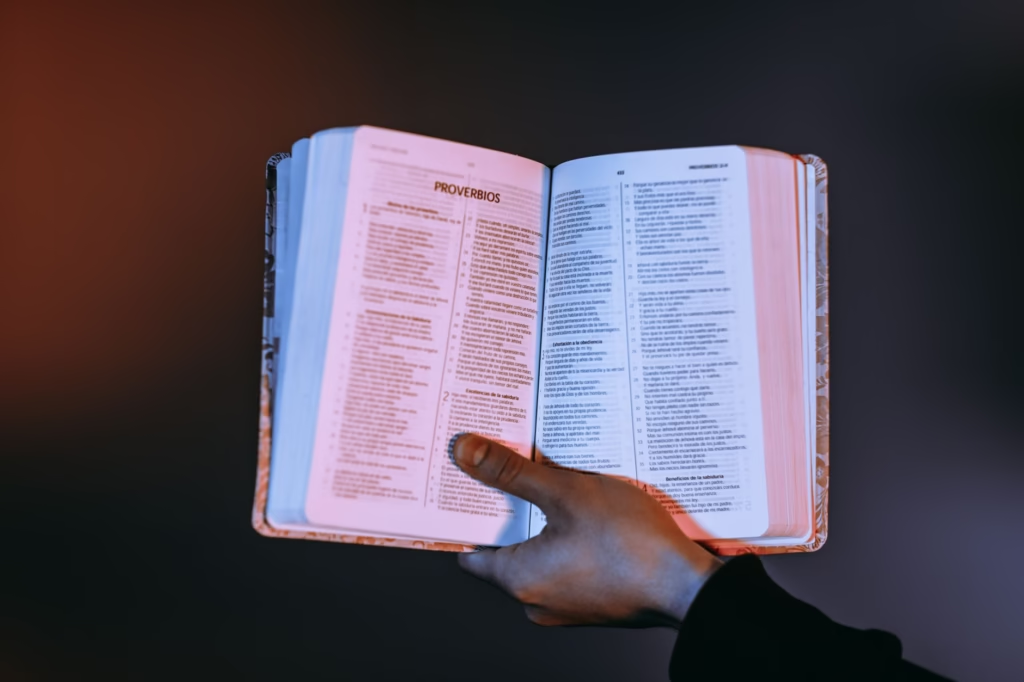
In a world that often measures worth by achievements, appearances, and successes, many individuals grapple with feelings of inadequacy. This sense of "not being enough" can seep into our spiritual lives, causing doubt and fear in our relationship with God. However, the Bible transforms this narrative by assuring us that we are indeed enough in God’s eyes. Throughout scripture, we find verses that affirm our worth, highlight God's unconditional love, and remind us that His grace is sufficient.
In this post, we'll explore some powerful Bible verses about being enough for God and delve into their meanings, providing a foundation for understanding our true value in God’s eyes.
Understanding Our Worth in God's Eyes
1. Created with Intention
From the very beginning, God established that each person has inherent worth. Genesis 1:27 states:
"So God created mankind in his own image, in the image of God he created them; male and female he created them."
This foundational verse emphasizes that every human being is made in God's likeness. Here are a few points to reflect on:
- Inherent Value: We are not just random creations; we possess attributes reflective of our Creator.
- Unique Purpose: Each person is designed with a specific purpose, underscoring that our existence is intentional.
2. God's Unconditional Love
Romans 5:8 beautifully encapsulates the essence of God’s love for us:
"But God demonstrates his own love for us in this: While we were still sinners, Christ died for us."
This verse illustrates:
- Unconditional Acceptance: God loves us not for what we do but for who we are.
- Transformation Through Love: We don’t have to achieve perfection to earn God's love; His spirit works within us to foster growth.
3. His Grace is Sufficient
In 2 Corinthians 12:9, Paul shares a profound experience where God reassured him:
"But he said to me, 'My grace is sufficient for you, for my power is made perfect in weakness.' Therefore I will boast all the more gladly about my weaknesses, so that Christ
Embracing Our Identity as God’s Children
The Power of Adoption
Understanding that we are adopted into God’s family is fundamental to appreciating our worth. In Ephesians 1:4-5 (NIV), Paul writes, “For he chose us in him before the creation of the world to be holy and blameless in his sight. In love, he predestined us for adoption to sonship through Jesus Christ, in accordance with his pleasure and will.” This passage highlights that our identity is anchored in God’s choice and love, not in our performance or achievements.
The concept of adoption signifies a deep, personal connection with God. It means we are no longer strangers or outsiders but are welcomed into a familial relationship. This brings forth a sense of belonging and security. Our identity as children of God reassures us that we are enough simply because we are His.
- We are chosen (1 Peter 2:9)
- We receive a new identity (2 Corinthians 5:17)
- We are heirs to His promises (Galatians 4:7)
Living Out Our Identity
Once we grasp our identity as God’s children, it should transform the way we live. In Colossians 3:1-3 (NIV), we are reminded, “Since, then, you have been raised with Christ, set your hearts on things above, where Christ is, seated at the right hand of God. Set your minds on things above, not on earthly things.” This passage encourages believers to reflect their new identity through their actions and thoughts.
Living out our identity involves embracing our worth and allowing it to influence our behavior. When we recognize that we are enough in God’s eyes, we can confidently engage in our daily lives without the burden of inadequacy. Our actions can be motivated by love and gratitude rather than fear or insecurity.
Overcoming Insecurity through Identity
Many struggle with feelings of inadequacy, which can stem from societal pressures or personal experiences. However, understanding our identity in Christ helps combat these insecurities. In Romans 8:15 (NIV), Paul assures us, “The Spirit you received does not make you slaves, so that you live in fear again; rather, the Spirit you received brought about your adoption to sonship.” This verse emphasizes that as children of God, we are liberated from the fear of rejection.
To overcome insecurity, we can engage in practices such as:
- Regular prayer and meditation on Scripture
- Affirming our identity through positive declarations
- Surrounding ourselves with a supportive community
This intentional focus on our identity in Christ empowers us to rise above feelings of inadequacy and live confidently as God’s beloved children.
Finding Fulfillment in God’s Purpose
The Call to Serve
Understanding that we are enough for God allows us to embrace His purpose for our lives. Each of us has unique gifts and talents that contribute to the body of Christ. In 1 Peter 4:10 (NIV), we read, “Each of you should use whatever gift you have received to serve others, as faithful stewards of God’s grace in its various forms.” Our purpose is intertwined with serving others, and this service is a reflection of our worth in God’s eyes.
Serving not only fulfills God’s command but also brings profound joy and fulfillment. When we use our gifts, we experience a sense of belonging and effectiveness. God equips us to do the work He has laid before us, reminding us that we are enough to fulfill His calling.
- Identifying your spiritual gifts (Romans 12:6-8)
- Finding opportunities to serve in your community
- Joining a ministry that aligns with your passions
The Journey of Discovery
Finding fulfillment in God’s purpose often involves a journey of self-discovery. In Jeremiah 29:11 (NIV), God reassures us, “For I know the plans I have for you,” declares the Lord, “plans to prosper you and not to harm you, plans to give you hope and a future.” This verse reminds us that God has a specific plan for each of us, one that reflects His goodness and purpose.
To discover our purpose, we can:
- Engage in prayer and ask God for clarity
- Seek counsel from spiritual mentors
- Reflect on our passions and interests
>By actively seeking God’s guidance, we can uncover the path He has designed for us, reinforcing the truth that we are enough for the roles He calls us to play.
Trusting God’s Timing
Part of fulfilling God’s purpose involves understanding His timing. Ecclesiastes 3:1 (NIV) states, “There is a time for everything, and a season for every activity under the heavens.” It’s essential to trust that God’s timing is perfect, even when we feel impatient or inadequate.
Trusting God’s timing can be challenging, especially when we face setbacks or delays. However, we must remember that God is sovereign and knows what is best for us. In the waiting, we can:
- Focus on personal growth and spiritual development
- Practice patience and perseverance
- Remain hopeful and expectant for what God will do
This mindset helps us find peace in knowing that we are enough for God’s plan, regardless of the circumstances we face.
Understanding God’s Grace
The Gift of Grace
Grace is a central theme in the Christian faith, and understanding it is crucial to grasping our worthiness before God. In Ephesians 2:8-9 (NIV), Paul writes, “For it is by grace you have been saved, through faith, and this is not from yourselves, it is the gift of God, not by works, so that no one can boast.” This passage emphasizes that our salvation is a gift, not something we can earn.
Recognizing that grace is unmerited favor helps us understand that we are enough for God, not because of our actions but because of His love and mercy. This realization frees us from the burden of trying to earn God’s acceptance.
- Grace is unconditional (Romans 5:8)
- Grace empowers us to change (2 Corinthians 12:9)
- Grace leads us to gratitude (Colossians 3:16)
Responding to Grace
Understanding grace prompts a response from us. In Romans 12:1 (NIV), Paul urges, “Therefore, I urge you, brothers and sisters, in view of God’s mercy, to offer your bodies as a living sacrifice, holy and pleasing to God, this is your true and proper worship.” Our response to grace is to live in a way that honors God and reflects His love to others.
Living in response to grace means:
- Extending grace to others (Matthew 6:14-15)
- Living a life of gratitude and worship
- Being mindful of how we represent Christ in our actions
This response reinforces the truth that we are enough to be vessels of God’s grace in the world.
Grace in Times of Struggle
Life’s challenges can often make us question our worth and adequacy. However, during these times, God’s grace is particularly evident. In 2 Corinthians 12:9 (NIV), Paul writes, “But he said to me, ‘My grace is sufficient for you, for my power is made perfect in weakness.'” This illustrates that our weaknesses do not disqualify us; rather, they highlight God’s strength in our lives.
In struggling moments, we can:
- Lean on God through prayer
- Seek support from the church community
- Remember past instances of God’s faithfulness
By doing so, we embrace the reality that we are enough, even in our imperfections, because God’s grace sustains us.
Recognizing God’s Unconditional Love
The Depth of God’s Love
Understanding that God’s love for us is unconditional is essential in realizing that we are enough for Him. Romans 5:8 states, “But God shows his love for us in that while we were still sinners, Christ died for us.” This verse emphasizes that God’s love does not depend on our performance or righteousness. It is a love that reaches out to us even in our brokenness and failures, demonstrating that we are valued not for what we do but for who we are in Him.
To truly grasp the depth of God’s love, we can meditate on several key points:
- His love is sacrificial.
- It is eternal and unchanging.
- It is personal and intimate.
- It is freely given, not earned.
1 John 4:9-10 further reinforces this idea: “In this the love of God was made manifest among us, that God sent his only Son into the world, so that we might live through him. In this is love, not that we have loved God but that he loved us and sent his Son to be the propitiation for our sins.” Reflecting on these truths helps us to see that we are enough simply because we are loved.
The Call to Love Others
Once we understand the unconditional love that God has for us, we are then called to extend that love to others. In 1 John 4:19, we read, “We love because he first loved us.” This means that our capacity to love is rooted in experiencing God’s love. By recognizing that we are enough in God’s eyes, we can freely love others without the burden of trying to earn their approval or affection.
Here’s how we can practically live this out:
- Practice forgiveness, reflecting God’s grace.
- Serve others in humility, as Jesus did.
- Encourage those who may feel inadequate.
- Share your testimony of God’s love with others.
By demonstrating this love, we not only affirm our worth but also help others recognize their own value in God’s sight.
Overcoming Feelings of Inadequacy
Identifying the Source of Our Insecurities
Feelings of inadequacy can often stem from various sources such as social media, comparison, or past experiences. James 3:16 reminds us, “For where jealousy and selfish ambition exist, there will be disorder and every vile practice.” Understanding that these feelings can lead to negative thoughts helps us combat them effectively. We must identify what triggers these feelings and bring them to God in prayer, seeking His truth over our emotions.
To help combat feelings of inadequacy, consider these practical steps:
- Limit exposure to negative influences, such as social media.
- Surround yourself with uplifting and supportive people.
- Engage in prayer and meditation on God’s Word.
- Seek counseling or mentorship if needed.
Philippians 4:8 encourages us to focus on what is true, honorable, just, pure, lovely, and commendable. By focusing on God’s truths, we can replace feelings of inadequacy with His promises.
Accepting Our Unique Gifts
Another critical step in overcoming feelings of inadequacy is recognizing that God has endowed each of us with unique gifts and talents. 1 Peter 4:10 states, “As each has received a gift, use it to serve one another, as good stewards of God’s varied grace.” Embracing our individuality not only helps us appreciate who we are but also allows us to contribute to the body of Christ in meaningful ways.
Consider taking time to discover and embrace your spiritual gifts, which may include:
- Teaching
- Encouragement
- Hospitality
- Leadership
- Service
By utilizing these gifts, we can see that we are not only enough but also essential to God’s plan and purpose in the world.
Living Out Our God-given Purpose
The Importance of Purpose
Understanding that we are enough as we fulfill our God-given purpose is liberating. Ephesians 2:10 tells us, “For we are his workmanship, created in Christ Jesus for good works, which God prepared beforehand, that we should walk in them.” This verse highlights that God has designed each of us for a unique purpose that contributes to His kingdom. When we embrace this truth, we can step confidently into our roles without fear of inadequacy.
To find and live out our purpose, we should consider the following:
- Pray for clarity on God’s direction in your life.
- Reflect on your passions and interests that align with God’s calling.
- Seek opportunities to serve in your community or church.
- Be open to change and growth in your journey.
By actively pursuing our purpose, we affirm that we are indeed enough for God’s work.
The Impact of Living Purposefully
When we live out our God-given purpose, we not only find fulfillment but also inspire others to do the same. Matthew 5:16 encourages us, “In the same way, let your light shine before others, so that they may see your good works and give glory to your Father who is in heaven.” Our actions can act as a powerful testimony to others about God’s sufficiency and love.
Some ways to impact others while living purposefully include:
- Mentoring someone in their faith journey.
- Sharing your testimony of God’s work in your life.
- Creating spaces for others to discover their gifts.
- Being a source of hope and encouragement during difficult times.
By living purposefully, we not only declare our worth in Christ but also help others recognize their value and purpose in God’s grand design.
Keep reading
More Prayer →



BIBLE VERSES ABOUT SHOWING GRATITUDE TO OTHERS
Weekly encouragement
Grow in the Word, one email at a time.
Free Bible study guides, prayer help and a verse to carry through your week. No spam, unsubscribe anytime.
Join the conversation