Relationships
Biblical Wisdom For Breaking The Cycle Of The Silent Treatment
Sep 10, 2026 · 7 min read
Explore key Bible verses about obeying parents and discover their meaning and application in daily life.

Key Takeaways
In a world where independence and self-expression are often celebrated, the biblical call to obey parents can feel somewhat outdated or challenging. However, the Bible offers profound wisdom on the importance of this commandment, revealing not just a call to obedience but also a pathway to flourishing relationships. This article will explore various Bible verses about obeying parents, helping us understand their significance and application in our daily lives.
Obedience to parents is not merely about following rules; it is about honoring the relationships that God has established within the family structure. The Scriptures encourage us to respect and listen to our parents, providing us with guidelines that are relevant for all ages. By examining these verses, we can glean valuable insights into how to nurture our familial bonds while also growing in our faith.
Throughout this exploration, we will discuss the biblical foundations for obeying parents, practical applications for different life stages, and the impact of this obedience on our spiritual journeys. Let’s look at the central verses that frame this essential topic.
The first place to turn when discussing obedience to parents is the Bible itself. One of the most well-known verses comes from the book of Ephesians. In Ephesians 6:1-3, we read: “Children, obey your parents in the Lord, for this is right. Honor your father and mother, this is the first commandment with a promise, that it may go well with you and that you may enjoy long life on the earth.” This verse not only commands obedience but also highlights the promise that accompanies it.
Another key verse is found in Colossians 3:20, which states: <strong“Children, obey your parents in everything, for this pleases the Lord.” Here, the focus is on the pleasing nature of obedience to God. It ties our actions back to our relationship with the Lord, reminding us that obeying our parents is a way of honoring God’s design for the family.
Additionally, Proverbs 1:8 offers wisdom: <strong“Listen, my son, to your father’s instruction and do not forsake your mother’s teaching.” This verse emphasizes the importance of listening and valuing the guidance that parents provide, recognizing that their teachings are rooted in love and care.
The command to obey parents serves several purposes that are worth exploring. First and foremost, it fosters a spirit of respect within the family. When children learn to honor their parents, they are effectively learning the value of respect in all relationships. This foundational lesson shapes how they will interact with authority figures throughout their lives, including teachers, employers, and spiritual leaders.
Moreover, obedience to parents creates an environment of trust and security. Children who feel that their parents are in authority and that their instructions come from a place of love are more likely to thrive emotionally and spiritually. This trust lays the groundwork for open communication and healthy relationships as children grow into adulthood.
Finally, obeying parents is an act of worship. When we choose to follow God’s commandments, we reflect our love for Him. As stated in 1 John 5:3: <strong“For this is the love of God, that we keep his commandments.” Thus, obedience to parents becomes an expression of our love for God and our desire to align our lives with His will.

Honoring parents extends beyond mere obedience; it encompasses a range of actions and attitudes that reflect respect and love. Here are some practical ways to honor parents:
While the call to obey parents is clear, the reality is that not all family dynamics are healthy or supportive. In some cases, parents may not act in ways that reflect God’s love or guidance. It is essential to approach these situations with wisdom and discernment. Here are some considerations:
Each situation is unique, and it is essential to approach family dynamics with grace and understanding, always seeking to reflect Christ’s love in our interactions.

Consider the story of a young woman named Sarah who struggled with her relationship with her parents. Growing up, her parents had high expectations and often pressured her to excel academically. As a result, Sarah felt overwhelmed and resentful, leading her to rebel against their authority.
However, during a difficult season in her life, Sarah began attending a small group at her church that focused on relationships and family. Through discussions and biblical teachings, she started to understand the importance of honoring her parents, even when their demands felt burdensome.
Instead of pushing away, Sarah began to engage with her parents in meaningful ways. She actively listened to their concerns, expressed gratitude for their sacrifices, and sought their advice on her future. This shift in perspective transformed her relationship with them, fostering a spirit of collaboration and understanding. Sarah discovered that honoring her parents brought her peace and strengthened her faith.
Obeying parents is not merely an act of compliance; it is a vital component in the development of one’s character. In Ephesians 6:1-3, Paul emphasizes the importance of obedience by linking it to a promise: “Children, obey your parents in the Lord, for this is right. ‘Honor your father and mother’, which is the first commandment with a promise, ‘so that it may go well with you and that you may enjoy long life on the earth.'” This passage indicates that obedience is foundational for a life that is pleasing to God. When children learn to obey their parents, they cultivate traits such as respect, humility, and responsibility, which are essential for spiritual maturity.
Moreover, the process of learning to obey can serve as a training ground for future relationships and responsibilities. Just as God calls us to obey Him, obedience to parental authority can prepare children to submit to other forms of authority in their lives, including teachers, employers, and ultimately, God Himself. Therefore, obedience is not a passive act but an active engagement in spiritual development.
Understanding the divine order of authority is crucial for recognizing the significance of obeying parents. Romans 13:1 states, “Everyone must submit himself to the governing authorities, for there is no authority except that which God has established. The authorities that exist have been established by God.” This verse extends beyond government and includes familial structures. By obeying parents, children acknowledge the divine authority that God has instituted within the family unit.
When children obey their parents, they are not merely following human rules but are participating in a divine framework. This understanding can foster a sense of purpose in obeying parents, as it aligns with God’s will and reinforces the importance of respecting authority in various aspects of life. In doing so, children can grow in their faith and deepen their relationship with God.
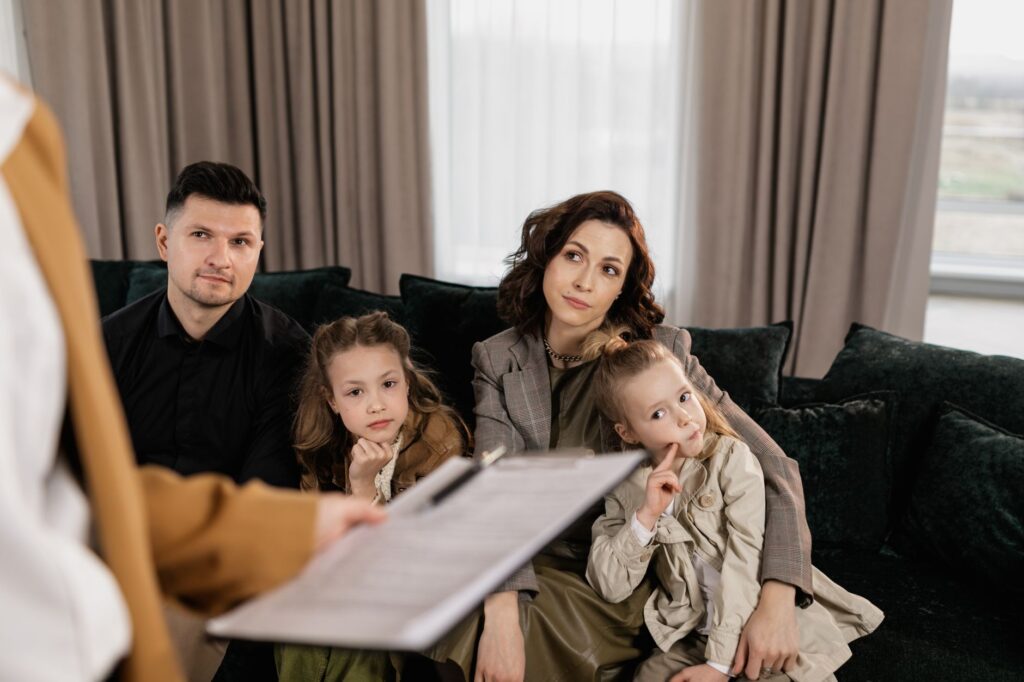
Obedience creates a foundation for a healthy family dynamic. Colossians 3:20 advises, “Children, obey your parents in everything, for this pleases the Lord.” This verse highlights that obedience is not only beneficial for the child but also aligns with God’s desire for harmony within the family. When children actively engage in obedience, it fosters an environment of love and respect that can enhance communication and reduce conflict.
In a family where obedience is practiced, children feel secure and valued, leading to open lines of communication. Parents are more likely to respond positively to children who show respect for their authority, creating a nurturing environment where both parties feel understood and appreciated. This mutual respect can significantly impact the overall atmosphere of the household.
Conflict is a natural part of family life, but obedience can play a critical role in resolving disputes. When children are taught to honor their parents, they are also learning how to navigate disagreements respectfully. Proverbs 15:1 states, “A gentle answer turns away wrath, but a harsh word stirs up anger.” This principle applies to family interactions, where the practice of obedience can lead to more constructive conversations in times of conflict.
In essence, obedience can promote a culture of love and understanding within the family. By acknowledging parental authority, children learn to approach conflicts with grace and humility, which can lead to reconciliation and stronger relationships. This dynamic is not only beneficial for family harmony but also reflects God’s desire for unity among His people.
While obedience is essential, it is equally important to understand the spiritual implications of disobedience. Ephesians 6:4 urges parents to “bring them up in the training and instruction of the Lord,” indicating that parents have a responsibility to guide their children rightly. However, when children choose to disobey, they may not only hinder their own spiritual growth but also affect their parents’ ability to fulfill this divine mandate.
Disobedience can lead to a range of negative consequences, both relationally and spiritually. Hebrews 12:11 reminds us, “No discipline seems pleasant at the time, but painful. Later on, however, it produces a harvest of righteousness and peace for those who have been trained by it.” This highlights the importance of discipline in learning obedience and the potential spiritual fruit that can result from it.
Even in cases of disobedience, Scripture provides a pathway to restoration. 1 John 1:9 encourages believers, stating, “If we confess our sins, he is faithful and just and will forgive us our sins and purify us from all unrighteousness.” For children who struggle with obedience, understanding that they can seek forgiveness from both their parents and God is crucial for their spiritual journey.
This process of repentance and seeking forgiveness can strengthen a child’s relationship with their parents and with God. It teaches them the importance of humility and the grace that comes from acknowledging one’s mistakes, ultimately leading to a deeper understanding of God’s love and mercy. The journey of obedience and disobedience is not merely about rules but about fostering a relationship with God and family that reflects His character.
The Bible emphasizes the importance of obeying parents in several verses, most notably in Ephesians 6:1-3 and Colossians 3:20. These verses highlight obedience as a foundational aspect of honoring family relationships.
While the Bible calls for obedience, situations involving harm or abuse may necessitate setting boundaries. The priority should always be on personal safety and well-being.
Adult children can honor their parents by maintaining respectful communication, seeking their advice, and expressing gratitude. Even as adults, the principles of honor and respect remain vital.
Disagreement is natural, but it’s essential to approach these conversations with respect. Express your views calmly, and seek to understand their perspective while maintaining a respectful attitude.
Obeying parents is a biblical principle that carries significant weight in our spiritual lives. It is an expression of love, respect, and honor that fosters healthy family relationships. By understanding the Scriptures surrounding this topic and applying them to our lives, we can navigate the complexities of family dynamics and reflect Christ’s love in our interactions.
Weekly encouragement
Free Bible study guides, prayer help and a verse to carry through your week. No spam, unsubscribe anytime.


Join the conversation