Bible Verse About Watching What You Say
Discover the wisdom in the bible verse about watching what you say to empower your speech and enhance relationships.
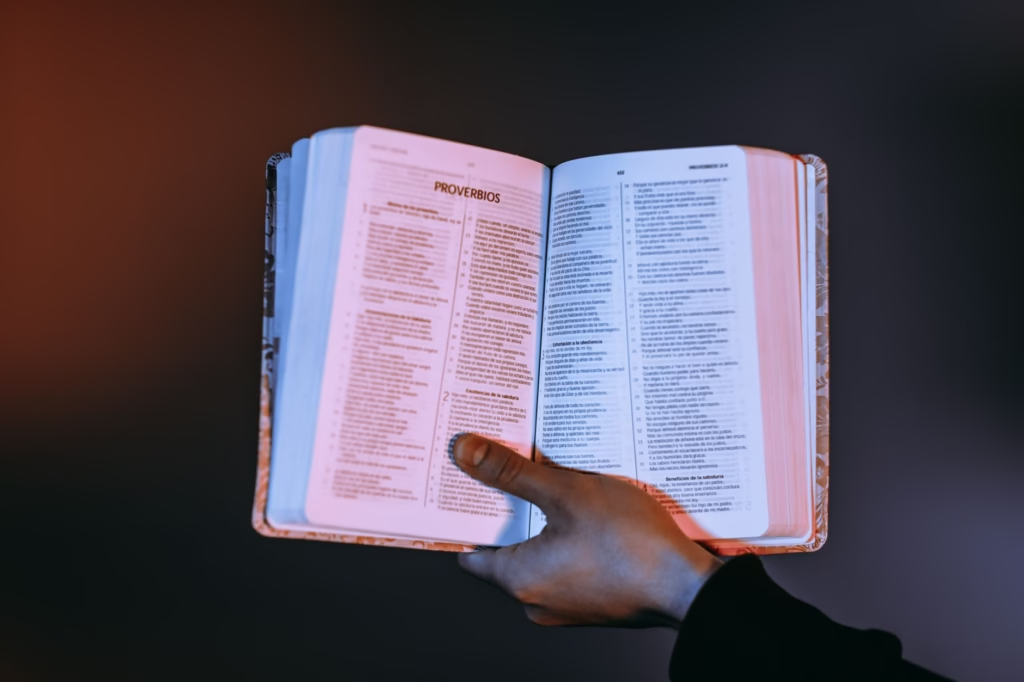
Short answer: Proverbs 18:21 states, 'Death and life are in the power of the tongue,' emphasizing the importance of guarding our words. Additionally, James 3:5-6 compares the tongue to a spark that can ignite great fires, highlighting how careful speech can create positive or negative consequences.
Bible Verse About Watching What You Say: Guarding Your Words with Wisdom
In a world where words often fly faster than our thoughts can catch them, the importance of speaking wisely has never been more crucial. From casual conversations to public discourse, what we say can have a profound impact on others and ourselves. Fortunately, the timeless messages of the Bible provide guidance on how to wield the power of speech responsibly. This blog post explores key Bible verses that emphasize the importance of watching what you say, offering insights and practical advice for mindful communication.
Understanding the Power of Words
The Bible repeatedly underscores the potent nature of words, acknowledging both their ability to uplift and their potential to harm:
- Proverbs 18:21 – “Death and life are in the power of the tongue, and those who love it will eat its fruits.” This verse vividly captures the dual nature of our words, highlighting a profound truth: what we say can either build or destroy.
- James 3:5-6 – “Likewise, the tongue is a small part of the body, but it makes great boasts. Consider what a great forest is set on fire by a small spark. The tongue also is a fire…” Illustrated vividly, James draws a powerful analogy between the tongue and a spark, emphasizing its potential to initiate considerable consequences, both positive and negative.
Why Words Matter: The Biblical Perspective
The Bible stresses the significance of our words not only in terms of outcome but also with respect to morality and character. Here are some key considerations:
- Words Reflect the Heart: As stated in Luke 6:45 – “A good man brings good things out of the good stored up in his heart… For the mouth speaks what the heart is full of.” Our words can be seen as an extension of our inner thoughts and principles, making it crucial for them to align with virtues such as kindness and honesty.
- Relational Impact: Proverbs 15:1 – “A gentle answer turns away wrath, but a harsh word stirs up anger.” Seasoned advice from Proverbs reminds us of the relational power of words. How we communicate can either diffuse or escalate conflict.
Practical Steps to Guard Your Speech
To embody a mindful approach towards speaking, consider the following actionable steps, inspired by biblical wisdom:
- Pause Before Speaking: Reflect on Proverbs 29:20 – “Do you see someone who speaks in haste? There is more hope for a fool than for them.” Taking a moment to consider your words can prevent unnecessary strife and misunderstanding.
- Speak with Intent: Aim for words that align with encouragement and truth, mindful of Ephesians 4:29 – “Do not let any unwholesome talk come out of your mouths, but only what is helpful for building others up…” This advice guides us to choose words that are constructive and supportive.
- Seek Divine Guidance: Prayer and reflection on Scripture can be powerful tools for speech improvement, as seen in Psalm 141:3 – “Set a guard over my mouth, Lord; keep watch over the door of my lips.” This verse is a reminder to actively seek divine assistance in maintaining verbal discipline.
The Transformative Influence of Mindful Speech
Mastering the art of communication as taught by biblical principles does not only enhance personal relationships but also fosters a community grounded in respect and compassion:
- Creates a Positive Environment: When we make a conscious effort to speak with empathy and thoughtfulness, it cultivates an environment where others feel valued and understood.
- Influence and Legacy: The way you use words can become an enduring aspect of your influence. Colossians 4:6 – “Let your conversation be always full of grace, seasoned with salt, so that you may know how to answer everyone.” This verse advises on balancing grace and wisdom in our dialogues, ensuring that interactions are both impactful and gracious.
Conclusion: Speak Life into the World
In conclusion, the Bible offers rich, enduring wisdom to guide us in using our words wisely. By embodying biblical teachings about communication, individuals can ensure their speech reflects both their intentions and their faith, contributing positively to the world around them. As you go forth, remember the transformative power of words — to inspire, heal, and connect, or to divide. Choose to speak life and wisdom, yielding not only personal growth but also enriching the lives of those you touch.
Whether you are striving for personal growth or aiming to lead by example, let your words be the light that guides you in life’s journey. Embrace the teachings of Scripture as you navigate the many conversations that shape your days and ultimately, your legacy.
Key Takeaways
- Words can either uplift or cause harm, as stated in Proverbs 18:21.
- The tongue has the potential for great influence, highlighted in James 3:5-6.
- Mindful speech reflects one's heart, based on Luke 6:45.
- Using encouraging words fosters positive relationships, as per Proverbs 15:1.
Practice Mindful Communication
Pause before you speak to reflect on your words, as advised in the bible verse about watching what you say. Align your speech with kindness and truth, guided by Ephesians 4:29.
Frequently Asked Questions
What does the Bible say about the power of words?
The Bible teaches that 'death and life are in the power of the tongue' (Proverbs 18:21), emphasizing how words can significantly impact others.
How can I ensure my speech is constructive?
Aim to speak words that are helpful for building others up, following Ephesians 4:29 which encourages encouraging and truthful communication.
What should I do when I feel angry and want to speak harshly?
Proverbs 15:1 advises that 'a gentle answer turns away wrath,' encouraging you to choose your words carefully in conflict.
How can I seek God's help in my speech?
Pray and reflect on Scripture, as Psalm 141:3 reminds us to ask the Lord to 'set a guard over my mouth,' helping us to maintain discipline in our speech.
The Bottom Line
Speaking thoughtfully can transform relationships and impact those around us. Choose to engage with words that build up and inspire, reflecting your values and faith in every conversation.
Keep reading
More Bible Verses by Topic →



Weekly encouragement
Grow in the Word, one email at a time.
Free Bible study guides, prayer help and a verse to carry through your week. No spam, unsubscribe anytime.
Join the conversation