Bible Verse About Electing Leaders
Review the bible verse about electing leaders to gain wisdom for making informed electoral decisions grounded in faith.
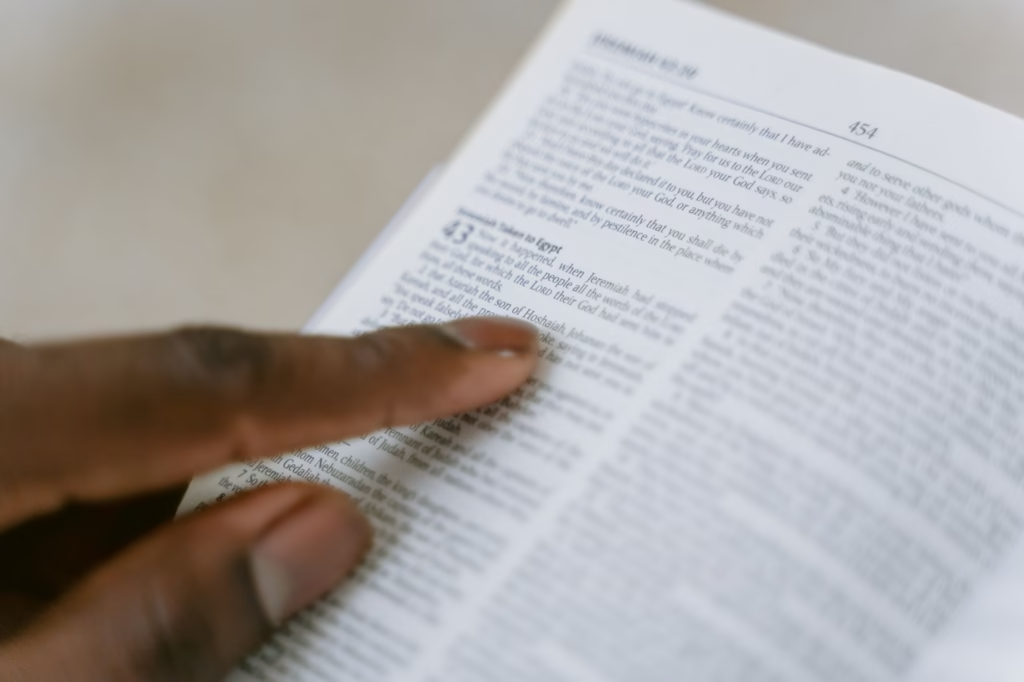
Short answer: The Bible provides guidance on electing leaders, emphasizing wisdom, integrity, and servant leadership. Key verses include Proverbs 8:15-16, which highlights the importance of wisdom for rulers, and Matthew 20:26, which reminds us that true greatness comes from serving others.
Bible Verse About Electing Leaders: A Guide for Faithful Decision-Making
In times of political fervor, the faithful often seek guidance not just from statutes and debates, but from the Word of God. The Bible, while primarily a spiritual and moral guide, offers timeless wisdom on leadership—an aspect that’s crucial even in today’s political landscape. This blog post delves into what the bible verse about electing leaders says, providing both spiritual and practical insights for anyone navigating the complex world of elections and governance.
Understanding Biblical Leadership
The Bible contains numerous passages that touch on leadership and governance. It doesn't offer explicit instructions on voting in democratic systems, as these did not exist in biblical times. However, the principles laid out in the Scriptures can still guide believers in making informed decisions.
Key Characteristics of Leaders According to the Bible:
Wisdom and Discernment
- Proverbs 8:15-16: "By me kings reign and rulers issue decrees that are just; by me princes govern, and nobles—all who rule on earth."
- Leaders are encouraged to seek wisdom, not only for their benefit but for the just governance of their people.
Integrity and Justice
- Proverbs 16:12: "Kings detest wrongdoing, for a throne is established through righteousness."
- A leader's integrity is crucial for establishing trust and ensuring justice.
Humility and Service
- Matthew 20:26: "Not so with you. Instead, whoever wants to become great among you must be your servant."
- True leadership is about serving others, not seeking personal gain.
The Role of Faith in Elections
Faith plays a critical role in how one perceives and interacts with the political world. Christians are called to embody attributes such as love, patience, and humility even in contentious environments like elections.
Guiding Principles:
Prayerful Consideration
- James 1:5 advises believers to seek divine wisdom. Praying for guidance ensures one is aligning their choices with God's will.
Community and Counsel
- Proverbs 11:14 states, "Where there is no guidance, a people falls, but in an abundance of counselors, there is safety." Engaging with community leaders and church members can provide valuable perspectives.
Evaluating Leaders’ Character and Policies
- Reflecting on whether a potential leader's values and policies align with biblical teachings can inform someone's voting decisions.
Practical Application: Going Beyond Scripture
While the Bible offers foundational guidance, practically applying these principles involves balancing scriptural insights with an informed awareness of current affairs.
Steps to Electing Leaders Wisely:
Educate Yourself: Learn about the candidates’ platforms, history, and policies. Compare these with biblical values.
Engage in Civil Discourse: Participate in discussions, forums, and debates. Offer and accept insights respectably and thoughtfully.
Exercise Your Right to Vote: Engage in the democratic process as a responsibility and privilege, acting with the awareness that your vote is a reflection of your values.
Conclusion: Biblically Inspired Decision-Making
Electing leaders is a responsibility imbued with both civic and moral significance. The Bible, though written in a different era, offers an enduring perspective on what makes a good leader. Focusing on wisdom, integrity, and servant leadership while engaging in prayer and community guidance can help believers navigate elections meaningfully.
As you prepare to cast your vote, consider these biblical principles and reflect on how your choices align with your faith. Remember, in a world bustling with differing opinions and narratives, the Word remains a steadfast guide, illuminating the path towards informed and faithful decision-making.
By internalizing these scriptural teachings, believers can approach elections not just as a civic duty, but as an extension of their commitment to living a life that honors God and serves humanity.
Key Takeaways
- Seek wisdom and discernment from God in leadership selection.
- Focus on integrity and justice for trustworthy governance.
- Emphasize humility and service as key leadership traits.
- Engage in prayer and community for guidance in electoral decisions.
Applying Biblical Principles in Elections
Educate yourself on candidates’ values and policies to align your voting with biblical teachings. Engage in civil discourse and prayerfully consider your choices to reflect your faith.
Frequently Asked Questions
What does the Bible say about leadership?
The Bible emphasizes the qualities of wisdom, integrity, and service in leaders, seen in verses such as Proverbs 16:12 and Matthew 20:26.
How should Christians approach voting?
Christians are encouraged to pray for guidance, engage with their community, and evaluate candidates based on biblical values.
Are there specific verses that guide decision-making in elections?
Yes, key verses include James 1:5 for seeking wisdom and Proverbs 11:14 for the safety in counsel.
What role does integrity play in leadership according to the Bible?
Proverbs 16:12 states that kings detest wrongdoing, highlighting that integrity is essential for trust and establishing justice.
The Bottom Line
As you seek to elect leaders, let biblical principles guide your decisions. Embracing wisdom, integrity, and a heart for service can help you navigate the complexities of the political landscape with faith and conviction.
Keep reading
More Church & Community →


Weekly encouragement
Grow in the Word, one email at a time.
Free Bible study guides, prayer help and a verse to carry through your week. No spam, unsubscribe anytime.
Join the conversation