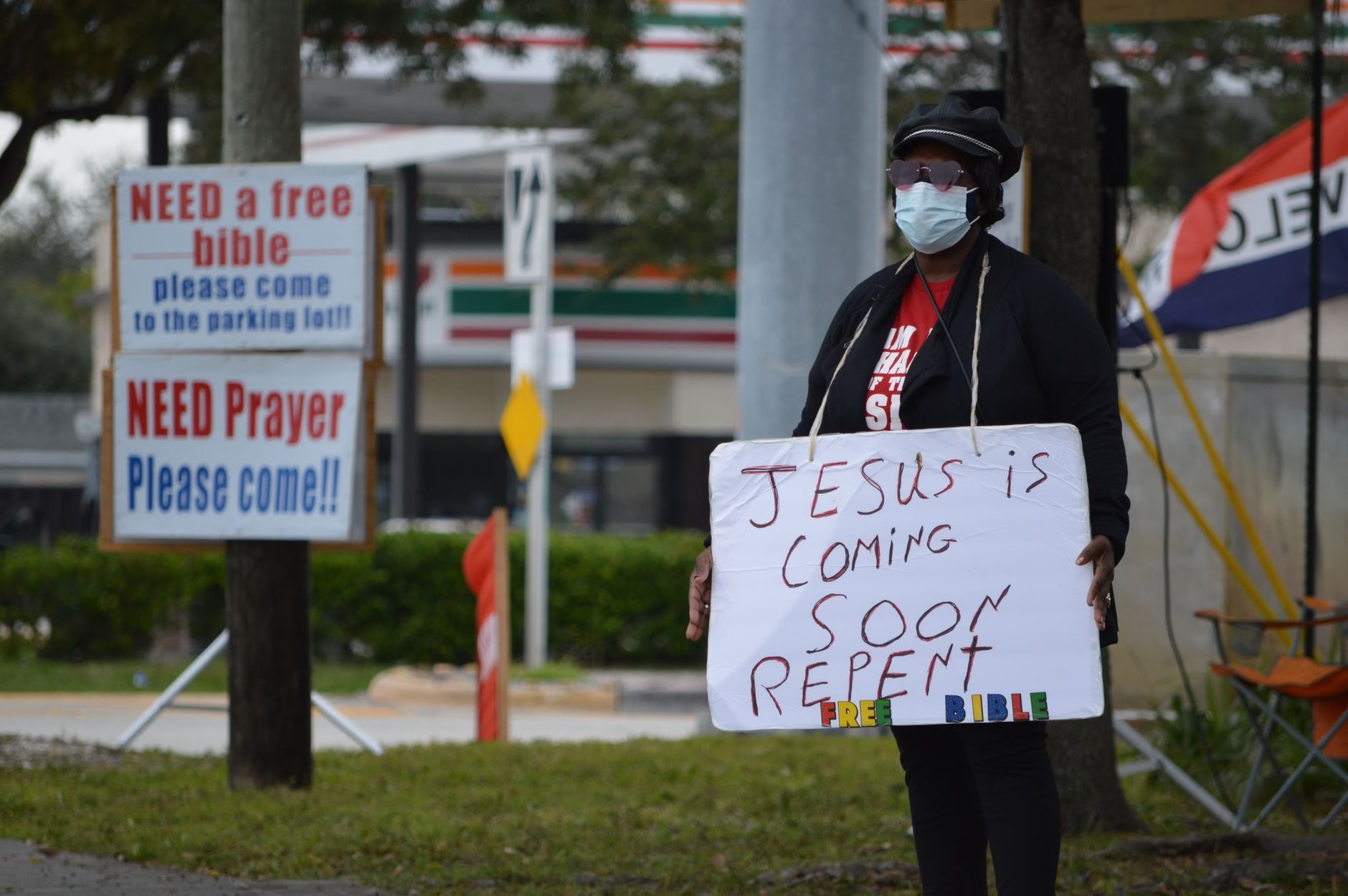
Be Careful What Comes Out of Your Mouth Bible Verse

BE CAREFUL WHAT COMES OUT OF YOUR MOUTH BIBLE VERSE

Table of Contents

Short answer: Be careful about what comes out of your mouth; Proverbs 18:21 states, "Death and life are in the power of the tongue…" This verse highlights the profound impact our words can have on ourselves and others.

Be Careful What Comes Out of Your Mouth: Understanding the Bible Verse

Words are powerful. They can build up, tear down, uplift, and injure. In the Bible, the importance of our speech is underscored in various verses, but none may resonate as deeply as Proverbs 18:21, which states, "Death and life are in the power of the tongue, and those who love it will eat its fruits." This verse reminds us that what we say can have profound effects—not just on others but also on ourselves.

In this blog post, we will explore the biblical teachings on speech, the significance of our words, and practical ways to use our speech constructively.

The Biblical Context of Speech

Proverbs: Wisdom Literature

The book of Proverbs is a collection of wise sayings that provide practical guidance for daily living. It emphasizes the significance of wisdom, and a major part of that wisdom involves how we communicate. Proverbs not only warns of the pitfalls of careless words but also offers counsel on using speech as a tool for positivity.

Key Verses on Speech

Beyond Proverbs 18:21, the Bible offers a variety of verses that reinforce the importance of our words. Here are a few notable examples:

  • James 3:5-6 – "Likewise, the tongue is a small part of the body, but it makes great boasts. Consider what a great forest is set on fire by a small spark."
  • Proverbs 12:18 – "The words of the reckless pierce like swords, but the tongue of the wise brings healing."
  • Ephesians 4:29 – "Do not let any unwholesome talk come out of your mouths, but only what is helpful for building others up according to their needs…"

These verses collectively emphasize the dual nature of our speech—the capacity to destroy or to uplift.

The Power of Words

Building Relationships

Using words thoughtfully strengthens our relationships. Consider these aspects:

  • Encouragement: A kind word can motivate and inspire someone going through a tough time.
  • Conflict Resolution: Careful speech can diffuse tense situations and foster understanding.
  • Trust: Honest and transparent communication builds trust, laying a foundation for lasting relationships.

Negative Impact of Words

Conversely, unguarded words can have disastrous outcomes:

  • Hurtful Remarks: A cruel word can scar someone emotionally and mentally.
  • Gossip and Rumors: Sharing unverified information can damage reputations and friendships.
  • Lies: Deceitful speech can lead to broken relationships and fractured trust.

Practical Ways to Guard Our Speech

Self-Reflection

Before speaking, ask yourself:

  • Is it true?
  • Is it helpful?
  • Is it kind?

Being mindful of these questions can guide us toward more constructive communication.

Active Listening

Practicing active listening can improve our communication skills. It allows us to understand others better and respond thoughtfully.

Seek Guidance

Rely on scripture for wisdom regarding your speech. Consider memorizing verses that inspire you to build others up and reflect positivity.

Model Good Communication

Be a role model in your community:

  • Use language that elevates others.
  • Share uplifting messages on social media.
  • Be patient and respectful, even in disagreements.

Conclusion

The words we speak hold incredible power—capable of shaping our lives and the lives of others in significant ways. As Scripture teaches, we must be acutely aware of what comes out of our mouths. Proverbs 18:21 is a call to understanding the consequences of our speech. Whether bringing life or death, our words can build bridges or barriers.

As we navigate our daily conversations, let us endeavor to choose our words carefully, harnessing their power to spread kindness, truth, and love. By doing so, we reflect a heart aligned with biblical wisdom, and we contribute positively to our communities and relationships.

Remember: Be careful what comes out of your mouth—it just might change someone's world for better or worse. What kind of change do you want to create today?

Key Takeaways

  • Words can either uplift or harm.
  • Proverbs 18:21 emphasizes the power of speech.
  • Using kind language fosters stronger relationships.
  • Practicing self-reflection enhances communication.

Guard Your Speech

Before speaking, consider if your words are true, helpful, and kind. This mindfulness can lead to more constructive communication every day.

Frequently Asked Questions

What does Proverbs 18:21 mean?

This verse teaches that our words have significant power, capable of bringing either life or death, influencing ourselves and others deeply.

Why is it important to be careful with our words?

Being cautious with our speech helps to avoid harm, fosters relationships, and promotes a positive environment.

What are some Bible verses about speech?

Notable verses include James 3:5-6 and Ephesians 4:29, emphasizing the importance of thoughtful and uplifting communication.

How can I improve my speech according to the Bible?

Practice self-reflection and active listening, seek wisdom from scripture, and model positive communication.

The Bottom Line

Our words hold great power, shaping lives in ways we may not always see. Let us strive to speak with kindness and truth, fostering a better world for everyone around us.


Share it :

Leave a Reply

Your email address will not be published. Required fields are marked *

Relationships

Be Careful What Comes Out of Your Mouth Bible Verse

July 30, 2025 · 4 Min Read · 0 Comments
f X W
Be Careful What Comes Out of Your Mouth Bible Verse

Short answer: Be careful about what comes out of your mouth; Proverbs 18:21 states, "Death and life are in the power of the tongue…" This verse highlights the profound impact our words can have on ourselves and others.

Be Careful What Comes Out of Your Mouth: Understanding the Bible Verse

Words are powerful. They can build up, tear down, uplift, and injure. In the Bible, the importance of our speech is underscored in various verses, but none may resonate as deeply as Proverbs 18:21, which states, "Death and life are in the power of the tongue, and those who love it will eat its fruits." This verse reminds us that what we say can have profound effects—not just on others but also on ourselves.

In this blog post, we will explore the biblical teachings on speech, the significance of our words, and practical ways to use our speech constructively.

The Biblical Context of Speech

Proverbs: Wisdom Literature

The book of Proverbs is a collection of wise sayings that provide practical guidance for daily living. It emphasizes the significance of wisdom, and a major part of that wisdom involves how we communicate. Proverbs not only warns of the pitfalls of careless words but also offers counsel on using speech as a tool for positivity.

Key Verses on Speech

Beyond Proverbs 18:21, the Bible offers a variety of verses that reinforce the importance of our words. Here are a few notable examples:

  • James 3:5-6 – "Likewise, the tongue is a small part of the body, but it makes great boasts. Consider what a great forest is set on fire by a small spark."
  • Proverbs 12:18 – "The words of the reckless pierce like swords, but the tongue of the wise brings healing."
  • Ephesians 4:29 – "Do not let any unwholesome talk come out of your mouths, but only what is helpful for building others up according to their needs…"

These verses collectively emphasize the dual nature of our speech—the capacity to destroy or to uplift.

The Power of Words

Building Relationships

Using words thoughtfully strengthens our relationships. Consider these aspects:

  • Encouragement: A kind word can motivate and inspire someone going through a tough time.
  • Conflict Resolution: Careful speech can diffuse tense situations and foster understanding.
  • Trust: Honest and transparent communication builds trust, laying a foundation for lasting relationships.

Negative Impact of Words

Conversely, unguarded words can have disastrous outcomes:

  • Hurtful Remarks: A cruel word can scar someone emotionally and mentally.
  • Gossip and Rumors: Sharing unverified information can damage reputations and friendships.
  • Lies: Deceitful speech can lead to broken relationships and fractured trust.

Practical Ways to Guard Our Speech

Self-Reflection

Before speaking, ask yourself:

  • Is it true?
  • Is it helpful?
  • Is it kind?

Being mindful of these questions can guide us toward more constructive communication.

Active Listening

Practicing active listening can improve our communication skills. It allows us to understand others better and respond thoughtfully.

Seek Guidance

Rely on scripture for wisdom regarding your speech. Consider memorizing verses that inspire you to build others up and reflect positivity.

Model Good Communication

Be a role model in your community:

  • Use language that elevates others.
  • Share uplifting messages on social media.
  • Be patient and respectful, even in disagreements.

Conclusion

The words we speak hold incredible power—capable of shaping our lives and the lives of others in significant ways. As Scripture teaches, we must be acutely aware of what comes out of our mouths. Proverbs 18:21 is a call to understanding the consequences of our speech. Whether bringing life or death, our words can build bridges or barriers.

As we navigate our daily conversations, let us endeavor to choose our words carefully, harnessing their power to spread kindness, truth, and love. By doing so, we reflect a heart aligned with biblical wisdom, and we contribute positively to our communities and relationships.

Remember: Be careful what comes out of your mouth—it just might change someone's world for better or worse. What kind of change do you want to create today?

Key Takeaways

  • Words can either uplift or harm.
  • Proverbs 18:21 emphasizes the power of speech.
  • Using kind language fosters stronger relationships.
  • Practicing self-reflection enhances communication.

Guard Your Speech

Before speaking, consider if your words are true, helpful, and kind. This mindfulness can lead to more constructive communication every day.

Frequently Asked Questions

What does Proverbs 18:21 mean?

This verse teaches that our words have significant power, capable of bringing either life or death, influencing ourselves and others deeply.

Why is it important to be careful with our words?

Being cautious with our speech helps to avoid harm, fosters relationships, and promotes a positive environment.

What are some Bible verses about speech?

Notable verses include James 3:5-6 and Ephesians 4:29, emphasizing the importance of thoughtful and uplifting communication.

How can I improve my speech according to the Bible?

Practice self-reflection and active listening, seek wisdom from scripture, and model positive communication.

The Bottom Line

Our words hold great power, shaping lives in ways we may not always see. Let us strive to speak with kindness and truth, fostering a better world for everyone around us.

0 Comments

Leave a Reply

Your email address will not be published. Required fields are marked *

Join Our Newsletter
Get Scripture, new articles, and Bible topics in your inbox.
Stay In The Word

Get Scripture and New Articles In Your Inbox

Join subscribers who receive daily verses and fresh Bible teaching from The Bible Teaches This.