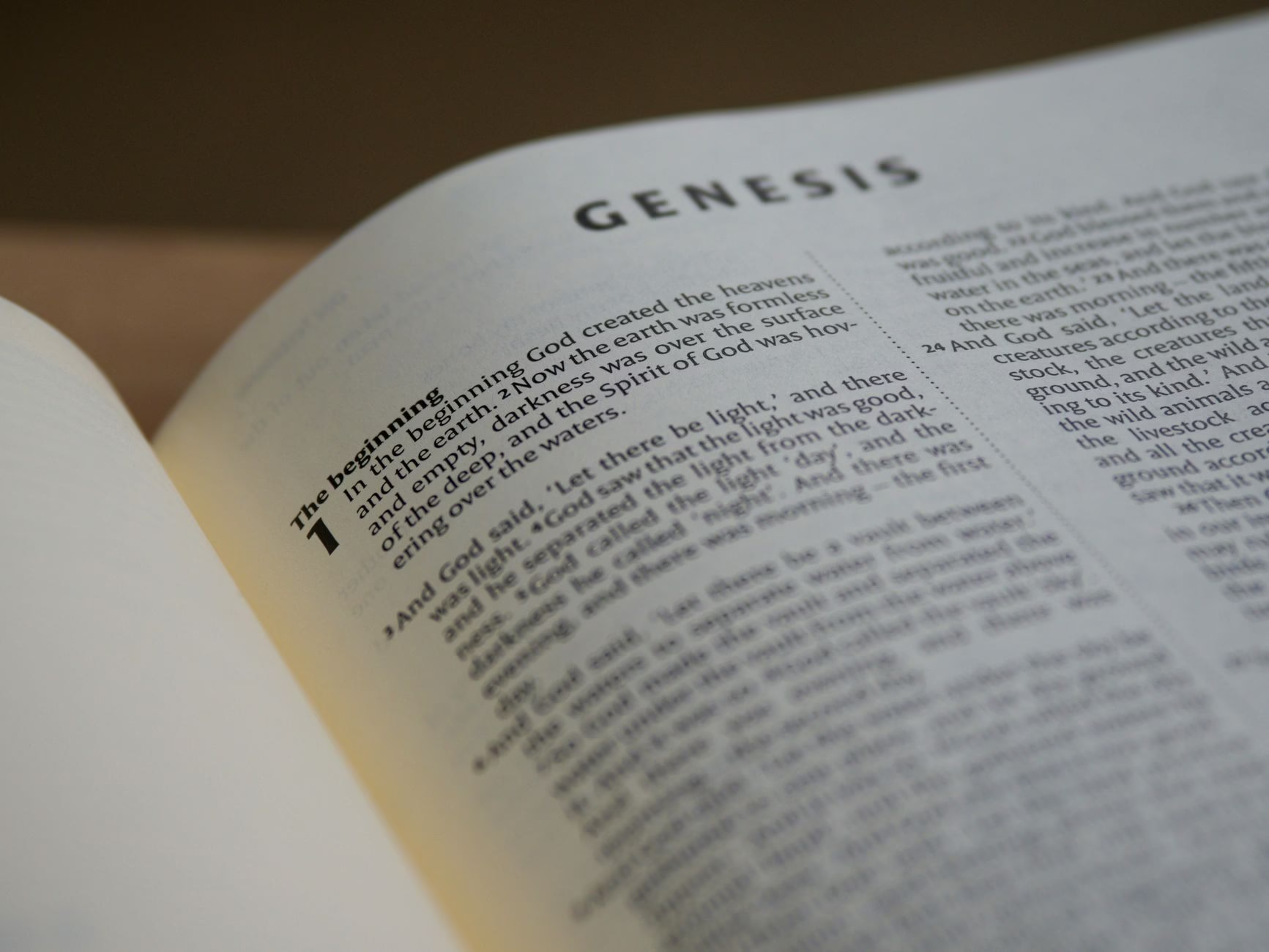
Short answer: The phrase 'As it was in the beginning, so shall it be in the end' captures the essence of biblical cyclicality, though not quoted verbatim in Scripture. Key verses reflecting this theme include Genesis 1:1 and Revelation 21:1, illustrating the journey from creation to renewal.
AS IT WAS IN THE BEGINNING, SO SHALL IT BE IN THE END: An Exploration of Biblical Cyclicality
The phrase "As it was in the beginning, so shall it be in the end" might not directly appear in the Bible as many might assume, but it resonates deeply with biblical themes of cyclicality and God's eternal nature. This concept draws us into an introspection of the biblical narrative, highlighting a profound understanding of time, history, and divine purpose. Join us as we navigate through scripture to unravel the richness encapsulated in this idea, exploring its implications for our understanding of the Bible and its significance in our lives today.
Understanding the Phrase: Historical Context
The phrase, while not verbatim in any biblical text, echoes several scripture passages, capturing the essence of God's eternal sovereignty and the cyclical nature of divine plans.
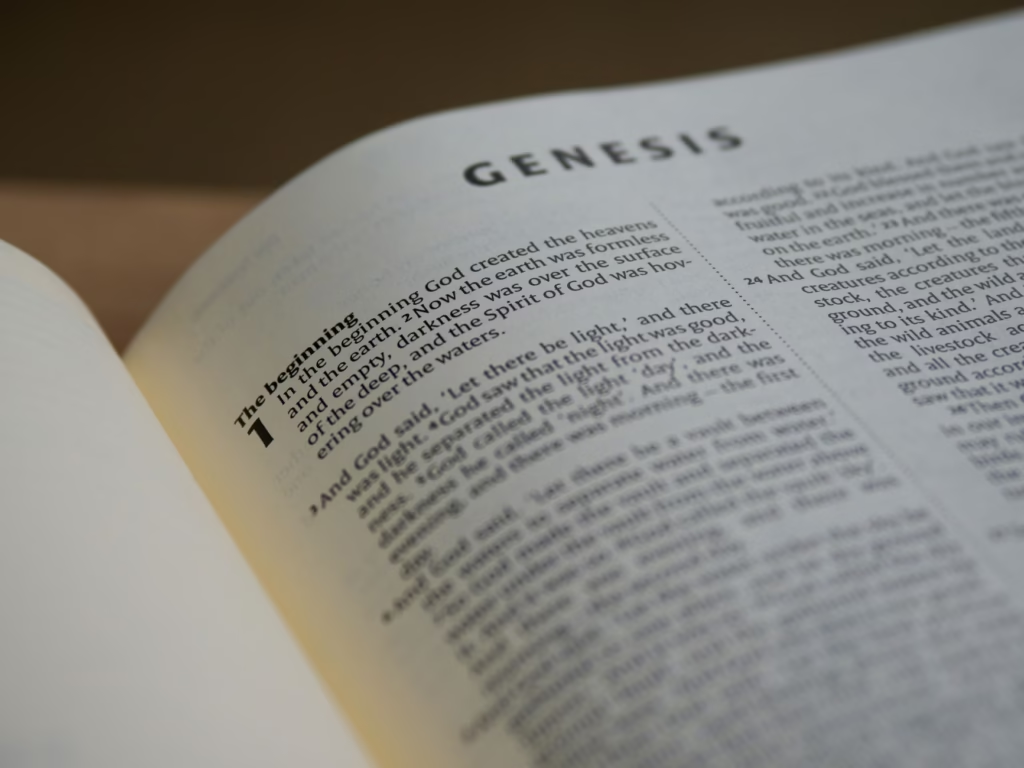
Revelation and Genesis: We see similar bookend themes in the Bible's first book, Genesis, and its last, Revelation. Genesis begins with the creation of heaven and earth, while Revelation ends with a vision of a new heaven and new earth (Genesis 1:1, Revelation 21:1). This thematic circle from inception to renewal represents the continuous and all-encompassing nature of God’s creation and redemption.
Ecclesiastical Insights: The book of Ecclesiastes presents life and its events as cyclic (Ecclesiastes 1:9). Solomon articulates the repetitive and transitory nature of life on earth, reminding us of the phrase's essence that history and divine plans move in recurring cycles.
Thematic Reflections in Biblical Scripture
The Bible is rich with stories and prophecies that mirror the concept of beginnings reflecting endings, reinforcing key theological truths.
Eternal God: In Isaiah 46:10, God declares the end from the beginning, emphasizing His omniscience and control over time itself. This unequivocally affirms that nothing occurs beyond God's will and purpose.
Alpha and Omega: In the Book of Revelation, Jesus refers to Himself as the Alpha and the Omega, the first and the last (Revelation 22:13). By aligning both the start and the finish of the Greek alphabet with Christ, this expression showcases Jesus's eternal presence and the cyclic completion He brings to God's plans.
Practical Implications for Contemporary Faith
Understanding the idea that "as it was in the beginning, so shall it be in the end" allows believers to grasp a sense of continuity and trust in God’s plan, nurturing faith and patience amidst life’s uncertainties.
Hope and Assurance: The cyclical nature implies that despite present challenges, God's overarching plan moves towards restoration and fulfillment.
Reflection and Growth: Recognizing life's cyclical patterns encourages introspection and spiritual growth. By identifying and analyzing our own life’s cycles, we learn to adopt biblical wisdom and align with God’s purposes.
Trust in Divine Timing: This awareness can foster patience and obedience, reassuring believers that each season holds value and significance within the tapestry of God’s eternal design.
Conclusion: Embracing the Eternal Narrative
The phrase "As it was in the beginning, so shall it be in the end," transcends mere theological discourse, inviting us into an intimate relationship with the divine narrative that shapes our existence. By understanding this eternal cycle, we embrace a fresh confidence in the promises of God that are immutable and eternal. As believers continue to journey forward, this theme nurtures a profound sense of hope and expectation, rooted in the assured unfolding of God's perfect plan.
Understanding the biblical perspective of beginnings and endings offers immense comfort and hope, reminding us that in God’s timeline, every ending is but a new beginning. Let us, therefore, anchor our lives in this timeless truth, confident in the continuity of God’s loving purposes.
For more insights on biblical themes and their relevance to our lives, be sure to subscribe to our blog. Let’s explore and grow together in our understanding of God’s Word.
Key Takeaways
- The Bible illustrates a cyclical nature of beginnings and endings through its narrative.
- Genesis and Revelation frame God's creation and new creation, emphasizing continuity.
- Ecclesiastes 1:9 reflects on the repetitive cycle of life, encouraging reflection.
- Isaiah 46:10 assures believers of God's control over history from beginning to end.
Embrace the Cyclicality
Reflect on your life's cycles to find spiritual growth and alignment with God's purposes. Remember that every ending heralds a new beginning in His divine plan.
Frequently Asked Questions
What does 'As it was in the beginning, so shall it be in the end' mean?
This phrase reflects the biblical theme of cyclicality, suggesting that God's eternal nature governs history, linking creation to redemption.
Where can I find verses supporting this theme?
Key verses include Genesis 1:1, which speaks of creation, and Revelation 21:1, which describes the new creation, both emphasizing God’s continuous plan.
How does Ecclesiastes relate to this idea?
Ecclesiastes 1:9 discusses the repetitive nature of life, echoing the sentiment that history often cycles back, reinforcing that God’s purposes are unchanging.
How can understanding this concept help my faith?
Recognizing the cyclical nature of God's plans can provide comfort and assurance, encouraging patience and trust in His timing and purpose.
The Bottom Line
Understanding the continuity of God's plan can fill your heart with hope and assurance. Embrace each cycle in your life as a step closer to His eternal purpose, knowing that He is always in control.