Bible Verses About Bugs
Discover Bible verses about bugs that offer valuable life lessons, highlighting themes of hard work, humility, and divine judgment.
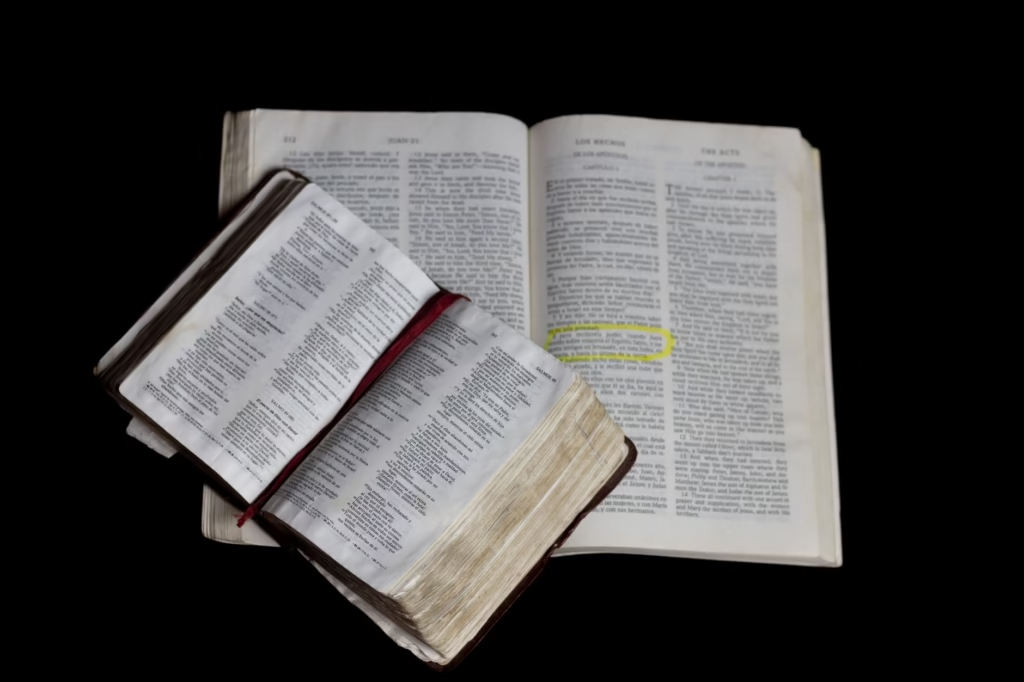
Short answer: Bible verses highlight the significance of small creatures like bugs. Key verses include Exodus 10:12-15 about locusts and Proverbs 6:6-8 emphasizing the industriousness of ants.
Bible Verses About Bugs: Divine Lessons from Nature's Smallest Creatures
The Bible is a treasure trove of wisdom, lessons, and guidance for life. Among its many narratives and teachings are intriguing references to nature, particularly bugs. At first glance, you might question the relevance or significance of these tiny creatures in the grand scheme of divine scripture. However, as we delve deeper, it becomes apparent that even the smallest creatures have profound roles and lessons embedded within biblical texts.
Bugs in Biblical Times: An Overview
Before diving into specific verses, it's essential to understand the context of bugs during biblical times. Ancient societies were largely agrarian, and insects played significant roles in their daily lives, affecting crops, clothing, and health. These creatures were often seen as both pests and parables, embodying larger spiritual truths.
The Role of Locusts
Locusts are perhaps the most frequently mentioned insects in the Bible, often symbolizing destruction and divine judgment. Their appearances in scripture carry important messages.
Exodus 10:12-15: The story of the plagues of Egypt prominently features locusts as a tool of God's wrath. In this dramatic narrative, a swarm of locusts was sent to destroy the crops and fields of Egypt, sparking Pharaoh’s eventual decision to free the Israelites. This passage underscores the sovereignty of God over nature and nations.
Joel 2:25: This verse speaks of God restoring what the locusts have consumed, symbolizing hope and renewal. It reminds us that even after devastation, there is the promise of restoration.
Ants: Models of Industriousness
While locusts often bring images of ruin, ants are depicted quite differently. Ants in the Bible are symbols of hard work and persistence.
- Proverbs 6:6-8: "Go to the ant, you sluggard; consider its ways and be wise!" This verse highlights the industrious and diligent nature of ants, encouraging readers to emulate their work ethic. Ants gather food during harvest and prepare for the times of scarcity, teaching lessons about foresight and discipline.
Flies and Gnats: Signifiers of Annoyance and Judgment
Flies and gnats, much like locusts, are often symbols of nuisance and judgment.
Exodus 8:21-24: Another of Egypt's plagues involved swarms of flies that invaded the land, underscoring the theme of divine judgment and the chaotic consequences of disobedience.
Matthew 23:24: In the New Testament, gnats represent minor issues clouding one's judgment. Jesus used this analogy to criticize the Pharisees for focusing on trivial matters while ignoring significant spiritual truths, saying they “strain out a gnat but swallow a camel."
Nature as a Reflection of Divine Order
The inclusion of insects in the Bible is not arbitrary; rather, it illustrates the interconnectedness of all creation and the divine order. Each creature, no matter how small, has a purpose and contributes to the overarching narrative of God’s world.
Lessons in Humility and Obedience
Insects, often overlooked due to their size, remind us of humility. They also serve as examples of obedience to divine will, as seen in their adherence to the cycles and systems of nature orchestrated by God.
Teaching through Parables
Many biblical references to bugs serve as parables, using familiar elements of nature to impart spiritual truths. These narratives offer a lens through which we can view our own lives, encouraging us to reflect on our actions and relationship with the divine.
Conclusion: Embracing the Small Lessons
In conclusion, while bugs may seem like inconsequential elements at first glance, they embody significant teachings throughout the Bible. Whether representing judgment through locusts, hardworking diligence via ants, or the nuisances of life apparent in flies and gnats, these creatures offer timeless lessons.
Embracing these teachings can inspire us to appreciate the intricacy of God’s creation and the depth of biblical wisdom. As we encounter insects in our daily lives, let us remember the biblical narratives they are part of, reminding us of humility, perseverance, and the ever-present hand of divine providence guiding all of creation.
Key Takeaways
- Locusts symbolize judgment and destruction (Exodus 10:12-15).
- Ants represent hard work and diligence (Proverbs 6:6-8).
- Flies and gnats illustrate minor issues clouding judgment (Matthew 23:24).
- Bugs reflect humility and obedience in God's creation.
Reflect on Nature's Lessons
Take time to observe the smallest creatures around you. Consider how they can teach you about perseverance, humility, and the divine order of creation.
Frequently Asked Questions
What do locusts represent in the Bible?
Locusts often symbolize divine judgment and destruction, particularly in narratives like the plagues of Egypt (Exodus 10:12-15).
How are ants portrayed in Scripture?
Ants are depicted as models of hard work and preparation, encouraging diligence as found in Proverbs 6:6-8.
What is the significance of flies and gnats in biblical texts?
Flies and gnats represent nuisances and minor issues that distract from more significant spiritual truths, exemplified in Matthew 23:24.
What overall lessons do bugs teach us in the Bible?
Bugs in the Bible remind us of humility, industriousness, and God's overarching design and purpose in creation.
The Bottom Line
Bugs may be small, but their biblical stories are filled with profound lessons. As we consider their roles, let us remember the intricate wisdom they convey about life, perseverance, and faith.
Keep reading
More Bible Verses by Topic →



Weekly encouragement
Grow in the Word, one email at a time.
Free Bible study guides, prayer help and a verse to carry through your week. No spam, unsubscribe anytime.
Join the conversation