Bible Verses for Children’s Room: Creating a Faith-Filled Space
Discover uplifting Bible verses for children's room decor that inspire faith and positivity in their everyday lives.

Key Takeaways
- Incorporate scripture for daily encouragement.
- Create a peaceful and loving environment.
- Inspire children with God's promises.
- Foster a habit of faith from a young age.
Creating a Faith-Filled Environment
As parents and caregivers, we have a unique opportunity to shape the spiritual environment of our children. The space they inhabit, particularly their bedroom, can serve as a sanctuary that reflects their faith and encourages their growth as individuals. By incorporating Bible verses into their room, we provide them with daily reminders of God’s love, guidance, and promises.
When choosing Bible verses for children’s rooms, consider the messages and themes that resonate with young hearts. Verses that speak of love, courage, and hope can instill a sense of peace and security. Furthermore, these verses can be displayed through wall art, framed prints, or even handmade crafts, making them visually appealing and accessible to children.
In this article, we will explore various Bible verses that are perfect for children’s rooms, along with practical suggestions for how to creatively incorporate them into their space.
Choosing the Right Verses
Choosing Bible verses for children’s rooms involves considering their age, understanding, and the specific messages you want to convey. Here are some popular themes and corresponding verses that can serve as a foundation for your selection:
- Love: “We love because he first loved us.” (1 John 4:19)
- Strength and Courage: “Be strong and courageous. Do not be afraid; do not be discouraged, for the Lord your God will be with you wherever you go.” (Joshua 1:9)
- Peace: “The Lord bless you and keep you; the Lord make his face shine on you and be gracious to you.” (Numbers 6:24-25)
- Joy: “The joy of the Lord is your strength.” (Nehemiah 8:10)
When selecting verses, think about how they will inspire and uplift your child. For instance, if your child is struggling with anxiety, verses that speak of God’s reassurance and strength may be particularly beneficial.
Creative Ways to Display Scripture
Once you have chosen the verses, the next step is to creatively display them in the children’s room. Here are several ideas:
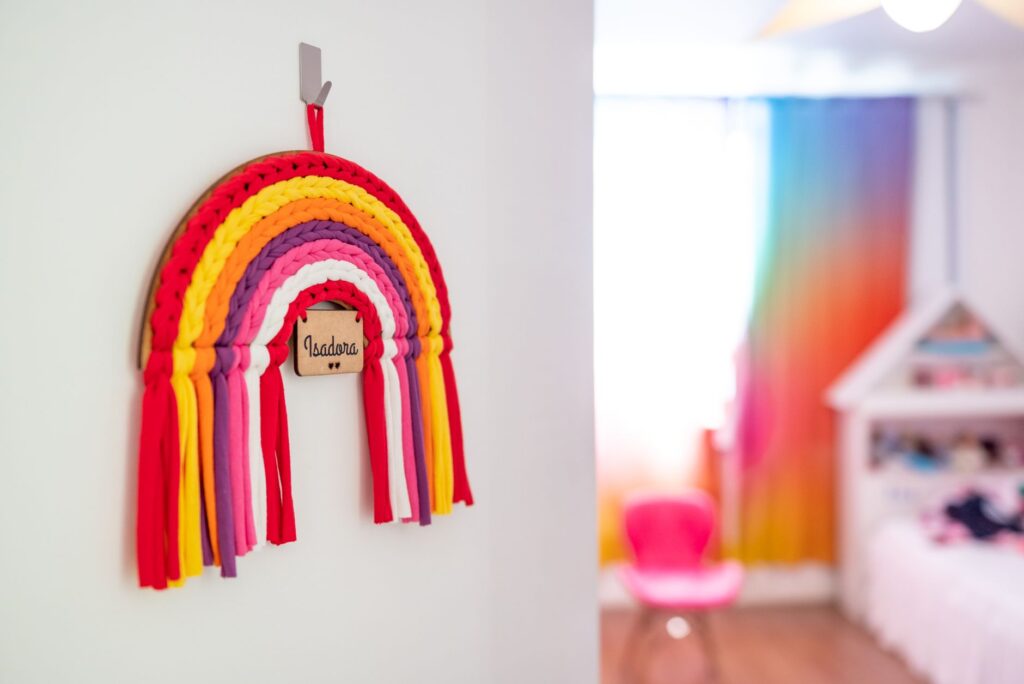
- Wall Art: Create or purchase framed wall art featuring the selected verses. Bright colors and fun designs can make the scripture visually appealing.
- DIY Projects: Engage your child in making scripture art together. Use canvas, paint, or even paper crafts to create personalized decorations.
- Vinyl Decals: Consider using removable vinyl decals that can be applied directly to the walls. These can be fun and easy to change as your child grows.
- Scripture Banners: Hang a decorative banner with selected verses. This can be a fun, colorful addition to their room.
By involving your child in the process, you not only create a beautiful space but also encourage them to reflect on the meaning of the verses displayed.

Teaching Children About the Verses
Simply displaying Bible verses is not enough; it’s essential to teach children the meaning behind the scriptures. Here are some practical tips:
- Daily Reflection: Set aside a few minutes each day to read and discuss one of the displayed verses. Ask your child what they think it means and how it applies to their life.
- Storytelling: Use stories from the Bible that relate to the verses. This can help children understand the context and significance of the scriptures.
- Memorization: Encourage your child to memorize their favorite verses. This will help instill the teachings in their hearts and minds.
By fostering a habit of reflection and discussion, you help your child internalize the messages of love, hope, and faith found in the Bible.
Encouraging Positive Affirmations
In addition to Bible verses, consider incorporating positive affirmations that align with biblical teachings. Here are some examples:
- “I am loved by God.”
- “I am brave and strong because God is with me.”
- “I bring joy to my family and friends.”
- “I am a blessing to others.”
Affirmations can be displayed alongside Bible verses, encouraging children to speak positively about themselves and their lives. This practice can significantly enhance their self-esteem and reinforce their identity as beloved children of God.
Creating a Peaceful Atmosphere
A child’s room should be a place of peace and comfort. The atmosphere can be enhanced by using Bible verses that reflect themes of calmness and serenity. Verses such as:
- “Cast all your anxiety on him because he cares for you.” (1 Peter 5:7)
- “Peace I leave with you; my peace I give you.” (John 14:27)
These verses can be integrated into a bedtime routine, where you read them aloud to your child, reinforcing the message of God’s peace and care.
Incorporating Nature and God’s Creation
Nature is a beautiful reminder of God’s creativity and power. Incorporating elements of creation into the children’s room can provide a sense of wonder and appreciation for God’s handiwork. Here are some ideas:
- Nature-themed Art: Use artwork that depicts scenes from nature, accompanied by verses like “For since the creation of the world God’s invisible qualities, his eternal power and divine nature, have been clearly seen.” (Romans 1:20).
- Plants: Adding plants can symbolize life and growth. You might also consider verses that speak to God’s provision, such as “Look at the birds of the air; they do not sow or reap or store away in barns, and yet your heavenly Father feeds them.” (Matthew 6:26).
- Nature Walks: Take nature walks with your child, discussing how creation reflects God’s greatness. Encourage them to find a verse that resonates with their experience.
By connecting scripture to the beauty of creation, children can develop a deeper appreciation for both God and the world around them.
Incorporating Bible Stories into Room Decor
Wall Art Inspired by Biblical Narratives
One of the most engaging ways to fill a child’s room with faith is by using wall art that depicts beloved Bible stories. For example, images of Noah’s Ark can remind children of God’s promise and faithfulness (Genesis 9:12-13). Consider using vibrant colors and playful designs to capture their imagination while teaching them about God’s love and protection.
Additionally, murals or wall decals illustrating stories such as David and Goliath can instill courage and faith in children, reminding them that they can face their own giants with God’s help (1 Samuel 17:45-47). Encourage your child to explore these stories further, discussing the lessons they impart and how they can apply them in their daily lives.
- Noah’s Ark: God’s promise and faithfulness
- David and Goliath: Courage and faith
- Jesus Calms the Storm: Trusting God in difficult times (Mark 4:39)
Interactive Storytelling Elements
Incorporating interactive elements into the decor can turn a child’s room into a space of learning and engagement. For instance, a reading nook filled with Bible storybooks can encourage children to delve deeper into the Word. Books about Jesus, his parables, or the adventures of the apostles can be both entertaining and educational (Luke 2:19).
Another idea is to create a dedicated space for storytelling, perhaps with a cozy chair and a small shelf. You can invite your child to retell their favorite stories, helping them internalize the lessons and truths found in Scripture. This practice not only nurtures their imagination but also strengthens their understanding of God’s Word.
- Reading nook with Bible storybooks
- Cozy chair for storytelling
- Story retelling sessions with family
Utilizing Scripture for Personal Growth and Character Building
Choosing Verses that Promote Virtues
Choosing specific verses that highlight virtues can help in shaping a child’s character. For instance, Philippians 4:8 encourages children to think about things that are true, noble, right, pure, lovely, and admirable. By displaying this verse in their room, you’re reminding them to focus on positivity and goodness in their thoughts and actions.
Another important virtue is kindness, which can be emphasized through Ephesians 4:32. This verse teaches children the importance of being kind and compassionate to one another, reflecting God’s love in their interactions with friends and family. Encourage your child to memorize such verses, making them a part of their daily life.
- Philippians 4:8: Focus on positivity
- Ephesians 4:32: Emphasizing kindness and compassion
- Colossians 3:23: Working heartily for the Lord
Daily Affirmation Through Scripture
Encouraging children to affirm their identity in Christ can significantly impact their self-esteem and confidence. Verses such as Jeremiah 29:11 remind them that God has plans for their future and that they are valued. By incorporating this verse into their daily routine, children can begin to see themselves through God’s eyes.
Additionally, Psalm 139:14 teaches that they are “fearfully and wonderfully made,” which is a powerful affirmation of their uniqueness and worth. Create a daily affirmation chart where children can read and declare these verses each morning, setting a positive tone for their day.
- Jeremiah 29:11: God’s plans for the future
- Psalm 139:14: Celebrating uniqueness
- Romans 8:37: More than conquerors in Christ
Creating Opportunities for Prayer and Reflection
Designating a Prayer Corner
Creating a designated prayer corner in a child’s room can serve as a sacred space for them to connect with God. This area can include a small table or a comfortable cushion where they can kneel or sit and pray. Having a visual reminder of their prayer requests, such as a prayer board or a jar, can encourage them to bring their concerns and thanksgivings before the Lord (Philippians 4:6).
Encourage your child to decorate their prayer corner with personal touches, such as drawings or pictures that represent their prayers. This can help them feel more engaged and invested in their prayer life, fostering a sense of ownership over their spiritual journey.
- Small table or cushion for prayer
- Prayer board or jar for requests
- Personal decorations that reflect their prayers
Encouraging Quiet Time with God
In our fast-paced world, teaching children the importance of quiet time with God is essential. Setting aside a specific time each day for reflection and prayer can help instill this discipline. Use verses such as Psalm 46:10, which encourages us to be still and know that He is God, to emphasize the value of quietness and contemplation.
Incorporate activities like journaling, where children can write down their thoughts, prayers, and reflections. This practice not only helps them articulate their feelings but also serves as a record of their spiritual growth over time. Encourage them to review their journal entries regularly, reflecting on how God has answered their prayers or how they have grown in their faith.
- Set a specific time for quiet reflection
- Use Psalm 46:10 to encourage stillness
- Journaling for prayers and reflections
Involving Children in the Decorating Process
Encouraging Creativity
Involving children in the decorating process not only fosters creativity but also allows them to take ownership of their faith space. Encourage them to choose colors, themes, and scripture verses that resonate with their hearts. This process can be biblically grounded in Exodus 35:35, which highlights how God has given every skilled craftsman the ability to create art for His glory. By engaging in this way, children can learn that their contributions are valuable and meaningful.
Personalized Scripture Projects
Another way to involve children is through personalized scripture projects. Have them create art pieces or crafts that include their favorite Bible verses. This can be a fun activity that leads to deeper conversations about the meaning of the verses. For example, Psalms 119:11 says, “I have hidden your word in my heart that I might not sin against you.” By creating art that reflects this verse, children can internalize God’s word in a creative and memorable way.
- Canvas paintings with scripture
- Handmade bookmarks featuring verses
- Decorative frames for photos with scriptures
Utilizing Scripture for Daily Reminders
Morning Affirmations
Transforming the children’s room into a space for daily reminders of God’s promises can greatly impact their spiritual growth. Incorporate morning affirmations based on scripture, like Philippians 4:13, which states, “I can do all things through Christ who strengthens me.” This empowers children to start their day with confidence and faith in God’s support.
Evening Reflections
Incorporate evening reflections by encouraging children to think about their day in light of God’s word. This practice can be based on Lamentations 3:22-23, reminding them that God’s mercies are new each morning. This quiet time can help them see God’s hand at work in their daily lives.
- Write down one blessing from the day
- Reflect on one challenge and how God helped
- Pray together about tomorrow
Scripture-Themed Activities
Crafts and Games
Engaging children in scripture-themed activities can make learning about their faith fun and interactive. Consider crafting Bible verse memory cards based on Deuteronomy 6:6-7, which encourages parents to impress God’s commandments upon their children. These cards can be used for games that reinforce their understanding of scripture.
Storytelling Sessions
Another engaging activity is having storytelling sessions where children can act out Bible stories. This method brings the scriptures to life, making them more relatable. For instance, the story of David and Goliath teaches about courage and faith in 1 Samuel 17. Children can learn about bravery while having fun reenacting the story.
- Role-playing different Bible characters
- Creating a Bible verse scavenger hunt
- Making a family scripture puzzle
Frequently Asked Questions
What age is appropriate for introducing Bible verses to children?
It is never too early to introduce Bible verses. Simple and meaningful verses can be shared with infants and toddlers through songs and stories. As they grow, you can introduce more complex verses.
How can I make Bible verses relatable to my child?
Use everyday examples and situations to explain the verses. Relate them to your child’s experiences and feelings, helping them see the relevance of God’s Word in their lives.
Can I change the Bible verses as my child grows?
Yes, as children grow and their understanding matures, you can change the verses displayed. Transitioning to more complex or deeper themes can help maintain their interest and understanding.
How do I encourage my child to memorize Bible verses?
Incorporate fun activities such as games, songs, or crafts that revolve around the verses. Repetition is key; regular review will help reinforce their memory.
The Bottom Line
Incorporating Bible verses into your children’s room is a powerful way to create a nurturing environment that fosters faith and understanding. By carefully selecting verses that resonate with your child’s experiences and displaying them creatively, you can inspire them daily. Teaching children the meaning of these scriptures not only enriches their lives but also builds a strong foundation for their spiritual journey.
Keep reading
More Children & Youth →

Weekly encouragement
Grow in the Word, one email at a time.
Free Bible study guides, prayer help and a verse to carry through your week. No spam, unsubscribe anytime.
Join the conversation