Bible Verses About Second Chances In Marriage: Hope and Healing
Discover comforting Bible verses about second chances in marriage, offering hope and healing for couples seeking restoration.

Key Takeaways
- God offers redemption in relationships.
- Forgiveness is essential for healing.
- Scripture provides guidance for reconciliation.
Marriage is a sacred bond, designed by God to reflect His love and commitment. Yet, many couples find themselves facing challenges that can lead to feelings of hopelessness. Whether it’s infidelity, communication breakdowns, or simply drifting apart, the need for a second chance often arises. Fortunately, the Bible is rich with verses that speak to the power of forgiveness, redemption, and the possibility of restoration in marriage. This article will explore various Scripture passages that provide guidance, encouragement, and inspiration for couples seeking a fresh start.
Understanding the concept of second chances in marriage is crucial for couples who wish to rebuild their relationship. The biblical perspective emphasizes God’s grace and mercy, highlighting that He is always willing to forgive and restore. This principle can serve as a foundation for couples striving to mend their relationship. As we explore these verses, we will see how they can apply practically to everyday situations.
In this article, we will delve into specific Bible verses about second chances in marriage and discuss their meanings and applications. By grounding ourselves in Scripture, we can find hope and strength to face the challenges that lie ahead.
Understanding Forgiveness in Marriage
Forgiveness is a central theme in the Bible and a crucial element in any marriage. The act of forgiving one another is not only a command from God but also a pathway to healing. In Matthew 6:14-15, we learn about the importance of forgiveness: “For if you forgive other people when they sin against you, your heavenly Father will also forgive you. But if you do not forgive others their sins, your Father will not forgive your sins.” This passage underscores that forgiveness is a two-way street. Just as we seek God’s forgiveness, we must extend that same grace to our spouses.
Applying forgiveness in marriage can be challenging, especially when deep wounds are involved. It requires humility, patience, and a willingness to let go of past hurts. A couple may find it helpful to engage in open discussions about their feelings and to seek mutual understanding. This openness can pave the way for genuine healing and reconciliation.
Additionally, Ephesians 4:32 encourages us to be kind and compassionate to one another, forgiving each other, just as in Christ God forgave you. This verse reminds us that our ability to forgive is rooted in the grace we have received from Christ. By reflecting on the forgiveness we have experienced, we can find the strength to forgive our partners.
Redemption and Restoration
The theme of redemption is woven throughout Scripture, and it can be a powerful motivator for couples seeking to restore their marriages. In Joel 2:25, God promises, “I will repay you for the years the locusts have eaten, the great locust and the young locust, the other locusts and the locust swarm, my great army that I sent among you.” This promise illustrates God’s willingness to restore what has been lost or damaged. Couples can find hope in knowing that God can redeem their relationship, no matter how broken it may seem.
When a marriage experiences turmoil, it can feel as though the joy and intimacy are lost forever. Yet, God specializes in bringing beauty from ashes (Isaiah 61:3). Allowing God to work in the hearts of both partners can lead to unexpected healing and growth. Couples may want to consider prayer and seeking God’s guidance together, asking Him to reveal areas where they need to change or grow.
Moreover, the story of Hosea illustrates God’s redemptive love. Hosea was commanded by God to marry Gomer, who was unfaithful to him. Despite her betrayal, Hosea’s love and commitment never wavered. This narrative serves as a powerful reminder that love can endure even in the face of infidelity and that second chances are possible when both partners are willing to work towards restoration.

Building a Strong Foundation for Reconciliation
Rebuilding a marriage takes intentional effort and commitment from both partners. A solid foundation is essential for lasting change. Couples can start by prioritizing communication, where both individuals express their feelings in a safe and supportive environment. James 1:19 teaches us to be quick to listen, slow to speak, and slow to become angry. This verse serves as a guideline for effective communication, promoting understanding and reducing conflict.
Establishing trust is also vital in the reconciliation process. Trust can be rebuilt through consistent actions and transparency. Couples may benefit from setting boundaries and discussing expectations moving forward. Trust takes time to restore, but it can be achieved through patience and genuine efforts.
Another key aspect of reconciliation is seeking outside support. Couples may find counseling or marriage workshops beneficial. Proverbs 15:22 states, “Plans fail for lack of counsel, but with many advisers they succeed.” Seeking guidance from a trusted pastor or counselor can provide valuable insights and tools for navigating challenges effectively.
The Role of Prayer in Healing
Prayer is a powerful tool for couples seeking healing and restoration in their marriage. Philippians 4:6-7 encourages us to not be anxious about anything but to present our requests to God. Prayer allows couples to invite God into their relationship and seek His guidance, wisdom, and peace during difficult times.
When praying together, couples can experience unity and strengthen their bond. Sharing prayer requests and praying for one another fosters intimacy and helps partners feel supported. It also serves as a reminder that they are on the same team, working towards the same goals.
Moreover, individual prayer is equally important. Each partner should seek God’s will for their life and marriage. In doing so, they can gain clarity and insight into their role in the relationship. As both partners draw closer to God, they will naturally draw closer to each other.
Real-Life Illustration of Second Chances
Consider the story of a couple, John and Lisa, who faced significant challenges in their marriage. After several years together, they encountered a series of conflicts that led to a deep rift between them. They experienced moments of anger, resentment, and ultimately, a period of separation.
During their separation, both John and Lisa sought counseling and began to understand the importance of forgiveness. They learned to communicate more openly and sought to understand each other’s perspectives. Through prayer and seeking God’s guidance, they realized their love for one another had not diminished. They began to take steps towards reconciliation.
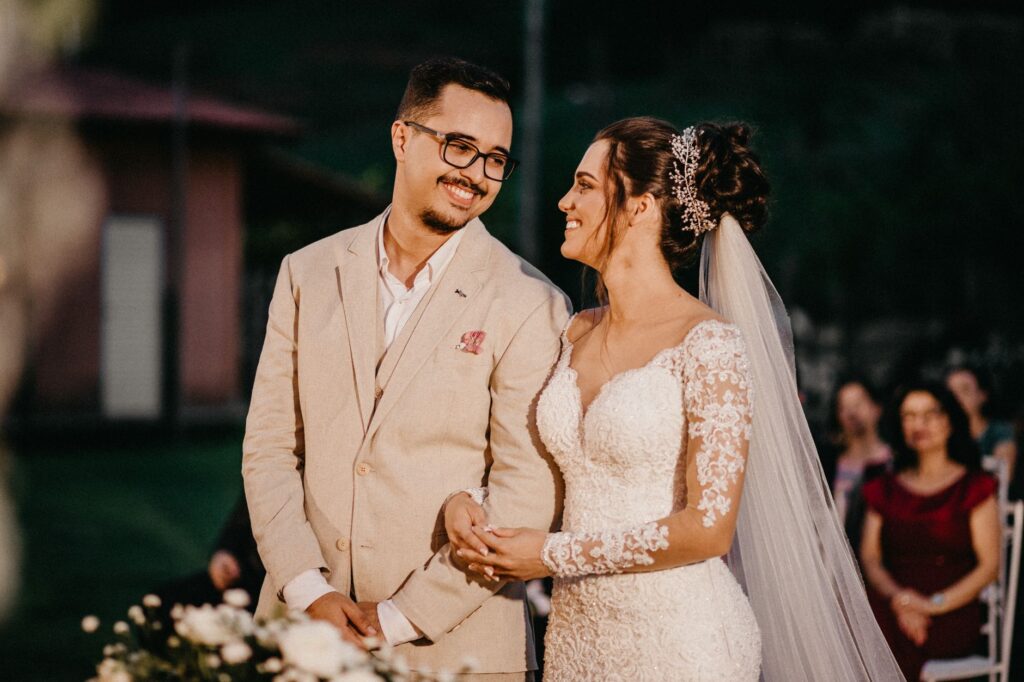
After months of hard work, dedication, and prayer, John and Lisa decided to renew their vows in a small ceremony surrounded by close family and friends. They understood that their marriage was a testament to God’s grace and the power of second chances. Their journey inspired many around them, proving that with God’s help, healing is possible.

Biblical Examples of Second Chances
The Bible is filled with stories of individuals who received second chances, showcasing God’s grace and mercy. Here are a few notable examples:
- Peter: After denying Jesus three times, Peter was restored by Christ (John 21:15-17). This moment highlights that failure does not disqualify us from God’s love and purpose.
- The Prodigal Son: In Luke 15:11-32, the wayward son was welcomed back with open arms after squandering his inheritance. This parable illustrates God’s joy in restoring relationships.
- David: Despite his grave sins, including adultery and murder, David repented and was forgiven by God (2 Samuel 12:13). His story demonstrates that even the most serious mistakes can be redeemed.
These examples serve as reminders that no one is beyond the reach of God’s forgiveness and restoration, making them powerful illustrations for couples seeking second chances.
Embracing God’s Grace in Marriage
The Nature of Grace
Grace is a central theme in the Christian faith, and it plays a vital role in marriage. Ephesians 2:8-9 (NIV) states, “For it is by grace you have been saved, through faith, and this is not from yourselves, it is the gift of God, not by works, so that no one can boast.” This grace is not just for individual salvation; it extends to our relationships, especially in marriage. When couples learn to extend grace to one another, they create an environment where healing can occur.
Understanding grace requires acknowledging our imperfections and the imperfections of our spouses. Romans 3:23 (NIV) reminds us, “For all have sinned and fall short of the glory of God.” This awareness can foster humility and compassion in marriage. Rather than holding onto grudges, couples can choose to forgive, allowing God’s grace to work through their relationship.
Practicing Grace Daily
Implementing grace in daily interactions can transform a marriage. Here are some practical ways to practice grace:
- Speak kindly: Use words that uplift and encourage rather than criticize.
- Offer forgiveness: Be quick to forgive and slow to anger, as instructed in James 1:19-20 (NIV).
- Show patience: Remember that growth and change take time; be patient with one another.
- Express gratitude: Regularly remind your spouse of the positive attributes they possess.
When grace becomes the foundation of your marriage, it can lead to profound healing and restoration. Colossians 3:13 (NIV) says, “Bear with each other and forgive one another if any of you has a grievance against someone. Forgive as the Lord forgave you.” This verse beautifully encapsulates the essence of grace within the context of marriage.
The Power of Commitment
The Importance of Commitment in Marriage
Commitment is essential for any successful marriage, especially when navigating difficult times. Proverbs 16:3 (NIV) states, “Commit to the Lord whatever you do, and he will establish your plans.” Commitment to God and to each other is what strengthens the bond between spouses. When couples pledge to stick together through thick and thin, they foster a sense of security and trust.
Moreover, commitment is a reflection of God’s covenant with His people. Just as God remains faithful to His promises, so should spouses remain faithful to one another. This steadfastness is crucial during trials and tribulations, where the temptation might be to walk away rather than work through issues together.
Reaffirming Commitment
Reaffirming commitment can take many forms. Here are some ways to strengthen your commitment to each other:
- Regular check-ins: Set aside time each week to discuss your feelings and any concerns within the marriage.
- Plan together: Engage in activities that both partners enjoy, fostering a sense of unity.
- Seek counseling: Professional guidance can help navigate through challenging issues and reinforce commitment.
- Celebrate milestones: Acknowledge anniversaries and achievements, reminding each other of your journey together.
In moments of doubt or struggle, reminding one another of your commitment can provide the encouragement needed to persevere. Ecclesiastes 4:12 (NIV) declares, “Though one may be overpowered, two can defend themselves. A cord of three strands is not quickly broken.” This depicts the strength that comes from a committed partnership, especially when centered on God.
The Role of Communication in Healing
Understanding Effective Communication
Communication is crucial in any relationship, particularly when addressing issues that require a second chance. Ephesians 4:29 (NIV) encourages us to speak in ways that build others up: “Do not let any unwholesome talk come out of your mouths, but only what is helpful for building others up according to their needs, that it may benefit those who listen.” Effective communication allows spouses to express their feelings, needs, and concerns without fear of being judged.
Moreover, active listening is just as important as speaking. James 1:19 (NIV) reminds us to be “quick to listen, slow to speak and slow to become angry.” By practicing active listening, couples can better understand each other’s perspectives and needs, which is vital for healing and reconciliation.
Strategies for Healthy Communication
To enhance communication in your marriage, consider the following strategies:
- Use “I” statements: Express feelings and concerns without placing blame, e.g., “I feel hurt when…”
- Establish safe spaces: Create an environment where both partners feel comfortable sharing their thoughts.
- Limit distractions: Set aside time to talk without interruptions from phones, TV, or other distractions.
- Practice empathy: Try to understand your spouse’s feelings and viewpoints, validating their emotions.
By prioritizing effective communication, couples can navigate the complexities of their relationship and work towards healing. Proverbs 12:18 (NIV) states, “The words of the reckless pierce like swords, but the tongue of the wise brings healing.” This verse highlights the importance of choosing words wisely, as they have the power to either wound or heal.
Frequently Asked Questions
What does the Bible say about forgiveness in marriage?
The Bible emphasizes forgiveness as a vital component of marriage. In Colossians 3:13, we are instructed to bear with each other and forgive one another as the Lord forgave us.
How can couples rebuild trust after betrayal?
Rebuilding trust requires open communication, transparency, and consistent behavior over time. Couples must be patient and committed to the process of restoration.
Are there specific prayers for healing in marriage?
Yes, couples can pray for healing, unity, and guidance together. Personal prayers asking for wisdom, patience, and strength can also be beneficial.
What role does God play in restoring marriages?
God is integral in the restoration process, providing grace, guidance, and strength. Couples who seek Him earnestly are often met with transformative healing.
The Bottom Line
In summary, the journey of second chances in marriage can be challenging yet rewarding. Through understanding forgiveness, seeking redemption, and building a strong foundation, couples can experience healing. By relying on Scripture and God’s guidance, marriages can be restored, reflecting the beauty of God’s grace. Remember, every relationship can start anew with commitment and faith in God’s promises.
Keep reading
More Marriage →

Weekly encouragement
Grow in the Word, one email at a time.
Free Bible study guides, prayer help and a verse to carry through your week. No spam, unsubscribe anytime.
Join the conversation