Bible Verse About Teaching The Next Generation: Key Insights
Explore the Bible verse about teaching the next generation and discover practical insights for guiding our children in faith and wisdom.

Key Takeaways
- God calls us to teach the next generation.
- Scripture provides clear guidance on parenting and mentorship.
- Practical steps can help instill faith in children.
- Teaching involves both words and actions.
The responsibility to teach the next generation about faith and values is a profound and essential calling for every Christian. The Bible encourages believers to not only grow in their understanding of God’s word but also to pass that knowledge on to their children and those who come after them. As we explore various Bible verses about teaching the next generation, we will see how this task impacts families, communities, and the future of the church.
Teaching the next generation is not merely about transferring knowledge; it is about nurturing a relationship with God that can flourish throughout their lives. It encompasses both formal instruction and the everyday lessons we impart through our actions, choices, and love. This article will highlight key scriptures, practical applications, and real-life illustrations to encourage you in this vital endeavor.
In a world where distractions abound and values can often seem unclear, the importance of grounding children in faith and wisdom becomes even more critical. Let’s embark on this journey of understanding what the Bible has to say about teaching the next generation.
Biblical Foundations for Teaching
The Bible is replete with instructions about the importance of teaching the next generation. One of the most compelling passages comes from Deuteronomy, where God commands His people to ensure His laws and teachings are passed down:
“These commandments that I give you today are to be on your hearts. Impress them on your children. Talk about them when you sit at home and when you walk along the road, when you lie down and when you get up.” (Deuteronomy 6:6-7)
This scripture emphasizes the continuous nature of teaching. It suggests that teaching is not relegated to formal settings but is to be woven into the fabric of daily life. Parents and mentors are encouraged to talk about God’s commandments at various times throughout the day, during meals, while traveling, and at bedtime. This holistic approach to teaching reinforces the idea that faith is a living, breathing aspect of everyday life.
Another significant verse is found in Psalm 78, where Asaph recounts the history of Israel and calls upon the people to teach their children about God’s deeds:
“We will not hide them from their descendants; we will tell the next generation the praiseworthy deeds of the Lord, his power, and the wonders he has done.” (Psalm 78:4)
This passage highlights the importance of sharing testimonies and recounting the mighty works of God. By sharing stories of faith, struggles, and victories, we create a rich tapestry of experiences that can inspire the next generation to trust in God. This storytelling aspect is crucial, as it connects the younger generation to their heritage and fosters a sense of belonging.
Practical Ways to Teach
While scripture sets the foundation, practical application is essential for effectively teaching the next generation. Here are several practical ways to instill faith and values in children:
- Family Devotions: Setting aside time for family devotions can create a routine of spiritual nourishment. This can involve reading scripture together, discussing its meaning, and praying as a family.
- Engaging in Church Activities: Involvement in church activities not only teaches biblical principles but also helps children build relationships within the community. Encourage participation in Sunday school, youth groups, and service projects.
- Modeling Faith: Children learn by observing. As adults, we must model a life of faith, praying, attending church, and demonstrating love and kindness in our daily interactions.
- Encouraging Questions: Create an environment where children feel comfortable asking questions about faith. Engaging in discussions about their thoughts can lead to deeper understanding and exploration of their beliefs.
- Utilizing Technology: Leverage technology to access biblical resources such as apps, podcasts, and online Bible studies that can engage children in learning about faith in a manner that resonates with them.
For instance, think of a family that incorporates bedtime stories that focus on biblical narratives. Instead of traditional fairy tales, they share stories of David and Goliath or the Good Samaritan, discussing the lessons and morals of each story. This practice not only teaches biblical truths but also strengthens the family bond through shared experiences.

Challenges in Teaching the Next Generation
While the call to teach the next generation is clear, several challenges may arise along the way. Acknowledging and addressing these challenges is crucial for effective teaching.
One significant challenge is the influence of the culture surrounding children today. With technology and social media shaping their perspectives, children often encounter ideas that may conflict with biblical teachings. It is essential for parents and mentors to engage with children in discussions about these influences, providing a biblical framework to navigate them.
Another challenge is the potential disconnect between what children learn at home and what they experience outside. For example, a child may learn about forgiveness in church but witness conflict and resentment in their daily lives. Adults must be vigilant in bridging these gaps by reinforcing biblical principles through both word and action.
Lastly, time constraints can hinder the teaching process. Busy schedules may leave little room for intentional teaching moments. Parents can combat this by being intentional about creating spaces for discussion and learning, even during routine activities like cooking or commuting.
Scriptural Encouragement for Teachers
Teaching the next generation can sometimes feel overwhelming, but scripture provides encouragement for those undertaking this responsibility. James 1:5 offers a promise for wisdom:
“If any of you lacks wisdom, you should ask God, who gives generously to all without finding fault, and it will be given to you.” (James 1:5)
This verse reassures us that we do not have to rely solely on our abilities. Instead, we can seek God’s wisdom to guide our teaching efforts. Prayerful dependence on God equips us to impart the lessons our children need.
Additionally, in 2 Timothy 3:16-17, we are reminded of the power of Scripture:
“All Scripture is God-breathed and is useful for teaching, rebuking, correcting, and training in righteousness, so that the servant of God may be thoroughly equipped for every good work.” (2 Timothy 3:16-17)
These verses remind us that God’s word is essential in the teaching process. By relying on Scripture, we can be confident that we are equipping the next generation with the truth and the tools they need to navigate their faith journeys.
The Role of the Church in Teaching
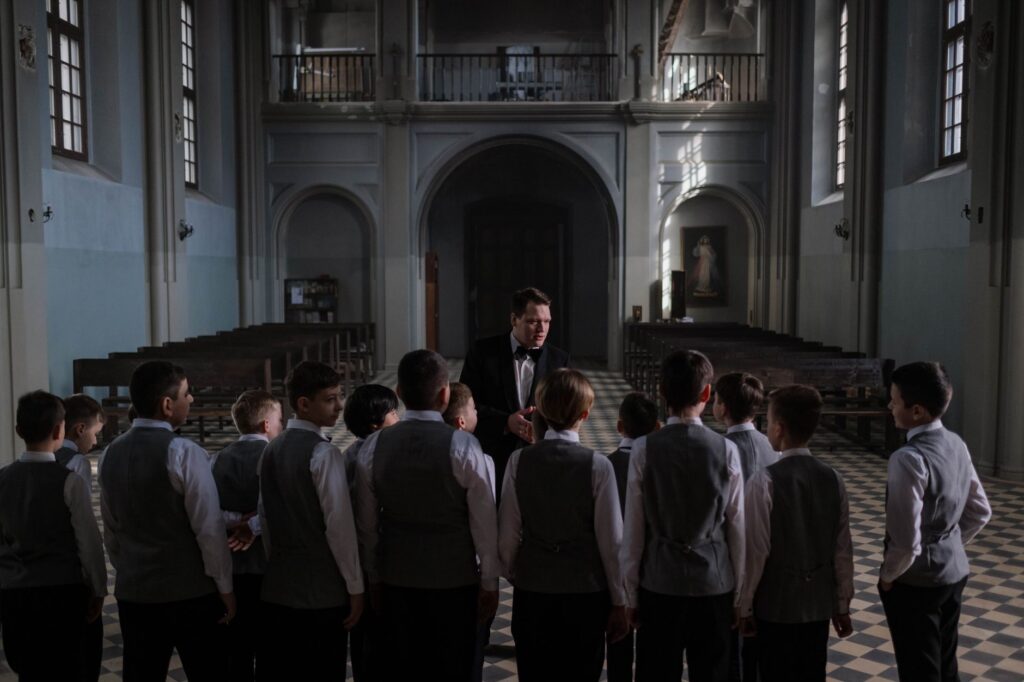
While parents and family members play a primary role in teaching the next generation, the church also holds a vital responsibility. The body of Christ is designed to support and supplement the teaching that occurs at home. Here are some ways the church can contribute:
- Children’s Ministry: Churches often have dedicated programs for children, offering age-appropriate biblical teaching that reinforces what families are learning at home.
- Mentorship Programs: Pairing younger members of the congregation with mature believers can provide guidance, support, and examples of living out faith in various life stages.
- Community Events: Hosting events that engage families can foster a sense of belonging and encourage parents to take an active role in their children’s spiritual development.
- Workshops and Resources: Offering workshops on parenting, teaching, and biblical literacy can empower parents to feel more equipped in their roles as teachers.
The church’s involvement not only strengthens the family unit but also cultivates a community where faith can be nurtured collectively. When families and churches collaborate, the potential for impacting the next generation exponentially increases.
The Importance of Role Modeling in Teaching
Living the Lesson
One of the most profound ways to teach the next generation is through our actions and behavior. The Bible emphasizes the significance of living a life that reflects God’s principles. In Matthew 5:16, Jesus instructs, “Let your light shine before others, that they may see your good deeds and glorify your Father in heaven.” This verse highlights that our conduct can serve as a powerful teaching tool, showing young people the realities of faith in action.
When we embody the values we wish to impart, we create a tangible example for others to follow. Children and young adults are often more influenced by what they observe than by what they are told. Therefore, it is essential to demonstrate integrity, compassion, and faithfulness in our daily lives.
- Be consistent in your values.
- Show grace and forgiveness.
- Exhibit humility and service to others.
- Engage in community service as a family.
Understanding the Impact of Influence
Proverbs 22:6 states, “Start children off on the way they should go, and even when they are old they will not turn from it.” This verse underscores the lasting impact of early teaching and the influence of role models. Parents, teachers, and mentors need to be aware of the profound effect their actions can have on the attitudes and beliefs of the younger generation.
Each interaction provides an opportunity to shape character and faith. The lessons learned during formative years often serve as a foundation for future beliefs and behaviors. As such, it becomes essential to guide young people not only in what to believe but also in how to live out those beliefs.
The Power of Storytelling
Storytelling is a biblical method of teaching that resonates across generations. Jesus often used parables to convey deep truths in relatable ways. For instance, in Matthew 13:34-35, it says, “Jesus spoke all these things to the crowd in parables; he did not say anything to them without using a parable.” This approach allows listeners to connect emotionally and intellectually with the message.
Engaging young people through stories can help them understand complex spiritual truths and moral lessons. When we share our personal testimonies or biblical stories, we provide relatable experiences that can inspire and instruct.
- Use parables and personal anecdotes in discussions.
- Encourage children to share their own stories.
- Connect biblical narratives to modern-day situations.


Integrating Scripture in Daily Life
Memorization and Application
Psalm 119:11 states, “I have hidden your word in my heart that I might not sin against you.” Teaching the next generation to memorize Scripture is critical, as it provides them with a mental and spiritual toolkit for navigating life’s challenges. Encouraging children to memorize verses can be a fun and rewarding process, reinforcing their understanding and connection to God’s Word.
However, it is equally important to emphasize the application of Scripture. Young people should be taught how to apply biblical principles in their daily lives. This can be done through discussions, activities, and real-life scenarios where they can practice living out what they learn.
- Set aside time for Scripture memorization.
- Discuss how specific verses apply to current events.
- Use games and challenges to make memorization fun.
Creating a Faith-Focused Environment
Fostering an environment where faith is prioritized can greatly influence a child’s spiritual growth. Deuteronomy 6:6-7 instructs, “These commandments that I give you today are to be on your hearts. Impress them on your children. Talk about them when you sit at home and when you walk along the road, when you lie down and when you get up.” This passage emphasizes the importance of continual conversations about faith.
Creating a faith-focused environment can include various practices such as prayer before meals, reading Scripture together, and discussing faith-related topics during family time. The more integrated faith is into daily life, the more natural it becomes for the next generation to embrace and live it out.
- Encourage daily family devotions.
- Incorporate prayer in daily routines.
- Discuss faith openly in everyday situations.
Encouraging Questions and Exploration
Curiosity is a natural part of childhood and should be embraced as a crucial aspect of teaching the next generation. In Proverbs 2:3-5, it says, “Indeed, if you call out for insight and cry aloud for understanding, and if you look for it as for silver and search for it as for hidden treasure, then you will understand the fear of the Lord and find the knowledge of God.” Encouraging questions helps young people explore their faith deeply.
Creating an environment where children feel safe to ask questions can lead to more profound understanding and commitment to their beliefs. Instead of providing immediate answers, guiding them to explore the Scriptures themselves can foster a sense of ownership over their faith.
- Encourage open discussions about doubts and curiosities.
- Provide resources for further exploration.
- Model humility in seeking answers together.
Fostering Community and Accountability
The Role of Mentorship
Mentorship is a vital component of teaching the next generation. Paul encourages Timothy in 2 Timothy 2:2, saying, “And the things you have heard me say in the presence of many witnesses entrust to reliable people who will also be qualified to teach others.” This verse highlights the importance of passing on knowledge and wisdom through relationships.
Establishing mentorship opportunities within families, churches, and community groups allows younger individuals to learn from those more experienced in their faith journeys. These relationships can provide encouragement, accountability, and guidance, helping young people navigate their spiritual paths.
- Connect youth with mature believers as mentors.
- Encourage mentorship programs within the church.
- Foster intergenerational relationships.
Building a Supportive Community
Being part of a supportive community reinforces the teachings given to the next generation. Hebrews 10:24-25 states, “And let us consider how we may spur one another on toward love and good deeds, not giving up meeting together, as some are in the habit of doing, but encouraging one another, and all the more as you see the Day approaching.” Regular gatherings provide opportunities for encouragement and learning.
Cultivating a sense of belonging within a faith community can help young people feel valued and supported in their spiritual growth. Whether through small groups, youth ministries, or family gatherings, communal activities strengthen faith and reinforce teachings.
- Organize regular group activities focused on faith.
- Encourage participation in church services and events.
- Promote collaboration in community service projects.
Frequently Asked Questions
What is the primary scripture about teaching the next generation?
One of the primary scriptures is Deuteronomy 6:6-7, which instructs parents to impress God’s commandments on their children throughout daily life.
How can parents effectively teach their children about faith?
Parents can effectively teach their children by engaging in family devotions, modeling faith through their actions, and encouraging open discussions about spirituality.
What role does the church play in teaching children?
The church supports families by providing children’s ministries, mentorship programs, and community events that reinforce biblical teachings at home.
Are there resources available for parents to help teach their children?
Yes, many churches offer workshops, Bible study materials, and online resources that can assist parents in teaching their children about faith.
The Bottom Line
Teaching the next generation about faith is a profound responsibility that requires intentionality, prayer, and reliance on God’s wisdom. Scripture encourages us to share the teachings of the Lord in our homes and communities, guiding children in their spiritual journeys. By engaging in practical ways and fostering a supportive environment, we can cultivate a strong foundation of faith for the next generation.
Keep reading
More Children & Youth →



Weekly encouragement
Grow in the Word, one email at a time.
Free Bible study guides, prayer help and a verse to carry through your week. No spam, unsubscribe anytime.
Join the conversation