End Of The World Bible Verses KJV: Understanding Scripture’s Message
Explore essential End Of The World Bible Verses KJV that provide insight and encouragement for believers facing uncertain times.
Key Takeaways
- Scripture offers hope and clarity about the end times.
- The importance of being prepared spiritually.
- Key verses that highlight God's sovereignty.
- Encouragement to remain steadfast in faith.
The idea of the end of the world can evoke a range of emotions, from fear to curiosity. Many people wonder what the Bible says about this future event. The King James Version of the Bible contains numerous verses that speak to the end of the world, providing both warnings and comfort. For believers, these scriptures are not just ominous predictions; they are reminders of God’s sovereignty and promises.
Throughout history, Christians have sought to understand the signs of the times and the implications of the end of the world. The Bible encourages us to be vigilant and prepared, but it also reassures us that God holds the future in His hands. In this guide, we will explore key End Of The World Bible Verses KJV, their meanings, and how they can impact our lives today.
As we investigate these verses, it’s helpful to approach them with a heart open to understanding. Scripture offers wisdom, guidance, and a sense of peace for those navigating the uncertainties of life. Let’s embark on this journey to discover what the Bible teaches about the end of the world.
The Nature of the End Times
The Bible presents the end times as a significant period of change, marked by the return of Christ and the fulfillment of God’s promises. One of the foundational verses that describe this event is found in the Book of Matthew:
“But of that day and hour knoweth no man, no, not the angels of heaven, but my Father only.” (Matthew 24:36)
This verse emphasizes the mystery surrounding the exact timing of the end. No human can predict when it will occur, which serves as a reminder of our reliance on God’s timing rather than our own understanding.
Another significant verse is:
“And then shall appear the sign of the Son of man in heaven: and then shall all the tribes of the earth mourn, and they shall see the Son of man coming in the clouds of heaven with power and great glory.” (Matthew 24:30)
This passage illustrates the dramatic and powerful return of Jesus Christ, a moment that believers anticipate with hope. It serves as both a warning and a promise, a call to be ready for His return.
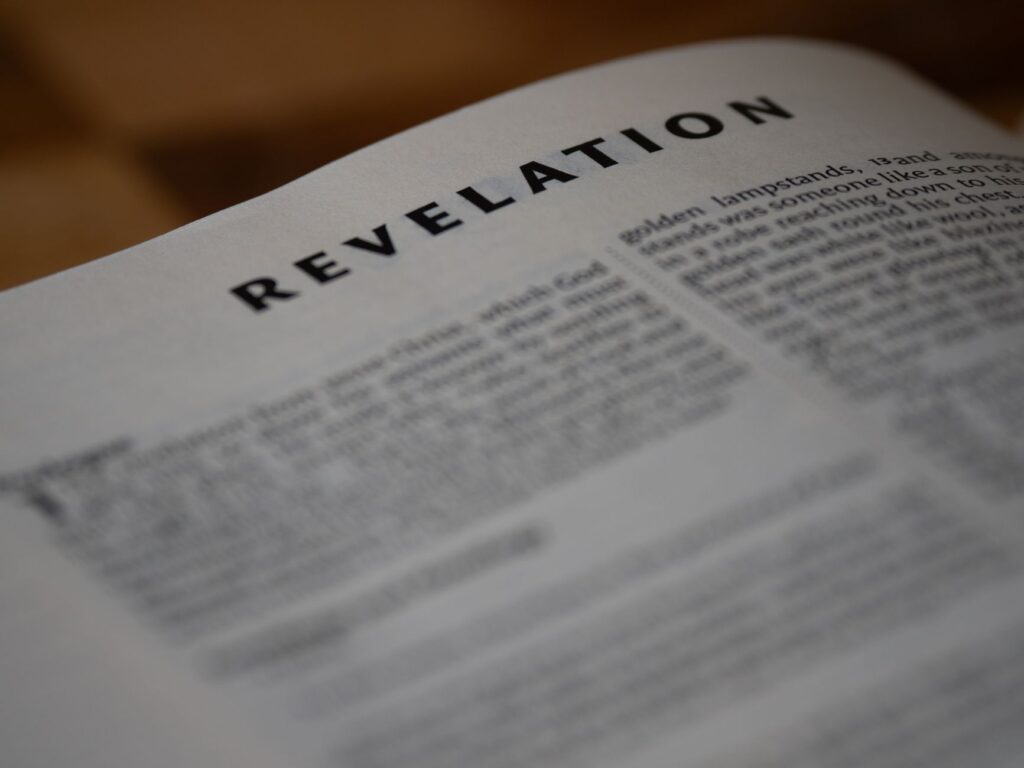
In addition to these verses, the Book of Revelation provides vivid imagery and prophetic insights about the end times. Revelation 21:1 offers a glimpse into the new creation:
“And I saw a new heaven and a new earth: for the first heaven and the first earth were passed away; and there was no more sea.” (Revelation 21:1)
This promise of renewal and restoration is a source of great encouragement for believers. It reassures us that God has a plan beyond the current chaos and trials.
Signs of the End Times
The Bible outlines various signs that will precede the end of the world, many of which can be found in the Gospels, particularly in Matthew 24. Jesus warns His followers about the conditions of the world leading up to His return:
“And ye shall hear of wars and rumors of wars: see that ye be not troubled: for all these things must come to pass, but the end is not yet.” (Matthew 24:6)
This verse indicates that conflicts and turmoil are part of the human experience, but they should not lead us to despair. Instead, they serve as reminders to keep our eyes fixed on Christ.
Here are some other signs mentioned in Scripture that align with this theme:
- False Prophets: Jesus warns that many will come in His name, misleading many (Matthew 24:5).
- Natural Disasters: Earthquakes and famines are mentioned as signs of the end (Matthew 24:7).
- Persecution: Believers will face trials and hatred for their faith (Matthew 24:9).
These signs can be seen as both frightening and sobering, but they are also a call to action for believers to remain steadfast in their faith. They remind us of the urgency to share the Gospel and reflect Christ’s love in a troubled world.

The Role of Believers in the Last Days
As Christians, understanding our role in the end times is crucial. We are called to remain faithful and to live out our faith actively while awaiting Christ’s return. The Apostle Peter offers valuable encouragement:
“But the day of the Lord will come as a thief in the night; in the which the heavens shall pass away with a great noise, and the elements shall melt with fervent heat, the earth also and the works that are therein shall be burned up.” (2 Peter 3:10)
This verse illustrates that while the end will come unexpectedly, it also serves as a reminder to live righteously. Peter follows this warning with an exhortation:
“Seeing then that all these things shall be dissolved, what manner of persons ought ye to be in all holy conversation and godliness?” (2 Peter 3:11)
Our lives should reflect our hope in Christ. This means engaging in good works, sharing our faith, and living in a way that honors God.
Additionally, believers are called to encourage one another during these times:
“Wherefore comfort one another with these words.” (1 Thessalonians 4:18)
In practical terms, this could mean gathering for prayer, studying Scripture together, or simply being present for one another in difficult times.
The Promise of Hope and Redemption
The end of the world, while daunting, is also filled with the promise of hope and redemption. This is a central theme throughout Scripture. Consider the words from Revelation:
“And God shall wipe away all tears from their eyes; and there shall be no more death, neither sorrow, nor crying, neither shall there be any more pain: for the former things are passed away.” (Revelation 21:4)
This verse beautifully encapsulates the hope believers have in the new creation. It reassures us that God will ultimately restore all things and bring an end to suffering.
Furthermore, in Romans, Paul reminds us of our identity in Christ:
“For I reckon that the sufferings of this present time are not worthy to be compared with the glory which shall be revealed in us.” (Romans 8:18)
This perspective shifts our focus from current struggles to the glorious future promised to those who believe. It encourages us to persevere through trials, knowing that they are temporary and that God has a greater plan.
Ultimately, the end of the world serves as a powerful reminder for Christians to anchor their hope in Christ, who is the author and finisher of our faith (Hebrews 12:2).

Living in Light of Eternity
Understanding the end of the world should profoundly impact how we live today. Colossians provides a key insight into this concept:
“If ye then be risen with Christ, seek those things which are above, where Christ sitteth on the right hand of God.” (Colossians 3:1)
This verse encourages believers to focus on eternal perspectives rather than temporal concerns. By prioritizing our relationship with God, we can navigate life’s challenges with faith and resilience.
Here are some practical ways to live in light of eternity:
- Engage in Prayer: Regularly seek God’s guidance and strength.
- Serve Others: Look for opportunities to help those in need.
- Share the Gospel: Be a witness for Christ in your community.
- Grow in Knowledge: Study the Bible to deepen your understanding of God’s Word.
By doing these things, we align our lives with God’s purposes and prepare our hearts for His return.
The Role of Prophecy in Understanding the End Times
God’s Sovereignty Revealed Through Prophecy
The Bible is replete with prophecies that outline God’s sovereign control over history, particularly concerning the end times. In Isaiah 46:10, the Lord declares, “Declaring the end from the beginning, and from ancient times the things that are not yet done, saying, My counsel shall stand, and I will do all my pleasure.” This verse emphasizes that God has a predetermined plan that will unfold according to His will, allowing believers to trust in His sovereignty as they navigate uncertain times.
Understanding prophecy can help believers maintain faith in God’s promises. For instance, in the Book of Revelation, John reveals the ultimate victory of Christ over evil (Revelation 21:4). This assurance can provide comfort during distressing times as Christians hold onto the hope that God’s plan will culminate in the restoration of creation.
Types of Prophetic Literature
Prophetic literature in the Bible can be categorized into several types, each serving unique purposes in the context of the end times. Here are the primary types:
- Apocalyptic Prophecy: Found mainly in Daniel and Revelation, these writings use vivid imagery to reveal God’s final plans.
- Predictive Prophecy: Often seen in the writings of the prophets like Isaiah and Jeremiah, these passages predict future events related to Israel and the coming Messiah.
- Conditional Prophecy: Such prophecies depend on human response, as seen in the prophetic warnings given to nations (Jeremiah 18:7-10).
Each type provides insight into God’s character and His dealings with humanity. By studying these forms, believers can discern how to navigate the complexities of the present world and the future to come.
Interpreting Prophecy with Discernment
Interpreting prophecy requires careful consideration of context, history, and the original audience. In 2 Timothy 2:15, Paul urges believers to “study to show thyself approved unto God, a workman that needeth not to be ashamed, rightly dividing the word of truth.” This directive highlights the importance of a thoughtful approach to Scripture, especially when engaging with prophetic texts.
Believers should approach interpretations with humility and seek guidance through prayer and the Holy Spirit. Additionally, comparing Scripture with Scripture is crucial, as seen in Isaiah 28:10, which states, “For precept must be upon precept, precept upon precept; line upon line, line upon line; here a little, and there a little.” This method fosters a comprehensive understanding and guards against misinterpretations.


The Impact of the End Times on Christian Ethics
The Call for Righteous Living
The reality of the end times should compel Christians to live with integrity and righteousness. In 1 Peter 1:15-16, we are instructed, “But as he which hath called you is holy, so be ye holy in all manner of conversation; because it is written, Be ye holy; for I am holy.” This call to holiness is especially pertinent as believers look forward to Christ’s return.
Living righteously not only reflects our faith but also serves as a powerful witness to others. Jesus emphasizes the importance of good works in Matthew 5:16, stating, “Let your light so shine before men, that they may see your good works, and glorify your Father which is in heaven.” In a world filled with chaos, the ethical conduct of believers can draw others to the hope found in Christ.
Engaging with Culture Responsively
As the world approaches the end times, believers are called to engage with culture thoughtfully and biblically. Colossians 4:5-6 reminds us, “Walk in wisdom toward them that are without, redeeming the time. Let your speech be always with grace, seasoned with salt, that ye may know how ye ought to answer every man.” This guidance highlights the importance of being proactive and gracious in our interactions with non-believers.
Christian ethics should permeate all areas of life, influencing our choices in politics, social issues, and everyday interactions. Believers are encouraged to be informed and active, contributing positively to society while standing firm in their convictions based on Scripture.
The Importance of Community Support
In light of the challenges posed by the end times, the Christian community plays a vital role in supporting one another. Hebrews 10:24-25 encourages believers to “consider one another to provoke unto love and to good works: Not forsaking the assembling of ourselves together, as the manner of some is; but exhorting one another: and so much the more, as ye see the day approaching.” This verse underscores the importance of fellowship and encouragement, especially as we face trials.
Being part of a community allows believers to share burdens, celebrate victories, and hold each other accountable. Small groups, prayer meetings, and church gatherings create opportunities for growth and connection, equipping believers to stand firm in their faith amid adversity.
The Final Judgment and Its Implications
The Reality of Judgment Day
The final judgment is a significant theme in Scripture, emphasizing accountability before God. In Revelation 20:12-13, it is stated, “And I saw the dead, small and great, stand before God; and the books were opened: and another book was opened, which is the book of life: and the dead were judged out of those things which were written in the books, according to their works.” This sobering reality reminds believers of the eternal consequences of their actions.
The knowledge of impending judgment should inspire a sense of urgency in evangelism and personal holiness. Romans 14:10-12 reinforces this idea, stating that “we shall all stand before the judgment seat of Christ.” Understanding our accountability before God can motivate believers to live purposefully and to share the message of salvation with others.
The Hope of Reward for the Faithful
While judgment is inevitable, Scripture also assures believers of the rewards awaiting those who remain faithful. In 2 Timothy 4:7-8, Paul expresses confidence in receiving a crown of righteousness, saying, “Henceforth there is laid up for me a crown of righteousness, which the Lord, the righteous judge, shall give me at that day.” This promise serves as an encouragement to persevere in faith, knowing that God honors fidelity to His Word.
Believers can anticipate various rewards, including crowns and positions of authority in God’s kingdom (Matthew 25:21). These rewards are not merely for personal gain but are ultimately for God’s glory, affirming the significance of living a life that reflects His character.
Living in Anticipation of the New Creation
The end times culminate in the promise of a new creation, where God’s dwelling will be with humanity (Revelation 21:3). This hope should shape how Christians live today, fostering a longing for the wholeness and restoration that God promises. In 2 Peter 3:13, believers are reminded, “Nevertheless we, according to his promise, look for new heavens and a new earth, wherein dwelleth righteousness.” This anticipation can inspire believers to be active participants in God’s redemptive work now, reflecting His love and grace to a world in need.
As they await the fulfillment of God’s promises, Christians are called to embody the values of the kingdom, demonstrating justice, mercy, and love in their daily lives, thus preparing themselves and others for the glorious return of Christ.
Frequently Asked Questions
What does the Bible say about the end of the world?
The Bible contains various verses discussing the end of the world, emphasizing Christ’s return, signs preceding it, and the ultimate restoration of creation.
When will the end of the world occur?
Scripture states that no one knows the exact time of the end, but believers are encouraged to be vigilant and prepared (Matthew 24:36).
How should Christians respond to the end times?
Christians are called to live faithfully, share the Gospel, and encourage one another while remaining hopeful in God’s promises.
Is there hope for believers during the end times?
Yes, Scripture reassures believers of a glorious future where God will wipe away tears and eliminate suffering (Revelation 21:4).
The Bottom Line
The End Of The World Bible Verses KJV remind us of the certainty of Christ’s return and the hope we have in Him. While the prospect of the end times can be daunting, Scripture encourages believers to remain steadfast and focused on God’s promises. As we navigate life, let us be diligent in our faith and share the hope of the Gospel with others.
Keep reading
More Christian Beliefs & Doctrine →

Weekly encouragement
Grow in the Word, one email at a time.
Free Bible study guides, prayer help and a verse to carry through your week. No spam, unsubscribe anytime.
Join the conversation