
Overcoming Challenges and Trials
Overcoming Trials Bible Verses: Finding Strength and Hope
Nov 9, 2026 · 12 min read
Explore the wisdom of shared sorrow in the Bible, discovering verses that bring comfort and understanding in difficult times.

Key Takeaways
Sorrow is a part of the human experience that we all encounter at some point in our lives. In moments of grief, loss, or disappointment, it can feel as though the weight of the world rests upon our shoulders. However, the Bible offers profound insights into the nature of sorrow and the importance of sharing our burdens with one another. The saying, “Sorrow shared is halved,” resonates deeply with the teachings found in Scripture, emphasizing the value of community and connection during times of distress.
Understanding how to navigate sorrow is crucial for our emotional and spiritual well-being. The Bible encourages believers to lean on each other, reminding us that we are not alone in our struggles. Through various verses, we can find encouragement and guidance as we learn to share our grief and support those around us.
In this article, we will explore key Bible verses that speak to the concept of shared sorrow, the role of community in healing, and practical steps to foster deeper connections with others in times of trouble.
The Bible consistently emphasizes the importance of community. In Galatians 6:2, we are instructed, “Bear one another’s burdens, and so fulfill the law of Christ.” This verse highlights the responsibility we have toward each other as members of the Body of Christ. When we share our burdens, we not only lighten our load but also fulfill the command to love one another.
Furthermore, in Romans 12:15, it states, “Rejoice with those who rejoice, and weep with those who weep.” This duality of joy and sorrow is a fundamental aspect of Christian fellowship. By engaging in both the highs and lows of life together, we create a supportive environment where healing can occur. Sharing sorrow cultivates empathy, allowing us to understand and connect with each other on a deeper level.
Another poignant example is found in 2 Corinthians 1:3-4, where Paul writes, “Blessed be the God and Father of our Lord Jesus Christ, the Father of mercies and God of all comfort, who comforts us in all our affliction, so that we may be able to comfort those who are in any affliction.” This passage not only reassures us of God’s comfort but also emphasizes our role in comforting others, thus creating a cycle of support and care.
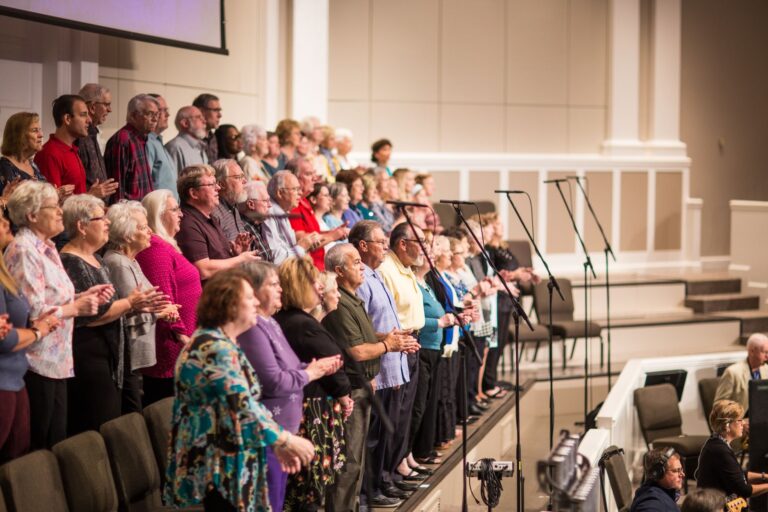
The church serves as a vital source of support during times of sorrow. Acts 2:44-45 reveals how early Christians shared everything they had, demonstrating how a community united in faith can provide for one another’s needs. This spirit of generosity and mutual care is a powerful antidote to loneliness and despair.
In practical terms, churches can create environments where individuals feel safe to share their struggles. Support groups, prayer meetings, and counseling services can help members navigate their sorrow with the support of their peers. When sorrow is shared within a church community, it is often met with compassion and encouragement, which can significantly alleviate feelings of isolation.
Moreover, the church can also organize outreach programs to assist those in the community who are grieving or facing difficulties. By actively engaging in service, Christians can embody the love of Christ and offer tangible support to those in need.
Here are several key Bible verses that highlight the importance of sharing sorrow and the comfort God provides:
Consider the story of a woman named Sarah who recently lost her father. Overwhelmed by grief, she initially withdrew from her friends and family, believing she needed to process her sorrow alone. However, her close friend reached out, inviting her to a small gathering where others shared their own experiences of loss. As Sarah listened to their stories, she felt a sense of relief wash over her. It became clear that she was not alone in her pain.
Encouraged by the support she received, Sarah began to share her own feelings. The act of articulating her sorrow allowed her to process it in a healthier way. Her friends offered comfort, shared memories of her father, and prayed with her. This experience reinforced the truth that “sorrow shared is halved”, the burdens of grief began to lighten as they were shared among those who cared for her.

Empathy plays a crucial role in sharing sorrow. It is not just about listening but genuinely understanding and validating another’s feelings. When we enter into someone’s pain, we offer them a precious gift, the assurance that they are not alone. Romans 12:10 implores us to “love one another with brotherly affection. Outdo one another in showing honor.” This call to honor each other’s experiences fosters an environment where sharing sorrow becomes a natural outcome.
Practically, we can cultivate empathy by actively listening, asking questions, and being present with those who are grieving. Simple acts of kindness, such as sending a card, making a meal, or just sitting in silence, can communicate love and support.
Furthermore, we can seek to understand the specific needs of those around us. Some may appreciate words of encouragement, while others may need space to grieve in solitude. Being sensitive to these differences is vital in providing meaningful support.
Sharing sorrow can strengthen relationships, deepening the bonds of friendship and community. When we allow ourselves to be vulnerable, we invite others to do the same. James 5:16 encourages us to “confess your sins to one another and pray for one another, that you may be healed.” This practice not only fosters trust but also opens the door for accountability and mutual growth.
As we share our struggles and victories, we build a foundation of authenticity in our relationships. This authenticity is what encourages others to reach out in their times of need, knowing they will be met with understanding and grace.
Additionally, creating spaces for open dialogue about grief and sorrow within our communities can normalize these conversations. Whether through support groups, church services, or informal gatherings, fostering environments where individuals feel safe to express their feelings can lead to collective healing.
To ensure that sorrow is shared effectively within our communities, we can take several practical steps:
Encouragement is a powerful tool in the face of sorrow. Hebrews 10:24-25 urges believers to “consider how to stir up one another to love and good works, not neglecting to meet together, as is the habit of some, but encouraging one another.” By actively encouraging one another, we create a culture of support within our communities.
One way to encourage those in sorrow is by sharing personal experiences of overcoming hardship. When others see how God has worked in our lives, it can inspire hope and resilience. Testimonies of faith can ignite a spirit of perseverance, reminding us all that we can overcome our struggles with God’s help.
Additionally, sending notes of encouragement or texts can uplift someone’s spirits. A simple message reminding them of God’s love and presence can offer immense comfort during difficult times.

In any community, trust is the foundation that allows individuals to share their burdens. Vulnerability fosters deeper connections, enabling people to open up about their sorrows. As we read in James 5:16, “Therefore confess your sins to one another and pray for one another, that you may be healed. The prayer of a righteous person has great power as it is working.” This verse highlights that sharing our struggles not only invites healing but also fortifies trust within the community.
When we dare to be vulnerable, we invite others to do the same. This mutual openness creates a safe space where sorrow can be shared without fear of judgment. It reminds us that we are not alone in our struggles, aligning with the teaching in Galatians 6:2: “Bear one another’s burdens, and so fulfill the law of Christ.” Here are some ways to cultivate vulnerability in your community:
Accountability is a vital component of community life that helps individuals navigate through their sorrows. As we support each other, we also hold one another accountable for healing and growth. In Proverbs 27:17, it states, “Iron sharpens iron, and one man sharpens another.” This mutual sharpening is essential not only in joyous times but also in our moments of sorrow.
Being accountable to one another means checking in, offering encouragement, and reminding each other of God’s promises during difficult times. As community members take on this role, it creates a culture where sharing sorrows is met with love and support, not isolation. Here’s how to foster accountability:
Prayer is a powerful tool that not only connects us to God but also binds us together as a community. When we pray collectively, we invite God’s presence into our shared experiences of sorrow. In Matthew 18:20, it says, “For where two or three are gathered in my name, there am I among them.” This verse reassures us that God is present in our gatherings, amplifying the power of our prayers.
Engaging in collective prayer allows communities to mourn together and seek divine healing. When we lift each other up in prayer, we not only share our burdens but also share in God’s grace and peace. Here are some ideas for incorporating prayer into your community life:
Using Scripture as a foundation for prayer can deepen the collective sorrow shared in the community. Verses such as Psalms 34:18, “The Lord is near to the brokenhearted and saves the crushed in spirit,” remind us of God’s compassion and presence in our pain. When we incorporate such verses into our prayers, we align our hearts with God’s promises.
Praying through Scripture can provide a pathway for expressing sorrow while also inviting hope. Encourage community members to share verses that resonate with them in times of grief, creating a collective reservoir of spiritual support.

Sometimes, the most profound way to support someone in sorrow is simply by being present. Job’s friends initially provided comfort by sitting with him in silence during his suffering (Job 2:13). This shows the power of presence over words. In our fast-paced world, offering our time and attention can be a radical act of love.
Being present means actively listening and validating the feelings of others. It is a reminder of God’s unwavering presence in our lives, as stated in Isaiah 41:10: “Fear not, for I am with you; be not dismayed, for I am your God; I will strengthen you, I will help you, I will uphold you with my righteous right hand.” Here are ways to practice the ministry of presence:
To effectively support one another, communities must create an environment that is open and accepting. This involves establishing norms where sharing sorrow is encouraged and met with compassion. Romans 12:15 advises us, “Rejoice with those who rejoice, weep with those who weep.” This scripture encapsulates the call to experience life together.
To create this supportive atmosphere, consider implementing regular community gatherings focused on sharing experiences and providing support. This can foster a culture that values both joy and sorrow, making it easier for members to express their struggles and receive care. A supportive community is one where everyone feels valued and loved, regardless of their circumstances.
The Bible encourages believers to share burdens, as seen in Galatians 6:2, which states, “Bear one another’s burdens, and so fulfill the law of Christ.” Sharing burdens fosters community and compassion.
Supporting someone who is grieving can involve listening actively, offering practical help, and being present. Sometimes, just being there is enough to provide comfort.
Yes, specific prayers can be offered for comfort and healing. Psalms are a great resource, as they articulate deep emotions and seek God’s presence in times of sorrow.
Finding comfort in sorrow often involves turning to God in prayer, seeking support from others, and meditating on Scripture. Remembering that you are not alone can provide solace.
Sharing sorrow is a beautiful, biblical principle that reminds us of the importance of community and empathy. By bearing one another’s burdens, we fulfill the law of Christ and create a network of support that can help lighten our loads. Through Scripture, we find encouragement and guidance, empowering us to reach out to others in their times of need. Let us strive to be vessels of comfort and hope, knowing that in sharing our sorrows, we not only find healing for ourselves but also for those around us.
Weekly encouragement
Free Bible study guides, prayer help and a verse to carry through your week. No spam, unsubscribe anytime.


Join the conversation