Bible Verses About Trust: Key Insights and Encouragement
Explore biblical insights on trust and discover how God's promises can provide comfort and strength during life's challenges.

Key Takeaways
- Trusting God leads to peace and assurance.
- Scripture provides numerous examples of trust in action.
- Real-life applications help reinforce biblical teachings.
- Understanding God's nature deepens our trust in Him.
Trust is a fundamental aspect of the Christian faith. It is woven throughout Scripture as a vital thread that connects believers to God. In times of uncertainty, doubt, or fear, understanding and leaning on biblical teachings about trust can provide profound comfort and assurance.
The Bible verses about trust offer insights that encourage us to rely on God’s promises and His character. When life presents challenges, the Scriptures remind us that we are not alone and that God is faithful. This article explores key verses, their meanings, and how we can apply these teachings in our daily lives.
As we navigate the complexities of life, it is essential to grasp what it truly means to trust in God. This exploration will enrich our understanding and strengthen our faith.
What Does the Bible Say About Trust?
The concept of trust is woven throughout the Bible, appearing in various forms and contexts. Trust in God is fundamentally about believing in His goodness, faithfulness, and sovereignty. One of the most cited verses about trust is Proverbs 3:5-6, which states, “Trust in the Lord with all your heart and lean not on your own understanding; in all your ways acknowledge Him, and He will make your paths straight.” This verse encourages us to surrender our own limited understanding and rely on God’s infinite wisdom.
Trusting God involves a relational dynamic where we choose to believe in His promises, even when circumstances may suggest otherwise. Another powerful verse is Psalm 56:3, “When I am afraid, I put my trust in You.” This illustrates that trust is not the absence of fear but rather the decision to place our fears in God’s hands.
Moreover, trust is closely tied to faith. Hebrews 11:1 defines faith as “the assurance of things hoped for, the conviction of things not seen.” Trusting God means having confidence in His character and His Word, even when we cannot see the outcome of our circumstances.
The Nature of God and Our Trust in Him
Understanding God’s nature is paramount to developing trust in Him. The Bible reveals God as loving, just, omniscient, and omnipotent. Psalm 145:9 states, “The Lord is good to all, and His mercy is over all that He has made.” Recognizing God’s goodness helps us trust that He desires our best and works everything for our good (Romans 8:28).
God’s faithfulness is another crucial aspect. Lamentations 3:22-23 reminds us, “The steadfast love of the Lord never ceases; His mercies never come to an end; they are new every morning; great is Your faithfulness.” Knowing that God is unchanging and true to His promises allows us to trust Him in every situation.
Finally, God’s sovereignty assures us that He is in control. Isaiah 46:10 says, “My counsel shall stand, and I will accomplish all my purpose.” This means that even when life feels chaotic, we can trust that God is working according to His divine plan.

Examples of Trust in Scripture
The Bible is filled with examples of individuals who demonstrated profound trust in God, often in the face of overwhelming odds. One such example is Abraham, who is frequently referred to as the father of faith. In Genesis 12:1-4, God called Abraham to leave his homeland and go to a place he did not know. Abraham’s obedience and trust in God’s promise to make him a great nation serve as a powerful reminder of what it means to trust without knowing the full picture.
Another significant figure is Job, who endured immense suffering yet maintained his trust in God. Despite losing his family, wealth, and health, Job proclaimed, “Though He slay me, I will hope in Him” (Job 13:15). Job’s unwavering trust in God’s purpose amidst suffering teaches us about the depth of faith required in difficult seasons.
David, too, offers an inspiring example. In Psalm 27:1, he declares, “The Lord is my light and my salvation; whom shall I fear? The Lord is the stronghold of my life; of whom shall I be afraid?” David’s trust in God as his protector and guide can inspire us to lean on God during our own trials.
Practical Ways to Cultivate Trust in God
Cultivating trust in God is not always a passive endeavor. It often requires intentional practice and a willingness to grow in faith. Here are some practical ways to develop a trusting relationship with God:
- Engage with Scripture: Regularly reading and meditating on the Bible deepens our understanding of God’s character and His promises. Key verses about trust can be memorized and recalled in times of need.
- Prayer: Dialogue with God through prayer fosters intimacy. Sharing our fears, doubts, and aspirations allows us to recognize His presence, and we can seek guidance and reassurance.
- Reflect on Past Experiences: Remembering times when God has been faithful in the past strengthens our current trust. Keeping a journal of answered prayers and moments of provision can serve as a reminder of His goodness.
Additionally, surrounding ourselves with a community of believers can provide support and encouragement. Hearing others’ testimonies of trust can inspire us to lean on God in our own circumstances.
Trust in Times of Uncertainty
Life is filled with uncertainties, from health concerns to job changes and relationship dynamics. During these times, it is easy to feel overwhelmed and question whether we can truly trust God. However, the Bible provides numerous reassurances that God is present and active in our lives, even when we cannot see His hand at work.
For instance, Philippians 4:6-7 instructs us, “Do not be anxious about anything, but in every situation, by prayer and petition, with thanksgiving, present your requests to God. And the peace of God, which transcends all understanding, will guard your hearts and your minds in Christ Jesus.” This passage encourages us to turn our anxiety into prayer, trusting that God will provide peace in our hearts.
Another comforting verse is Isaiah 41:10, where God promises, “Fear not, for I am with you; be not dismayed, for I am your God; I will strengthen you, I will help you, I will uphold you with my righteous right hand.” In moments of fear and uncertainty, we can cling to the assurance that God is with us and actively supporting us.


Building Trust in Relationships
Trust is not only essential in our relationship with God but also in our relationships with others. Ephesians 4:2-3 encourages believers to practice humility, gentleness, patience, and love, fostering an environment of trust. Healthy relationships rely on openness and vulnerability, where individuals can express their thoughts and feelings without fear of judgment.
For example, in a marriage, trust is built through consistent communication and mutual respect. Couples may face challenges, but a strong foundation of trust allows them to navigate difficulties together. When one partner feels anxious or insecure, fostering open dialogue about those feelings can strengthen the relationship.
Moreover, Proverbs 27:17 states, “Iron sharpens iron, and one man sharpens another.” Trusting relationships challenge us to grow and refine our character, ultimately leading us closer to God’s purpose for our lives.
The Role of Faith in Building Trust
Understanding Faith as a Foundation
Faith is an essential component of trust in God. Hebrews 11:1 defines faith as ‘the assurance of things hoped for, the conviction of things not seen’ (ESV). This verse highlights that faith enables us to trust in God’s promises, even when they are not immediately visible. The relationship between faith and trust is reciprocal; the more we trust God, the stronger our faith becomes, and vice versa.
Consider the example of Abraham, who is often referred to as the father of faith. In Romans 4:20-21, it states, ‘No unbelief made him waver concerning the promise of God, but he grew strong in his faith as he gave glory to God, fully convinced that God was able to do what he had promised’ (ESV). Abraham’s unwavering faith in God’s promises exemplifies how faith can lead to a deeper trust in God.
Faith in Action: Trusting God Daily
Trusting God daily requires an active expression of our faith. It is not enough to simply acknowledge our beliefs; we must also put them into action. James 2:19 reminds us that ‘You believe that God is one; you do well. Even the demons believe, and shudder!’ (ESV). This verse implies that true faith is demonstrated through trust and action.
To cultivate a daily trust in God, consider implementing the following practices:
- Daily prayer: Spend time in conversation with God, expressing your concerns and seeking His guidance.
- Scripture reading: Engage with the Word of God to reinforce your understanding of His promises.
- Gratitude journaling: Write down daily blessings to remind yourself of God’s faithfulness.
- Fellowship: Surround yourself with other believers who can encourage and strengthen your faith.

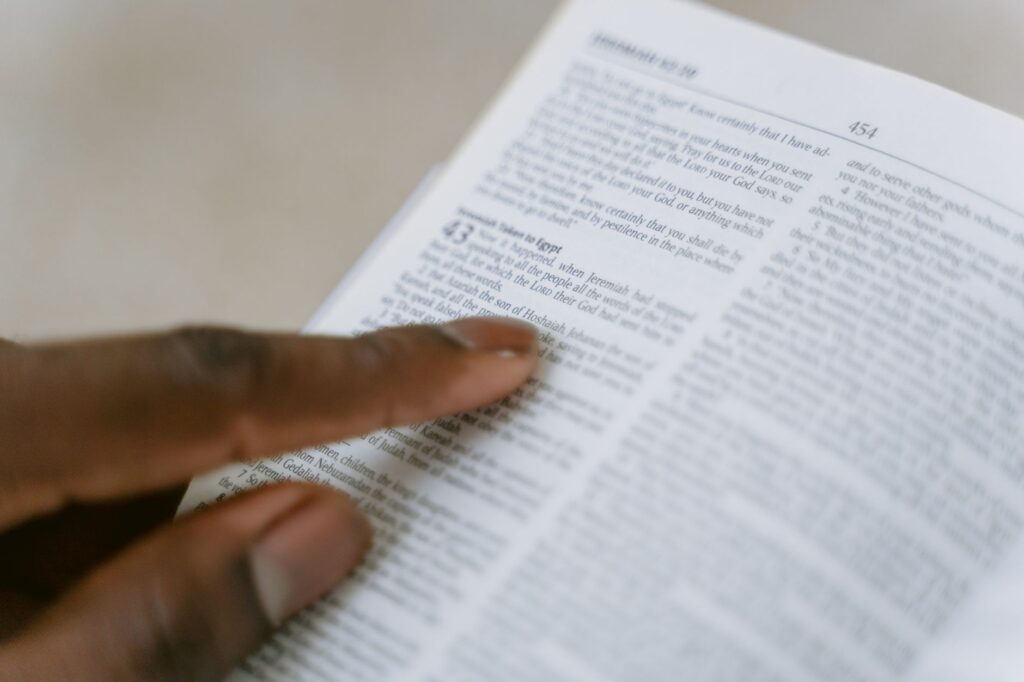
Trusting God in Difficult Circumstances
Finding Peace Amidst Trials
Life’s challenges can often shake our foundations of trust. However, the Bible offers reassurance in these tough times. Philippians 4:6-7 encourages us, saying, ‘Do not be anxious about anything, but in everything by prayer and supplication with thanksgiving let your requests be made known to God. And the peace of God, which surpasses all understanding, will guard your hearts and your minds in Christ Jesus’ (ESV). This passage not only calls us to trust God through prayer but also promises His peace in return.
During times of trial, it is crucial to remember that God’s plan might differ from our expectations. Proverbs 3:5-6 advises, ‘Trust in the Lord with all your heart, and do not lean on your own understanding. In all your ways acknowledge him, and he will make straight your paths’ (ESV). Trusting God requires surrendering our understanding and accepting His divine wisdom.
Examples of Trust in Adversity
The Scriptures provide numerous examples of individuals who trusted God during difficult circumstances. Here are a few notable figures:
- Job: Despite losing his wealth, health, and family, Job declared in Job 13:15, ‘Though he slay me, I will hope in him’ (ESV).
- David: In Psalm 56:3, David said, ‘When I am afraid, I put my trust in you’ (ESV), showing that even the great king faced fear and uncertainty.
- Esther: In Esther 4:16, she exhibited trust in God when she said, ‘If I perish, I perish,’ demonstrating her willingness to step into the unknown for the sake of her people.
The Connection Between Trust and Obedience
Trusting God Through Obedience
Trusting God is not merely an internal belief; it also manifests through our obedience to His Word. John 14:15 states, ‘If you love me, you will keep my commandments’ (ESV). This verse illustrates that our trust in God is expressed through our willingness to obey Him, even when we may not fully understand His directives.
The story of the Israelites in the wilderness serves as a poignant reminder of the importance of obedience in trust. Despite witnessing God’s miraculous provision, they often faltered in their faith. Numbers 14:11 recounts God’s lament, ‘How long will this people despise me? And how long will they not believe in me, in spite of all the signs that I have done among them?’ (ESV). Their disobedience resulted from a lack of trust in God’s promises and character.
The Blessings of Obedience
When we choose to trust God through obedience, we open ourselves to His blessings. Deuteronomy 28:1-2 promises, ‘And if you faithfully obey the voice of the Lord your God, being careful to do all his commandments that I command you today, the Lord your God will set you high above all the nations of the earth. And all these blessings shall come upon you and overtake you, if you obey the voice of the Lord your God’ (ESV). This passage highlights the direct correlation between our obedience and the blessings we receive from God.
To cultivate a heart of obedience rooted in trust, consider these steps:
- Study Scripture: Know what God asks of you through His Word.
- Seek accountability: Share your intentions and struggles with a trusted friend or mentor.
- Reflect on past obedience: Recall instances where following God’s commands led to positive outcomes.
- Pray for strength: Ask God for the courage to obey, especially in challenging situations.
Frequently Asked Questions
What does the Bible say about trusting God?
The Bible emphasizes trusting God as a crucial aspect of faith. Key verses highlight that trusting Him leads to peace, guidance, and reassurance in times of uncertainty.
How can I learn to trust God more?
To learn to trust God more, engage with Scripture, pray regularly, and reflect on past experiences of His faithfulness. Building a supportive community also helps reinforce trust.
Are there consequences for not trusting God?
While the Bible does not explicitly outline consequences for lack of trust, a life lived in fear and anxiety can hinder spiritual growth and prevent us from experiencing the fullness of God’s promises.
Can trust be rebuilt after it’s been broken?
Yes, trust can be rebuilt through consistent effort, open communication, and forgiveness. In relationships, it often takes time and commitment to restore trust.
The Bottom Line
In summary, the Bible verses about trust provide a foundation for understanding our relationship with God and others. Trusting in God leads to peace, strength, and a deeper faith. By studying Scripture, engaging in prayer, and reflecting on our experiences, we can cultivate a resilient trust that withstands life’s uncertainties. Ultimately, trusting God not only transforms our personal lives but also enriches our relationships with those around us.
Keep reading
More Trust & Surrender →



Weekly encouragement
Grow in the Word, one email at a time.
Free Bible study guides, prayer help and a verse to carry through your week. No spam, unsubscribe anytime.
Join the conversation