Why Should We Go To Church? Bible Verse Insights and Encouragement
Discover the reasons and Bible verses that explain why we should go to church, fostering community, worship, and spiritual growth.
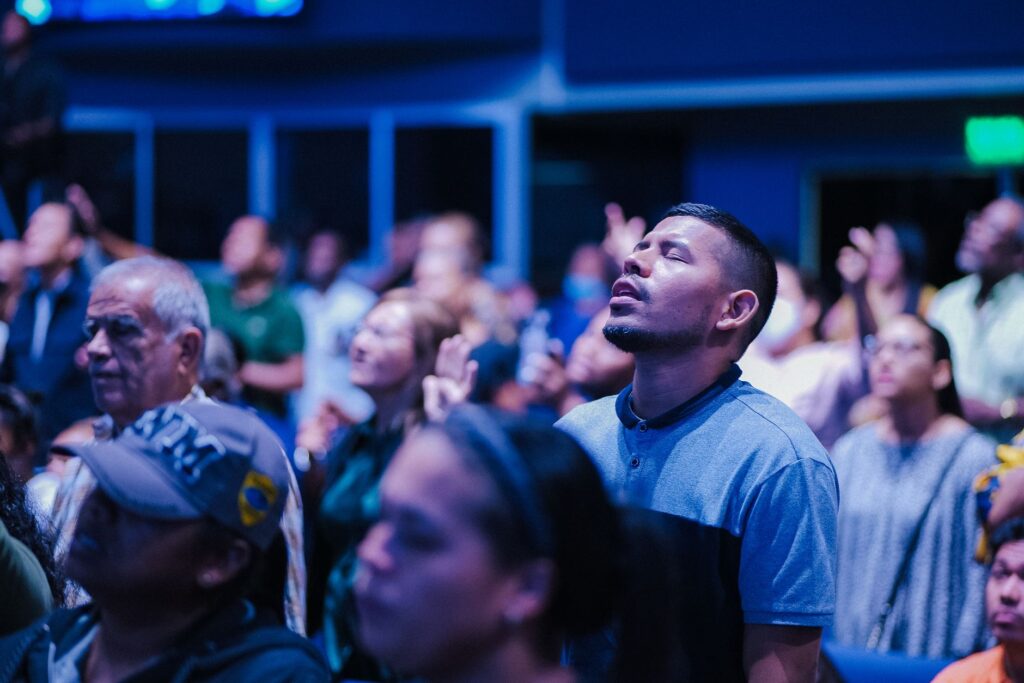
Key Takeaways
- Church provides community and support.
- Worship and teaching strengthen faith.
- Fellowship encourages growth in Christ.
- Scripture emphasizes the importance of gathering.
In today’s world, the question of why we should go to church can sometimes feel overwhelming. With busy schedules and numerous distractions, attending church might seem like just another obligation. However, the Bible offers profound insights into the significance of gathering with fellow believers. Understanding the scriptural basis for church attendance can reinvigorate our commitment to being part of a faith community.
Going to church is not merely a tradition or a habit; it is a vital part of our faith journey. In this article, we will explore the biblical reasons for attending church, the benefits of fellowship, and how gathering together can deepen our relationship with God and each other. As we reflect on these truths, we may find renewed purpose and encouragement to participate actively in our local congregations.
Throughout Scripture, we see the importance of community and worship, from the early church in Acts to the letters of Paul. Let’s delve into what the Bible teaches about the necessity of church attendance.
The Biblical Basis for Church Attendance
The foundation for attending church lies in the teachings of the Bible. Hebrews 10:24-25 emphasizes the importance of meeting together: “And let us consider how to stir up one another to love and good works, not neglecting to meet together, as is the habit of some, but encouraging one another, and all the more as you see the Day drawing near.” This verse highlights not only the act of gathering but also the purpose behind it, encouragement and the mutual stirring up of love and good deeds.
Another relevant passage is Matthew 18:20, where Jesus states, “For where two or three are gathered in my name, there am I among them.” This reinforces the idea that God’s presence is uniquely felt when believers come together. The church is not just a building; it is the body of Christ, united in faith.
Additionally, in Acts 2:42-47, we read about the early church: “And they devoted themselves to the apostles’ teaching and the fellowship, to the breaking of bread and the prayers… And the Lord added to their number day by day those who were being saved.” The early Christians understood the importance of community and worship, and their commitment led to spiritual growth and multiplication.
Community and Support
One of the most significant reasons to attend church is the community it provides. Life can be challenging, and having a supportive network of believers can make a substantial difference. Ecclesiastes 4:9-10 states, “Two are better than one, because they have a good reward for their toil. For if they fall, one will lift up his fellow…” This passage highlights the value of companionship and support in life’s journey.
Being part of a church allows individuals to form friendships that can withstand the trials of life. Sharing joys and sorrows with others fosters deeper connections and encourages accountability. For instance, imagine a woman named Sarah who feels isolated in her struggles as a single parent. By attending her local church, she finds a community that supports her through meal trains, prayer groups, and mentorship. This experience illustrates how church involvement can transform not only individual lives but also families and communities.
Moreover, church communities often engage in outreach efforts, allowing members to serve together. This service not only strengthens bonds among members but also fulfills the biblical call to care for those in need. Galatians 6:2 encourages us to “bear one another’s burdens, and so fulfill the law of Christ.” By working together, church members can fulfill this command and make a significant impact in their neighborhoods.

Spiritual Growth Through Worship and Teaching
Attending church is an opportunity for spiritual growth through worship and teaching. Romans 10:17 reminds us, “So faith comes from hearing, and hearing through the word of Christ.” Regularly participating in church services allows believers to hear the Word preached, which is essential for spiritual nourishment.
Worshiping together is a powerful experience. Psalm 95:1-2 invites us to “come, let us sing for joy to the Lord; let us shout aloud to the Rock of our salvation. Let us come before him with thanksgiving and extol him with music and song.” This communal expression of praise not only glorifies God but also encourages and uplifts individuals in their faith.
Additionally, many churches offer Bible studies and small groups. These settings provide a more intimate environment for learning and discussion about Scripture. Proverbs 27:17 states, “Iron sharpens iron, and one man sharpens another.” Being involved in these groups can help believers grow more profound in their understanding of the Bible and develop meaningful relationships that challenge and encourage them spiritually.
Creating a Culture of Fellowship
Fellowship is a vital aspect of the church experience. Acts 2:46-47 describes how the early church devoted themselves to fellowship and broke bread together. The sense of belonging that comes from shared experiences fosters a rich culture of support and love within the church. It creates a safe space for individuals to share their lives, struggles, and victories.
When believers gather regularly, they cultivate relationships that extend beyond the church walls. These friendships can provide encouragement during tough times and accountability in spiritual growth. The simple act of sharing a meal together can create lasting bonds and memories. For example, a church might organize potluck dinners where families bring dishes to share, allowing for casual conversations and deeper connections to form.
Furthermore, fellowship can take on many forms, from prayer meetings to service projects. Participating in these activities reinforces the idea that the church is a family, united by a common purpose. Philippians 2:1-2 encourages believers to be of the same mind, having the same love, being in full accord and of one mind, which can be manifested through shared fellowship experiences.
Opportunities for Service and Ministry
The church is a hub for service and ministry opportunities. Ephesians 2:10 tells us, “For we are his workmanship, created in Christ Jesus for good works, which God prepared beforehand, that we should walk in them.” Being part of a church gives believers a chance to discover and use their spiritual gifts in ways that benefit others.
Through various ministries, individuals can serve in areas that match their skills and passions, whether it’s teaching Sunday school, leading worship, or helping with community outreach. This service not only blesses others but also fosters personal growth and fulfillment. When we step outside our comfort zones to serve, we often discover new aspects of our faith and experience God’s presence in profound ways.
Moreover, engaging in service together can deepen the bonds within the church community. Working side by side in a local outreach program or mission trip can create lasting friendships and shared memories. It helps the body of Christ function as it was designed, as each member contributes their unique abilities for the greater good.

The Importance of Accountability
Accountability is a crucial element of spiritual growth that can be fostered through church attendance. Proverbs 27:17 reminds us that “iron sharpens iron, and one man sharpens another.” Being in a church community provides believers with the opportunity to hold one another accountable in their faith journeys.
This accountability can take many forms, from small group discussions to one-on-one mentorship. When we actively participate in a church, we are more likely to engage in honest conversations about our struggles and victories, allowing others to speak truth into our lives. James 5:16 encourages believers to “confess your sins to one another and pray for one another, that you may be healed.” This openness fosters an environment where individuals feel safe to share and grow.
Furthermore, accountability helps believers stay committed to their faith and walk in obedience to God’s Word. When we have others who encourage and challenge us, it becomes easier to resist temptation and remain steadfast in our faith. The church serves as a place where we can grow together, reminding each other of God’s promises and the importance of living according to His Word.
The Role of Corporate Prayer
Understanding the Power of Prayer in Community
Prayer is a vital aspect of the Christian faith, and when done in a corporate setting, it can amplify its effectiveness. Jesus Himself emphasized the significance of communal prayer in Matthew 18:19-20, stating, “Again, I tell you that if two of you on earth agree about anything they ask for, it will be done for them by my Father in heaven. For where two or three gather in my name, there am I with them.” This verse highlights the profound impact that collective prayer can have in eliciting God’s response.
When we gather as a church to pray, we not only support one another but also witness the unity of faith in action. This unity can lead to breakthroughs in personal struggles, communal issues, and even societal challenges. It reminds us that we are not alone in our burdens and that God is present among us.
Types of Corporate Prayer
Corporate prayer can take various forms, each serving a unique purpose in the life of the church. Here are some common types of corporate prayer:
- Prayer Meetings: Regularly scheduled gatherings focused solely on prayer for the church, community, and global issues.
- Intercessory Prayer: Praying on behalf of others, pleading for their needs and concerns before God.
- Worship Services: Integrating prayer into worship, creating a seamless experience of praising God while seeking His guidance.
- Healing Services: Specific gatherings dedicated to praying for physical, emotional, and spiritual healing.
Each of these types of corporate prayer reinforces the importance of coming together as a body of believers to seek God’s will and guidance.
The Impact of Prayer on the Church Community
Engaging in corporate prayer fosters a deeper sense of connection and accountability within the church. James 5:16 encourages believers to “confess your sins to each other and pray for each other so that you may be healed. The prayer of a righteous person is powerful and effective.” This verse not only underscores the effectiveness of prayer but also illustrates how it can lead to healing and restoration within the community.
Moreover, when churches prioritize prayer, they create an environment where members feel safe to share their struggles. This openness cultivates trust and strengthens relationships, enabling the church to operate as a true family in Christ.

Discipleship and Mentorship in the Church
The Call to Make Disciples
Jesus’ Great Commission in Matthew 28:19-20 commands us to “go therefore and make disciples of all nations, baptizing them in the name of the Father and of the Son and of the Holy Spirit, teaching them to observe all that I have commanded you.” This instruction highlights the church’s role in not just gathering for worship but also in actively participating in the discipleship process.
Discipleship involves a commitment to teaching and mentoring others in the faith. It is through this relational aspect that believers grow deeper in their understanding of Scripture and their walk with Christ. Church attendance provides the perfect setting for such growth to occur, as it brings together individuals at various stages of their spiritual journey.
Building a Mentorship Culture
To foster a culture of mentorship, churches can implement various strategies:
- Small Groups: Forming small groups focused on specific topics or life stages can facilitate deeper discussions and personal growth.
- Discipleship Classes: Offering classes that teach foundational Christian doctrines and practices can equip members for spiritual maturity.
- One-on-One Mentoring: Pairing seasoned believers with newer Christians encourages personal accountability and spiritual growth.
Each of these approaches not only enhances individual faith but also strengthens the overall church community, creating a robust network of support and encouragement.
The Importance of Lifelong Learning
Discipleship is not a one-time event but a lifelong journey. 2 Peter 3:18 reminds us to “grow in the grace and knowledge of our Lord and Savior Jesus Christ.” This growth is best achieved in a community setting where believers can share insights, ask questions, and learn from one another’s experiences.
By attending church regularly, members can continuously engage in learning, whether through sermons, Bible studies, or informal discussions. This culture of learning not only deepens individual faith but also prepares the church to face challenges and opportunities with wisdom and discernment.
Celebrating Sacraments Together
The Significance of Baptism
Baptism is an essential sacrament in the Christian faith that symbolizes the believer’s identification with Christ in His death, burial, and resurrection. Romans 6:3-4 states, “Or don’t you know that all of us who were baptized into Christ Jesus were baptized into his death? We were therefore buried with him through baptism into death in order that, just as Christ was raised from the dead through the glory of the Father, we too may live a new life.” This act of obedience not only signifies personal faith but also serves as a communal witness of God’s transformative power.
When a church gathers to celebrate baptisms, it is an opportunity for the congregation to rejoice together, affirming their shared faith and commitment to the Great Commission. This celebration fosters a sense of belonging and purpose among attendees.
The Lord’s Supper as a Unifying Experience
The Lord’s Supper, or Communion, is another vital sacrament that underscores the unity of the church. In 1 Corinthians 11:23-26, Paul writes about the significance of this ritual, emphasizing that it serves as a proclamation of the Lord’s death until He comes again. Partaking in Communion together deepens the church’s collective remembrance of Christ’s sacrifice and the covenant established through His blood.
Sharing the Lord’s Supper fosters a sense of belonging and community, reminding believers that they are part of the Body of Christ. It serves as a moment to reflect on one’s relationship with God and with one another.
Encouragement through Shared Experiences
Celebrating sacraments together encourages unity and strengthens the bond among church members. Acts 2:42 describes the early church’s commitment to “the apostles’ teaching and to fellowship, to the breaking of bread and to prayer.” This example illustrates the importance of coming together to celebrate and partake in meaningful spiritual practices.
By engaging in these sacraments, churches cultivate a sense of family, reinforcing the message that each member is integral to the body of Christ. This unity is essential for the church’s mission and effectiveness in the world.
Frequently Asked Questions
Why is church attendance important for my faith?
Church attendance is important because it provides a sense of community, opportunities for worship and teaching, and support from fellow believers. Being part of a church helps strengthen your faith and encourages spiritual growth.
What if I feel disconnected from my church community?
If you feel disconnected, consider reaching out to others in your church. Attend small groups or social events to build relationships. Sharing your feelings with a pastor or leader can also provide support and guidance.
Can I worship God outside of church?
Yes, you can worship God outside of church. However, gathering with fellow believers enhances your worship experience and provides opportunities for mutual encouragement and growth in faith.
How do I choose the right church for me?
To choose the right church, consider factors like doctrine, community, and ministry opportunities. Visit different churches, engage with members, and pray for guidance to find a place where you feel led to belong.
The Bottom Line
Attending church is a vital aspect of the Christian faith, as it fosters community, encourages spiritual growth, and provides opportunities for service and accountability. The Bible emphasizes the importance of gathering together, and through fellowship, worship, and teaching, we can experience the fullness of life in Christ. As we commit to being active participants in our local churches, we will find encouragement, support, and a deeper understanding of what it means to live out our faith.
Keep reading
More Overcoming Challenges and Trials →

Let Your Faith Be Bigger Than Your Fears: Key Insights and Verses
Finding Peace: Audio Bible Verses For Anxiety That Comfort

I Will Fear No Evil Bible Verse: Finding Courage in God
Weekly encouragement
Grow in the Word, one email at a time.
Free Bible study guides, prayer help and a verse to carry through your week. No spam, unsubscribe anytime.
Join the conversation