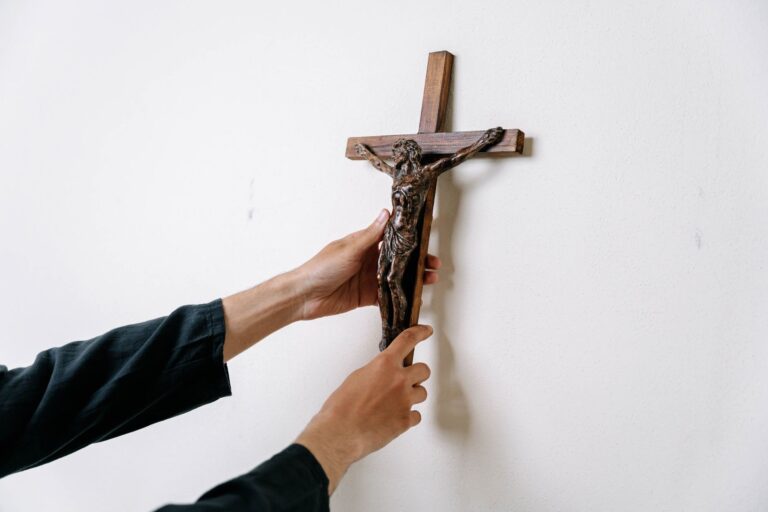
Faith and Trust in God
Deep And Wide Bible Verse: Unpacking Its Significance
Nov 22, 2026 · 11 min read
Explore the meaning behind the Bible verse 'What can man do to me?' and find encouragement in Scripture for facing fear and uncertainty.
Key Takeaways
In moments of fear and uncertainty, many Christians find themselves asking, “What can man do to me?” This phrase, derived from Scripture, offers profound encouragement and reassurance. The Bible teaches us that while humans may threaten or intimidate, ultimately, it is God who holds our lives in His hands.
This phrase is more than just a rhetorical question; it invites us to reflect on our fears and the power we ascribe to others. Understanding this verse helps us cultivate a deeper trust in God, who is our protector and refuge. Let us explore the biblical foundations of this statement and how it can inspire us in our daily lives.
We will look at the context of the phrase, its implications, and practical steps for embodying this truth in our lives.
The phrase “What can man do to me?” originates from the Bible, specifically in the book of Psalms and is echoed in the New Testament. The most direct reference can be found in Psalms 56:11, which states, “In God I trust; I will not be afraid. What can man do to me?” This verse highlights a profound truth: our trust in God diminishes the power of human threats.
The context of this verse is essential for understanding its weight. David, the psalmist, faced many adversities, including persecution from enemies. Despite these challenges, his unwavering faith in God provided him with peace and courage. This context teaches us that our fears, while real, can be managed through faith.
Moreover, in Hebrews 13:6, we find a similar sentiment: “So we can confidently say, ‘The Lord is my helper; I will not fear; what can man do to me?'” Here, the author encourages believers to rely on God’s presence in times of distress. The connection between these verses illustrates a consistent biblical theme that emphasizes God’s supremacy over human fear.
Fear is a natural response to threats, whether real or perceived. However, as Christians, we are called to respond to fear differently. 1 John 4:18 reminds us, “There is no fear in love, but perfect love casts out fear.” This verse teaches that the love of God is a powerful antidote to fear. When we grasp the extent of God’s love for us, our fear of man diminishes.
Understanding the dynamics of fear can help us navigate our responses. Fear often stems from a desire for control or security. When we place our trust in God, we acknowledge that He is our ultimate source of security. This perspective shift allows us to face challenges with courage.
Additionally, the act of trusting God is not passive; it is an active choice. We can actively engage in practices that strengthen our faith, such as prayer, reading Scripture, and fellowship with other believers. These spiritual disciplines help reinforce our confidence in God’s protection.
While the phrase “What can man do to me?” serves as a comforting reminder, it’s essential to incorporate practical steps into our daily lives to combat fear. Below are several actionable strategies:
By implementing these steps, we can cultivate a mindset that reflects the truth of Scripture, enabling us to respond to life’s challenges with faith rather than fear.
Consider the story of a young woman named Sarah, who faced significant anxiety about her job security. In her workplace, rumors of layoffs circulated, and fear began to grip her heart. Sarah often found herself worrying about her future, but she decided to turn to Scripture for comfort.
She began to meditate on Philippians 4:6-7, which encourages believers not to be anxious but to present their requests to God. Sarah committed to prayer, sharing her fears with God, and seeking guidance. Over time, she felt a sense of peace wash over her as she reminded herself that her worth and security are rooted in God, not her job.
Eventually, Sarah discovered that she was not laid off, and her company was committed to its employees. Through this experience, she learned the power of trusting God amidst uncertainty. By regularly reflecting on the question, “What can man do to me?” she found strength and confidence in her faith.
Faith serves as a vital tool in overcoming fear. The Bible often encourages believers to place their trust in God rather than in their circumstances. Proverbs 3:5 states, “Trust in the Lord with all your heart, and do not lean on your own understanding.” This verse emphasizes that faith involves surrendering our limited understanding and trusting in God’s greater plan.
Moreover, faith is a choice we make daily. In the face of fear, we can either respond by seeking God’s help or by allowing anxiety to take over. Choosing faith means actively deciding to believe that God is in control, even when situations seem bleak.
As we grow in faith, we often find that our fears diminish. This transformation can be gradual, but consistent reliance on God leads to a more resilient spirit. The more we acknowledge God’s sovereignty, the less power we give to our fears.
Affirmations rooted in Scripture can serve as powerful reminders of God’s promises. Here are some biblical affirmations to consider:
Repeating these affirmations can help anchor your heart in God’s truth, reinforcing the message that man’s power is limited compared to God’s limitless strength.
When faced with fear, one of the most powerful tools a Christian has is the community of fellow believers. In Hebrews 10:24-25, we are encouraged to consider how to spur one another on toward love and good deeds, not giving up meeting together. This emphasizes the importance of gathering with others who share your faith, as they can provide encouragement and strength when you feel weak or afraid.
Being part of a church or small group can create a space where individuals feel safe to share their fears and struggles. This sharing can lead to prayers, support, and practical help from others who may have experienced similar challenges. As Galatians 6:2 reminds us, “Carry each other’s burdens, and in this way, you will fulfill the law of Christ.” When we lean on each other, we can find the strength to overcome our fears.
Prayer is a cornerstone of Christian fellowship. In Matthew 18:20, Jesus states, “For where two or three gather in my name, there am I with them.” This highlights the power of communal prayer in facing fears. When believers come together to pray, they invite the presence of God into their situation, which can provide strength and comfort.
Consider forming a small prayer group where members can bring their fears before God collectively. Here are some ideas for structuring such a group:
Sharing scripture in the context of community can also provide encouragement. Consider passages like 2 Timothy 1:7, which states, “For God has not given us a spirit of fear, but of power and of love and of a sound mind.” Reminding one another of God’s promises can help shift focus from fear to faith.
Another powerful verse to share is Psalms 34:4, where David writes, “I sought the Lord, and he answered me; he delivered me from all my fears.” Sharing testimonies of how God has worked in your life or the lives of others can inspire faith and courage within your community.

Worship is a profound expression of our faith, and it serves as a powerful weapon against fear. In Psalm 22:3, it is written, “Yet you are holy, enthroned on the praises of Israel.” This suggests that God inhabits the praises of His people, and in times of fear, turning to worship can shift our perspective from our problems to the greatness of God.
When we worship, we remind ourselves of who God is, His past faithfulness, and His promises. This can help us to confront our fears with a renewed sense of courage. Try creating a worship playlist that includes songs focusing on God’s strength and faithfulness.
There is a unique power in worshiping through song, especially in community. In Colossians 3:16, we are encouraged to teach and admonish one another with psalms, hymns, and spiritual songs. Singing together can foster a sense of unity and shared purpose while lifting our spirits in the process.
Consider incorporating worship into your gatherings, whether through singing, listening to music, or having someone lead in worship. Here are some songs that can be uplifting in times of fear:
To enhance the impact of worship, create a worshipful environment in your home or community space. This can include elements like candles, scripture displays, and prayer stations that encourage reflection and worship. In Psalm 100:4, we are reminded to enter His gates with thanksgiving and His courts with praise, which can be an intentional practice in your worship setting.
Encourage each member to express their worship in a way that resonates with them, whether through art, music, or spoken word. This diversity can enrich the experience and foster a deeper understanding of God’s presence, helping to alleviate fears collectively.
Understanding God’s sovereignty is crucial in overcoming fear. In Isaiah 41:10, God reassures us, “So do not fear, for I am with you; do not be dismayed, for I am your God. I will strengthen you and help you; I will uphold you with my righteous right hand.” This verse emphasizes that God is always in control, even in the midst of chaos.
Recognizing God’s ultimate authority over all circumstances can provide significant comfort. When fears arise, remind yourself of the many instances in scripture where God demonstrated His sovereignty, such as during the storms the disciples faced (Mark 4:39) and how He calmed the sea with just His words.
God’s timing is often different from ours, and learning to trust in it can help alleviate fears about the future. In Ecclesiastes 3:1, we read, “There is a time for everything, and a season for every activity under the heavens.” This verse serves as a reminder that God has a perfect plan for our lives, even when it feels uncertain.
When fear of the unknown creeps in, reflect on the stories of biblical figures who had to wait on God’s timing. For example, Abraham and Sarah waited many years for the promised son, Isaac. Their experience teaches us that God’s promises may take time, but they are always fulfilled in His perfect timing.
Finally, reflecting on God’s past faithfulness can help combat present fears. In Psalms 77:11-12, the psalmist declares, “I will remember the deeds of the Lord; yes, I will remember your miracles of long ago. I will consider all your works and meditate on all your mighty deeds.” When we remember how God has acted in our lives and the lives of others, we can find the courage to face our current fears.
Keep a journal of answered prayers and moments when God has proven His faithfulness. This practice can serve as a reminder that God does not change, and just as He has been faithful in the past, He will continue to be so in the future, helping us to overcome our fears with confidence.
This phrase expresses the belief that while humans may pose threats or challenges, ultimately, God’s power and protection overshadow any earthly fears.
The phrase is echoed in Psalms 56:11 and Hebrews 13:6, emphasizing trust in God over fear of man.
By actively trusting God through prayer, Scripture reading, and community support, you can cultivate courage and diminish fear of man.
Consider seeking professional help, engaging in prayer, and using Scripture as a foundation for encouraging affirmations to combat fear.
Ultimately, the question “What can man do to me?” is a profound reminder of God’s sovereignty and protection. By placing our trust in Him, we can face life’s uncertainties with courage and assurance. As we lean into our faith, we find that our fears are diminished, allowing us to live fully in the light of God’s promises.
Weekly encouragement
Free Bible study guides, prayer help and a verse to carry through your week. No spam, unsubscribe anytime.



Join the conversation