The power of the tongue is a topic that resonates deeply within the Christian community. Words can heal, inspire, and encourage, but they can also hurt, discourage, and destroy. As believers, it is essential to understand the impact of our words and the responsibility we have to choose them wisely. In this article, we will explore tongue Bible verses about words that hurt and delve into their significance, drawing from biblical teachings to guide our speech in a manner that reflects God's love and truth.
Understanding the Weight of Our Words
The book of Proverbs tells us, "The tongue has the power of life and death, and those who love it will eat its fruit" (Proverbs 18:21, NIV). This verse encapsulates the dual nature of our words. They can either bring life—through encouragement and truth—or bring death—through insults, gossip, and lies. Recognizing this heaviness should compel us to reflect on how we communicate with others.
Hurtful words often stem from deep-seated emotions, frustrations, or misunderstandings. James 3:5-6 illustrates this danger vividly: "Likewise, the tongue is a small part of the body, but it makes great boasts. Consider what a great forest is set on fire by a small spark. The tongue also is a fire…" (NIV). Just as a tiny spark can ignite an enormous blaze, a single careless word can lead to significant emotional pain and discord.
Biblical Insights on Words That Hurt
Within Scripture, we find several examples that highlight the consequences of harmful speech. The story of Miriam, Moses’ sister, serves as a sobering reminder of the repercussions of slander (Numbers 12:1-15). When Miriam spoke critically against her brother Moses, she was struck with leprosy as a consequence of her words. This illustrates not only the gravity of her offense but also God's desire for unity and respect among His people.
Another poignant example is found in Proverbs 15:1: "A gentle answer turns away wrath, but a harsh word stirs up anger" (NIV). This verse teaches us that our responses are crucial. When faced with a hurtful comment, do we respond in kindness or retaliate with harshness? The choice we make can either de-escalate a conflict or exacerbate it.
Practical Applications for Speaking Wisely
To align our speech with God's will, we can draw upon these principles:
Be Mindful of Your Words: Before speaking, take a moment to consider the potential impact of your words. Are they building up or tearing down? Ephesians 4:29 encourages us, "Do not let any unwholesome talk come out of your mouths, but only what is helpful for building others up according to their needs…" (NIV).
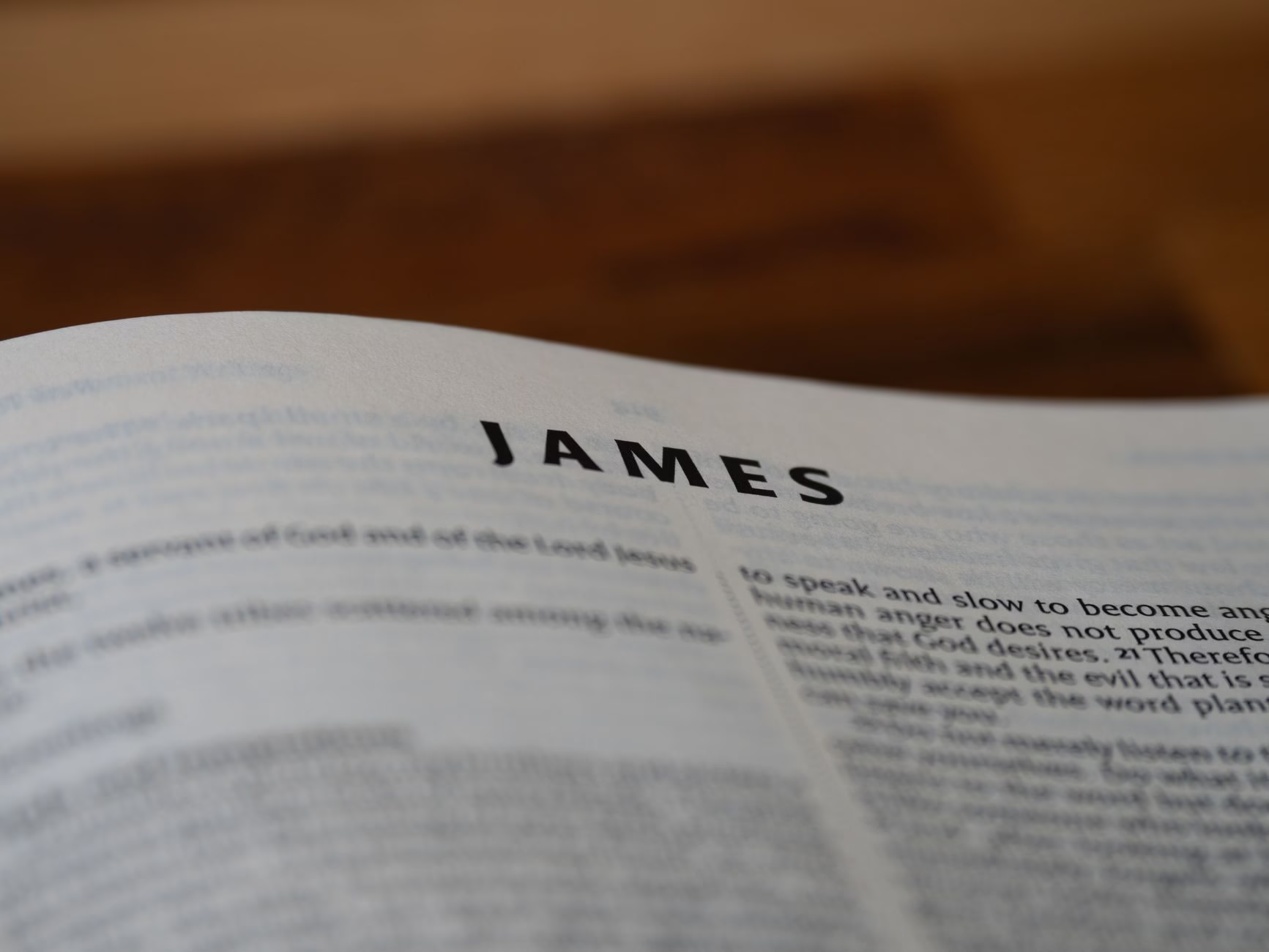
Practice Active Listening: Sometimes, hurtful words stem from misunderstandings. James 1:19 wisely advises believers to "be quick to listen, slow to speak, and slow to become angry." By listening intently, we can discern the needs and emotions of others, leading to more compassionate responses.
Respond with Grace: In Colossians 4:6, we’re reminded, "Let your conversation be always full of grace, seasoned with salt, so that you may know how to answer everyone" (NIV). Speaking with grace helps to foster an environment of mutual respect and healing.
Choose Encouragement Over Criticism: Hebrews 10:24-25 urges believers to "consider how we may spur one another on toward love and good deeds, not giving up meeting together… but encouraging one another." Making a conscious effort to uplift others can create a more positive atmosphere.
Conclusion
The Bible is replete with wisdom about the tongue and the impact of our speech. As believers, we are called to reflect Christ in our words and actions. The verses we explored remind us of the significant influence our words hold—capable of bringing both healing and hurt. By embracing the biblical principles of mindful speaking, active listening, graciousness, and encouragement, we can move towards a life that honors God and uplifts those around us.
In our daily interactions, let us strive to be ambassadors of Christ, speaking words that reflect His love, truth, and grace. By doing so, we not only avoid unnecessary hurt but also become vessels of hope and healing in a world that desperately needs it. May we honor God in our speech and seek to build one another up with each word we say.