Tears Are Prayers Too: A Deep Dive into the Biblical Perspective
Tears are often seen as a sign of vulnerability, an emotional response that we try to hide. Yet, the Bible perceives tears in a different light — as soulful prayers that communicate the deepest yearnings of our hearts when words fall short. Today, we explore the profound biblical perspective that recognizes tears as powerful expressions of prayer, bridging the human spirit with the divine.
scripture">The Power of Tears in Scripture
The Bible is filled with narratives where tears play a crucial role in the spiritual journey of its characters. Understanding these stories provides insight into how tears are regarded as sacred conversations with God.
Hannah's Silent Plea: In 1 Samuel 1:10, we find Hannah, the mother of the prophet Samuel, weeping bitterly at the temple. Her tears and silent prayers reveal an anguish so profound that even the priest mistook her for being drunk. Yet, God heard her silent cries, and Hannah's story became one of answered prayers.
David's Unspoken Lament: In the Psalms, particularly Psalm 6:6, King David speaks of drenching his couch with tears, illustrating a soul laid bare before God. David’s psalms often reflect this heartfelt, tearful connection with God, marking him as a man after God's own heart.


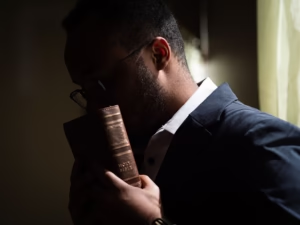
These instances show that tears are not signs of weakness but are often the raw, unfiltered outpourings of a soul in prayer.
Why Are Tears Considered Prayers?
Tears Express the Inexpressible
In moments of despair or overwhelming joy, words can fail us. Tears, however, express a language that transcends verbal communication. They reflect pure emotion — a heartfelt cry to God that resonates beyond spoken prayer.
The Emotional Connection with the Divine
Empathy from the Divine: The Bible assures us that God is intimately aware of our feelings. Psalm 56:8 tells us that God collects our tears in a bottle, depicting a compassionate Heavenly Father who values every tear and understands its significance.
The Transformative Power of Tears: Tears can catalyze spiritual transformation. As seen in Luke 7:38, a woman wept at Jesus' feet, her tears symbolizing remorse, worship, and love, leading to forgiveness and spiritual renewal.
Tears Foster a Deeper Spiritual Relationship
Praying through tears often leads individuals to a deeper, more authentic relationship with God. By expressing our truest feelings, unfiltered by societal expectations or personal pride, we open ourselves to divine healing and support.
How to Embrace Tears as Prayers
Embracing tears as a form of prayer involves understanding their role and allowing ourselves to express emotion without judgment.
Acknowledge Your Feelings: Recognize that feeling overwhelmed is part of the human experience. Allow yourself to embrace your emotions as a starting point for prayer.
Create a Safe Space for Tears: Whether alone in prayer or within a supportive community, find a space where you can freely express your emotions.
Reflect and Meditate: Use your tears as a meditation focus. Reflect on what stirs these emotions and what God might be saying through them.
Journal Your Experience: Writing down when and why you cry can provide insight into your spiritual journey and act as an extended form of prayer.
Trust in God’s Response: Believe that God hears and responds to every tear. Faith in this divine interaction can bring comfort and assurance.
Conclusion: Finding Hope in the Weeping
Recognizing tears as prayers opens a new dimension of spiritual communication that validates the emotional journey. By aligning our tears with prayer, we affirm that even in our deepest sorrow, we are not alone but in the presence of a compassionate God who listens intently. So, the next time tears fall, let them be an unspoken prayer, a quiet surrender of the soul, knowing that they are seen and cherished by a loving Creator.
Tears can cleanse the soul and connect us to a divine empathy that words cannot capture. In this sacred space, we find healing and hope, realizing that every tear shed is a prayer answered in its right time.