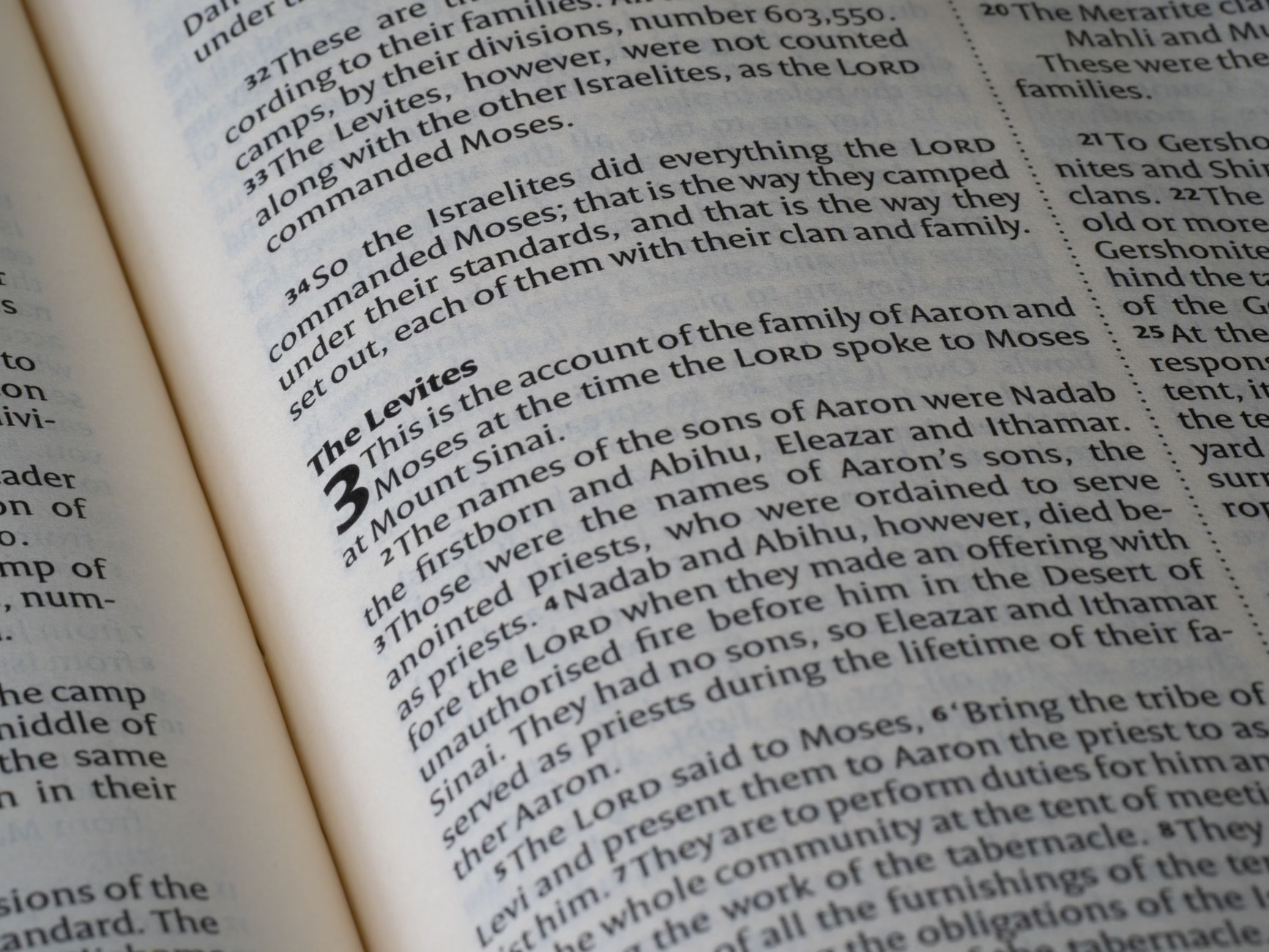
Short answer: The Bible does not specifically mention the phrase 'seventh son of a seventh son.' However, the number seven symbolizes completion and perfection, as seen in Genesis 2:2-3 and Revelation 1:4.
The Myth and Mystery: The Seventh Son of a Seventh Son in the Bible
The phrase “seventh son of a seventh son” evokes intrigue and mystery, conjuring images of extraordinary gifts and powers passed down through generations. This long-standing folklore has captured imaginations for centuries, but how does it tie into the Bible? Let’s explore the roots, implications, and how this concept intertwines with biblical teachings.
Understanding the Concept of the “Seventh Son”
Origins in Folklore and Tradition
The idea of the “seventh son of a seventh son” primarily springs from Western folklore, especially abundant in cultures across Europe and the Americas. It’s a belief that if a male child is the seventh son in a family, and his father was also a seventh son, he possesses unique abilities or a special destiny. These abilities can include:
- Healing powers.
- Inherent wisdom or superintelligence.
- Prophetic visions or spiritual insight.
Cultural Variations
Different cultures harbor various iterations of this belief:
- In Irish tales, the seventh son might possess powers of healing or be seen as a touchstone for good fortune.
- Eastern European legends sometimes credit him with the ability to shapeshift or converse with the animal kingdom.
Biblical Connections: Fact and Fiction
An Examination of Scripture
Contrary to popular belief, the Bible does not explicitly mention the “seventh son of a seventh son,” yet several scriptures capture a sense of mystique around the number seven. Biblically, the number seven represents completion and perfection:
- Genesis highlights the completion of creation in seven days.
- The Book of Revelations is replete with references to the number seven (seven seals, seven trumpets, etc.).
While the Bible values the number 7, no direct linkage exists between the “seventh son” in terms of human lineage—making this lore primarily a cultural rather than scriptural belief.
Symbolic Interpretations
Despite the absence of an explicit biblical reference, some interpret stories such as the miraculous births of patriarchs like Isaac (born to Sarah at ninety) as embodying themes surrounding the miraculous or extraordinary. These interpretations, however, should be approached with theological caution and not mistaken as direct support for the seventh son narrative.
The Perceived Powers and Historical Perspectives
The Power of Healing
Throughout history, various accounts have attributed healing abilities to the seventh sons. These anecdotes, while thriving in folklore, often stem from:
- Lack of scientific understanding in historical times.
- Placebo effects and psychological impacts on believers.
Influence on Popular Culture
The concept doesn’t merely live in the dusty corridors of history or folklore but has significantly influenced modern media:
- Literature and Movies: The trope appears in novels like “Seventh Son” by Orson Scott Card and numerous fairy tales.
- Music: British heavy metal band Iron Maiden featured a concept album titled “Seventh Son of a Seventh Son,” bringing this idea into the realm of rock culture.
Bridging Myth with Modern Spiritual Discourse
Reflecting on Symbolism
In today’s multifaceted spiritual journeys, some may find personal significance in the narrative of the seventh son, drawing parallels to inherent spiritual gifts or a divine calling in broader, personalized interpretations.
Cautionary Advisement
While the mystique of being a seventh son of a seventh son can be appealing, it’s crucial to separate cultural myth from religious doctrine. Faith-based journeys should prioritize foundational scripture over mystical lore for spiritual understanding and growth.
Conclusion: Unveiling Truth and Tale
The seventh son of a seventh son stands as a testament to humanity’s age-old love for stories that blend mystery with the mundane, weaving hopes of extraordinary destinies. While the Bible does not substantiate these specific beliefs, the fascination endures—spanning centuries, cultures, and even religions—capturing the essence of our quest to find meaning beyond the ordinary. The enduring power of this myth lies not in its factual basis, but in its ability to spark wonder and stir the imagination, urging a questioning spirit toward greater truths beneath the surface of lore and legend.
Key Takeaways
- The Bible does not reference a 'seventh son of a seventh son.'
- The number seven symbolizes completion and perfection in Scripture.
- Mythological perspectives on the seventh son often stem from folklore, not biblical teachings.
- It's essential to prioritize scripture over cultural myths in spiritual journeys.
Focus on Scripture
Engage with foundational biblical texts to deepen your understanding of spiritual concepts. Avoid blending cultural myths with your faith to ensure clarity in your beliefs.
Frequently Asked Questions
Is the concept of the seventh son in the Bible?
No, the Bible does not mention the 'seventh son of a seventh son.' This idea is rooted in folklore rather than scripture.
What does the number seven represent in the Bible?
In the Bible, the number seven signifies completion and perfection, as shown in Genesis 2:2-3 where God completes creation in seven days.
Are there any biblical characters that symbolize extraordinary gifts?
While the Bible features many remarkable individuals, like Isaac and Samuel, their narratives do not align with the folklore of the seventh son.
How has the idea of the seventh son influenced culture?
The concept appears in various forms within literature, music, and movies, demonstrating its broad cultural impact beyond biblical references.
The Bottom Line
The tales of the seventh son may captivate our imagination, yet grounding our beliefs in scripture leads to deeper spiritual understanding. Always seek wisdom in the Word as you navigate these intriguing concepts.