worship-so-will-i-exploring-the-bible-verse">If the Stars Were Made to Worship, So Will I: Exploring the Bible Verse
In a world often driven by chaos and distraction, the notion of worship remains a profound aspect of human existence. It connects us to something greater than ourselves, an embrace of the divine that echoes through creation. One poignant expression of this sentiment is found in the phrase, “If the stars were made to worship, so will I.” This quote, reminiscent of themes found in scripture, invites us to reflect on our place in the cosmos and how we, like the stars, can express reverence for our Creator.
This blog post will delve into the significance of this phrase, exploring biblical references, its meaning in contemporary worship, and how we can incorporate this spirit of worship into our daily lives.
The Biblical Foundation of Worship
understanding-worship-in-scripture">1. Understanding Worship in Scripture
Worship is a central theme in the Bible, manifesting itself in various forms—through song, prayer, and acts of service. Key scripture that underpins this idea includes:
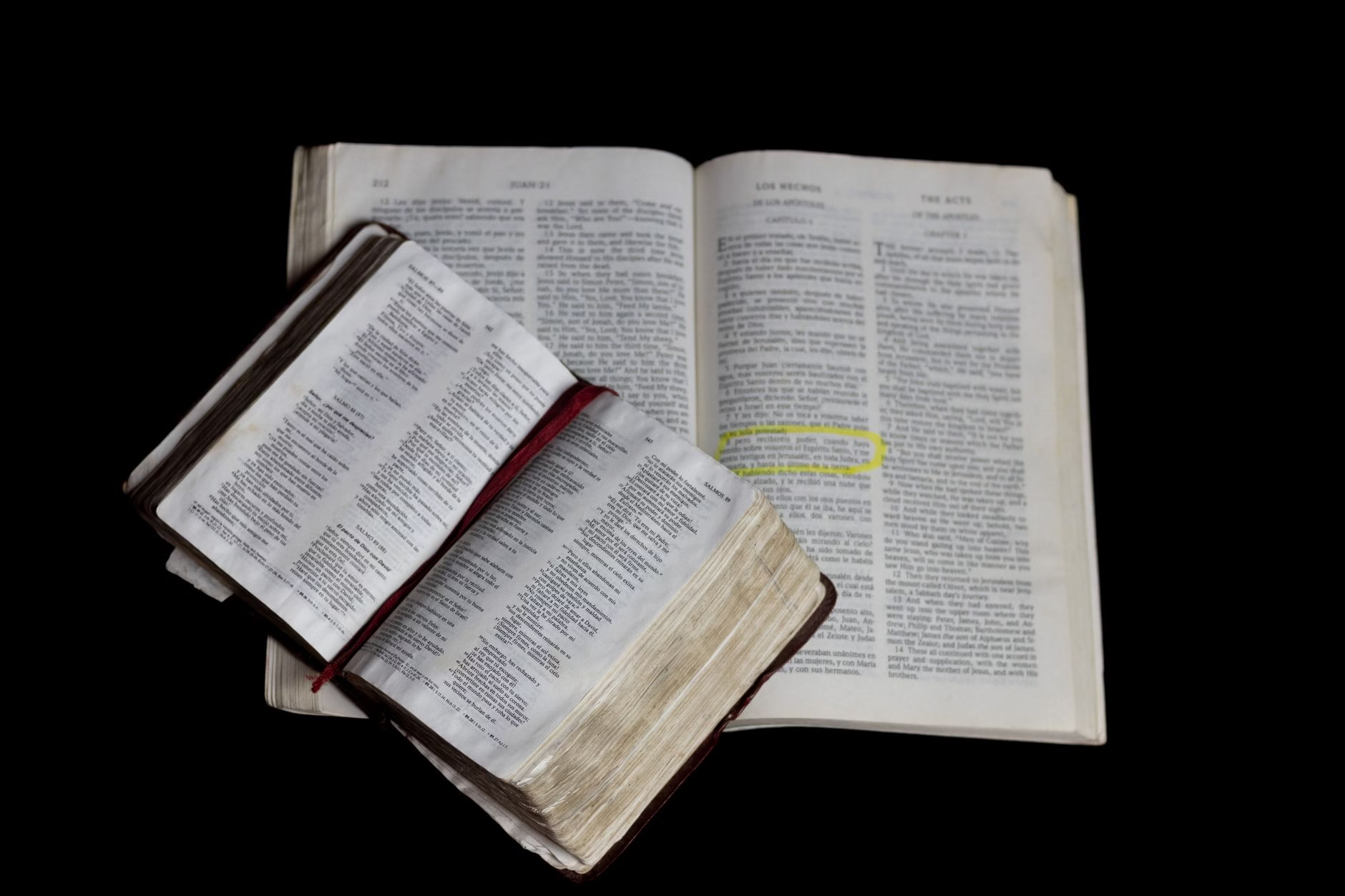
- Psalm 148: Here, the psalmist calls upon all of creation, including heavenly bodies, to praise the Lord: “Praise Him, sun and moon; praise Him, all you shining stars!”
- Isaiah 40:26: This verse emphasizes God's majesty in creation, stating, “Lift up your eyes on high and see: Who created these? He who brings out their host by number, calling them all by name; by the greatness of His might, and because He is strong in power, not one is missing.”
These verses illustrate that worship isn't limited to human expression; the heavens themselves join in glorifying the Creator.
Related Posts:

2. The Stars as a Metaphor for Worship
Stars are powerful symbols in many cultures and religions. In the biblical context:
- Creativity of God: Stars reflect the creativity and grandeur of God. Their beauty prompts humanity to acknowledge the Creator.
- Guidance and Promise: Stars often symbolize guidance (think of the Star of Bethlehem) and the promises of God (such as Abraham’s multitude of descendants compared to the stars).
This metaphor enhances the understanding that, just as stars fulfill their purpose by shining brightly in the night sky, we too are called to shine in our worship and service.
Contemporary Application: Worshiping in Daily Life
1. Making Worship a Lifestyle
The intention behind “If the stars were made to worship, so will I” is about acknowledging that worship is not confined to church services—it permeates our daily lives. Here’s how you can embody this:
- Intentionality: Set aside time for prayer and reflection daily.
- Attitude of Gratitude: Approach everyday tasks with a heart full of thanks. Simple acts can become worshipful moments.
- Acts of Service: Serve others selflessly. As noted in Matthew 25:40, “Whatever you did for one of the least of these brothers and sisters of mine, you did for me.”
2. Music and Worship
Music has always been a profound way to express worship. Many contemporary worship songs echo the sentiment of creation praising God. Here are some songs that resonate with the phrase:
- “So Will I (100 Billion X)” by Hillsong United: This song beautifully echoes the theme of creation worshiping God.
- “How Great is Our God” by Chris Tomlin: A classic anthem celebrating God’s magnificence in creation.
Engaging with music in worship can deepen your connection to the divine and transform your spirit.
3. Connecting with Nature
Nature itself serves as a grand tapestry woven by God’s hands, reminding us of His glory. When you are outdoors and marvel at the stars or the beauty of a sunrise, pause to acknowledge their purpose:
- Sunsets and Sunrises: Witness the beauty of a sunset or sunrise, reflecting on the constancy of God’s creation.
- Stargazing: Spend an evening under the stars. Allow the vastness of the universe to amplify your praise.
Conclusion: A Call to Worship
The phrase “If the stars were made to worship, so will I” is a powerful reminder that worship is a universal language. Just as the stars twinkle in the night sky, praising their Maker, so too can we, in our own unique ways, express our amazement and love for the Creator.
By engaging in worship through our daily actions, or by recognizing the beauty of God’s handiwork in nature and music, we reflect the essence of our existence. As we embrace this truth, let it resonate in our hearts: our lives are not merely a collection of moments but a continuous act of worship, echoing the praises of the heavens above.
So, let us lift our voices, our hearts, and our lives in worship—if the stars were made to worship, so will we!