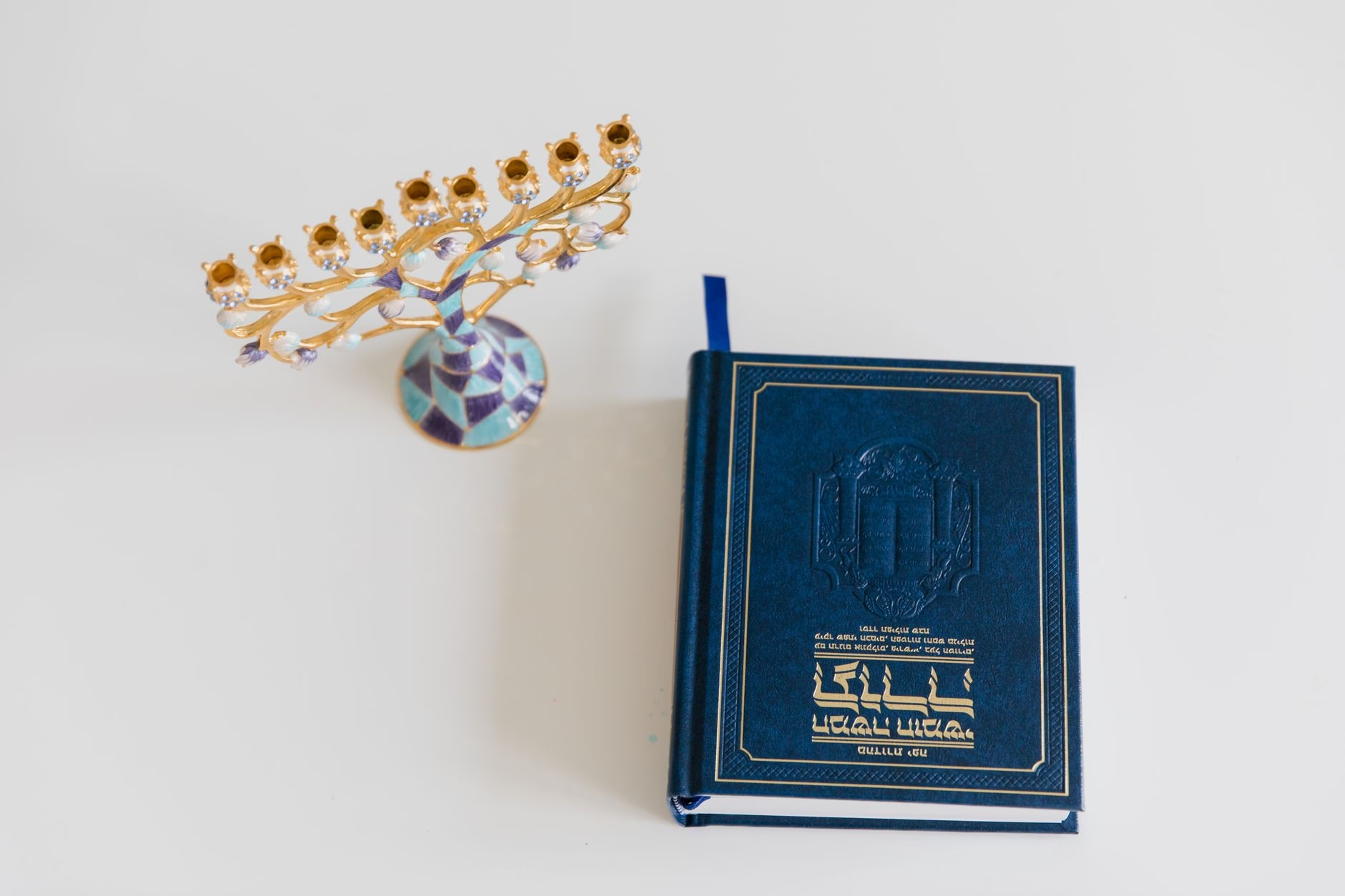
A Deep Dive into the Hanukkah Bible Verse: Illuminating the Festival of Lights
Hanukkah, also known as the Festival of Lights, is a beloved Jewish holiday celebrated for eight nights and days. It commemorates the rededication of the Second Temple in Jerusalem during the second century BCE, following the victory of the small Maccabean army over the Seleucid Empire. While Hanukkah is not explicitly mentioned in the Torah, several historical and religious texts, including the Bible, offer insights that enrich the understanding of this joyous celebration. In this blog post, we explore the significance of the Hanukkah Bible verse and its implications for the festival today.
Understanding Hanukkah: A Brief Overview
Before delving into specific Bible verses, it’s important to grasp the basics of Hanukkah:
- Historical Background: Hanukkah marks the miracle of the oil, wherein a small amount of consecrated oil, enough to last only one day, miraculously burned for eight days.
- Customs and Traditions: Celebrants light the menorah, enjoy foods fried in oil, and exchange gifts.
- Core Themes: Hanukkah embodies themes of religious freedom, the triumph of light over darkness, and spiritual perseverance.
The Hanukkah Bible Verse: Unpacking Its Meaning
Unlike most Jewish holidays, Hanukkah is not commanded in the Torah. However, the festival is referenced in the Bible, specifically in passages from the Books of Maccabees found in the Apocrypha. These texts, though not part of the Hebrew Bible, provide critical insights:
Related Posts:
- 1 Maccabees 4:36-59: Chronicles the military victory and the rededication of the temple, establishing the eight-day festival.
- 2 Maccabees 10:1-8: Describes the purification of the temple and the joy of the people at reclaiming their place of worship.
These passages highlight the themes of divine intervention and the resilience of the Jewish people. The rededication was not just a physical cleansing, but also a spiritual renewal and affirmation of faith.
The Spiritual Symbolism of Hanukkah
The narrative of Hanukkah offers profound spiritual lessons relevant for both historical and contemporary reflections:
- Light Overcoming Darkness: The menorah’s glow represents the triumph of spirituality over materialism and hope over despair.
- Faith and Persistence: The Maccabees’ victory illustrates that faith and commitment to one's beliefs can prevail against overwhelming odds.
These motifs resonate in both Hanukkah’s historical context and its present-day observance, encouraging individuals to find light within darkness and strength within themselves.
Bringing the Message of Hanukkah Into Modern Times
While rooted in ancient history, Hanukkah holds contemporary relevance, offering lessons that extend beyond the Jewish community:
- Interfaith Understanding: The festival encourages dialogue between cultures and religions, highlighting common values of freedom and resilience.
- Community Involvement: Hanukkah is an opportunity to engage in social action, fostering goodwill and support for those in need.
- Personal Introspection: Individuals are invited to consider their own sources of light and resilience, developing inner strength to face modern challenges.
Conclusion: Embracing the Light of Hanukkah
Hanukkah is much more than a historical commemoration; it's a vibrant, living celebration with deep spiritual and cultural implications. By understanding the Hanukkah Bible verse and its associated texts, we gain insights not only into Jewish history but also into universal narratives of hope, courage, and renewal. As lights from menorahs around the world illuminate winter nights, they remind us of the enduring power of faith and the inexhaustible stores of perseverance within us all.
In this season of Hanukkah, may the stories and lessons inspire not just observance, but a commitment to embodying these values every day. Let us celebrate the miracles of the past while creating new miracles in the present.