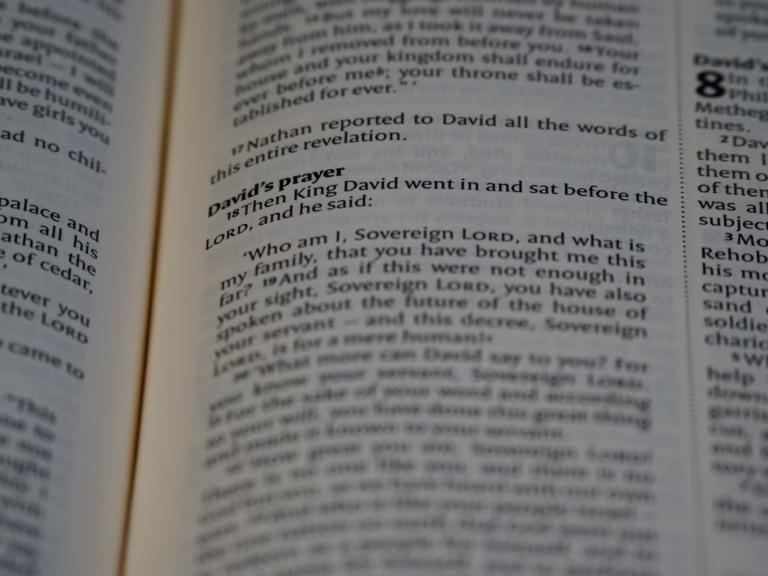
God Hates Religion Bible Verse

GOD HATES RELIGION BIBLE VERSE

Table of Contents

Short answer: The Bible verses that convey God's disdain for empty religious practices include Isaiah 1:11-17 and Amos 5:21-24. These passages emphasize that God values genuine faith and righteous actions over mere rituals.

God Hates Religion: Biblical Verses and Insights

Religion has been a cornerstone of human society, shaping cultures and influencing personal and collective identities worldwide. However, within the context of Christian teachings, the notion that God may dislike loosely defined “religion” might raise a few eyebrows. This concept, seemingly paradoxical, leads us to probe deeper into scriptural texts to understand what it truly means.

Understanding Religion in Context

The word "religion" often conjures images of rituals, traditions, and doctrines—elements that characterize many organized faiths. In Christianity, however, this term can assume a different connotation when viewed through a biblical lens. Distinguishing between mere religious practices and genuine faith is vital to decoding the suggested animosity toward "religion" as expressed in biblical texts.

The Dichotomy of Ritual and Faith

In the Bible, God’s displeasure is often directed not towards worship itself, but towards ritualistic practices that are devoid of genuine faith and righteousness. Several Bible verses critique practices void of true spiritual commitment.

Key Bible Verses:

  • Isaiah 1:11-17: "The multitude of your sacrifices—what are they to me?” says the Lord. This passage emphasizes how God rejects offerings made without heartfelt repentance and justice.
  • Amos 5:21-24: “I hate, I despise your religious festivals; I cannot stand your assemblies.” The prophet Amos relays God’s message that emphasizes the importance of righteous behavior over mere ceremonial adherence.
  • Matthew 23:27-28: Here, Jesus criticizes religious leaders, comparing them to whitewashed tombs, which look beautiful outside but are full of dead bones inside, underscoring hypocrisy in religious observance.

This dichotomy between rigid, empty tradition and vibrant, living faith highlights why God might disdain mere religion in favor of authentic devotion.

Hypocrisy and Empty Traditions

The Bible is replete with instances where religious leaders are rebuked for prioritizing ritual over sincerity and neglecting the tenets of love, mercy, and justice. This serves as a warning against religious pretense and advocates for a faith-driven life.

  • Jesus’ Critique of the Pharisees: Throughout the Gospels, Jesus critiques the Pharisees and scribes for their outward semblance of piety while engaging in injustice and oppression.
  • Modern Implications: Today, these teachings remind believers that God looks beyond mere attendance at religious services or adherence to tradition; instead, He treasures love, kindness, and humility.

Embracing True Faith

The narrative that God “hates religion” can be misleading without context. It is not hate for spirituality or devotion, but rather a call to abhor counterfeit religiosity. True faith, as per biblical teaching, is manifest in actions that embody God's love and justice.

Principles of Genuine Faith

  • Love and Compassion: Central to the Christian faith is the call to love God and one's neighbor. True religious expression is lived through compassionate actions and relationships.
  • Justice and Mercy: Micah 6:8 succinctly captures this: “Act justly and love mercy and walk humbly with your God.”
  • Heartfelt Worship: Worship that emanates from a genuine love for God and others, not just mechanical performance of rites, is valued.

Conclusion: Faith Over Form

The scriptural critique of religion should not be interpreted as divine contempt for structured faith but as a call to transcend hollow formalities in favor of genuine spiritual engagement.

God’s dislike for “religion” as portrayed in certain Bible verses is not a repudiation of religious belief or community. It is, instead, an exhortation for authentic communion with God, characterized by true inner transformation and active fulfillment of God’s principles of love and justice.

In studying these scriptural insights, believers are encouraged to reflect on their faith expression, ensuring it aligns with the heart's true intent toward God and fellow humanity.

Key Takeaways

  • God disapproves of rituals lacking genuine faith.
  • Isaiah 1:11-17 highlights God's rejection of insincere sacrifices.
  • Amos 5:21-24 emphasizes the importance of righteous behavior.
  • True faith is characterized by love, mercy, and justice.

Cultivate Genuine Faith

Focus on authentic expressions of faith through love and service to others. Engaging in community and acts of kindness can deepen your spiritual experience.

Frequently Asked Questions

What does the Bible say about religion?

The Bible criticizes religious practices that lack sincerity, as seen in Isaiah 1:11-17 and Amos 5:21-24.

How can I practice genuine faith?

Genuine faith is practiced through love, mercy, and a humble walk with God, as outlined in Micah 6:8.

Why does God hate empty rituals?

God desires a relationship based on sincere devotion rather than mere adherence to rituals without true commitment.

What is the difference between religion and faith?

Religion often refers to structured practices, while faith denotes a personal relationship with God characterized by love and righteousness.

The Bottom Line

Embracing true faith means looking beyond traditions and rituals to connect with God on a deeper level. Focus on the transformative power of love, justice, and mercy in your relationship with Him and others.


Share it :

Leave a Reply

Your email address will not be published. Required fields are marked *

Overcoming Challenges and Trials

God Hates Religion Bible Verse

August 18, 2025 · 4 Min Read · 0 Comments
f X W
God Hates Religion Bible Verse

Short answer: The Bible verses that convey God's disdain for empty religious practices include Isaiah 1:11-17 and Amos 5:21-24. These passages emphasize that God values genuine faith and righteous actions over mere rituals.

God Hates Religion: Biblical Verses and Insights

Religion has been a cornerstone of human society, shaping cultures and influencing personal and collective identities worldwide. However, within the context of Christian teachings, the notion that God may dislike loosely defined “religion” might raise a few eyebrows. This concept, seemingly paradoxical, leads us to probe deeper into scriptural texts to understand what it truly means.

Understanding Religion in Context

The word "religion" often conjures images of rituals, traditions, and doctrines—elements that characterize many organized faiths. In Christianity, however, this term can assume a different connotation when viewed through a biblical lens. Distinguishing between mere religious practices and genuine faith is vital to decoding the suggested animosity toward "religion" as expressed in biblical texts.

The Dichotomy of Ritual and Faith

In the Bible, God’s displeasure is often directed not towards worship itself, but towards ritualistic practices that are devoid of genuine faith and righteousness. Several Bible verses critique practices void of true spiritual commitment.

Key Bible Verses:

  • Isaiah 1:11-17: "The multitude of your sacrifices—what are they to me?” says the Lord. This passage emphasizes how God rejects offerings made without heartfelt repentance and justice.
  • Amos 5:21-24: “I hate, I despise your religious festivals; I cannot stand your assemblies.” The prophet Amos relays God’s message that emphasizes the importance of righteous behavior over mere ceremonial adherence.
  • Matthew 23:27-28: Here, Jesus criticizes religious leaders, comparing them to whitewashed tombs, which look beautiful outside but are full of dead bones inside, underscoring hypocrisy in religious observance.

This dichotomy between rigid, empty tradition and vibrant, living faith highlights why God might disdain mere religion in favor of authentic devotion.

Hypocrisy and Empty Traditions

The Bible is replete with instances where religious leaders are rebuked for prioritizing ritual over sincerity and neglecting the tenets of love, mercy, and justice. This serves as a warning against religious pretense and advocates for a faith-driven life.

  • Jesus’ Critique of the Pharisees: Throughout the Gospels, Jesus critiques the Pharisees and scribes for their outward semblance of piety while engaging in injustice and oppression.
  • Modern Implications: Today, these teachings remind believers that God looks beyond mere attendance at religious services or adherence to tradition; instead, He treasures love, kindness, and humility.

Embracing True Faith

The narrative that God “hates religion” can be misleading without context. It is not hate for spirituality or devotion, but rather a call to abhor counterfeit religiosity. True faith, as per biblical teaching, is manifest in actions that embody God's love and justice.

Principles of Genuine Faith

  • Love and Compassion: Central to the Christian faith is the call to love God and one's neighbor. True religious expression is lived through compassionate actions and relationships.
  • Justice and Mercy: Micah 6:8 succinctly captures this: “Act justly and love mercy and walk humbly with your God.”
  • Heartfelt Worship: Worship that emanates from a genuine love for God and others, not just mechanical performance of rites, is valued.

Conclusion: Faith Over Form

The scriptural critique of religion should not be interpreted as divine contempt for structured faith but as a call to transcend hollow formalities in favor of genuine spiritual engagement.

God’s dislike for “religion” as portrayed in certain Bible verses is not a repudiation of religious belief or community. It is, instead, an exhortation for authentic communion with God, characterized by true inner transformation and active fulfillment of God’s principles of love and justice.

In studying these scriptural insights, believers are encouraged to reflect on their faith expression, ensuring it aligns with the heart's true intent toward God and fellow humanity.

Key Takeaways

  • God disapproves of rituals lacking genuine faith.
  • Isaiah 1:11-17 highlights God's rejection of insincere sacrifices.
  • Amos 5:21-24 emphasizes the importance of righteous behavior.
  • True faith is characterized by love, mercy, and justice.

Cultivate Genuine Faith

Focus on authentic expressions of faith through love and service to others. Engaging in community and acts of kindness can deepen your spiritual experience.

Frequently Asked Questions

What does the Bible say about religion?

The Bible criticizes religious practices that lack sincerity, as seen in Isaiah 1:11-17 and Amos 5:21-24.

How can I practice genuine faith?

Genuine faith is practiced through love, mercy, and a humble walk with God, as outlined in Micah 6:8.

Why does God hate empty rituals?

God desires a relationship based on sincere devotion rather than mere adherence to rituals without true commitment.

What is the difference between religion and faith?

Religion often refers to structured practices, while faith denotes a personal relationship with God characterized by love and righteousness.

The Bottom Line

Embracing true faith means looking beyond traditions and rituals to connect with God on a deeper level. Focus on the transformative power of love, justice, and mercy in your relationship with Him and others.

0 Comments

Leave a Reply

Your email address will not be published. Required fields are marked *

Join Our Newsletter
Get Scripture, new articles, and Bible topics in your inbox.
Stay In The Word

Get Scripture and New Articles In Your Inbox

Join subscribers who receive daily verses and fresh Bible teaching from The Bible Teaches This.