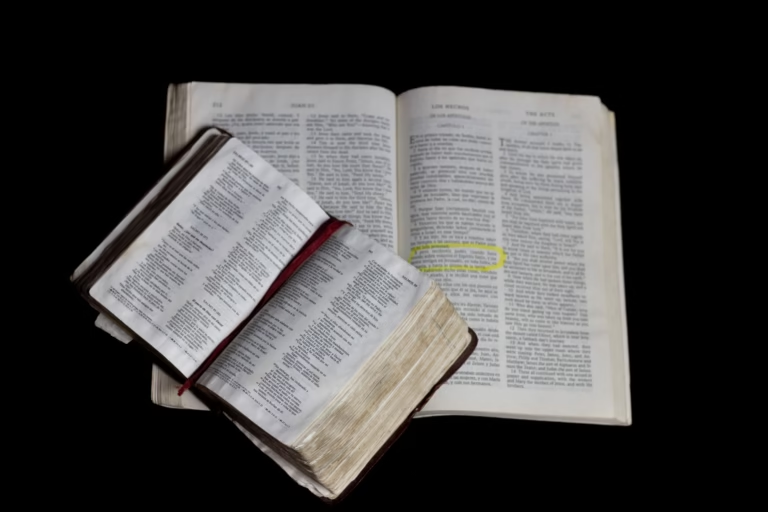
Short answer: The phrase "God gives and takes away" comes from Job 1:21 (NIV): "The LORD gave, and the LORD has taken away; blessed be the name of the LORD." It reflects the duality of receiving blessings and experiencing loss, highlighting God's sovereignty in both aspects of life.
God Gives and Takes Away: Understanding the Bible Verse
The phrase “God gives and takes away” is deeply embedded in Christian theology and resonates with many believers. It evokes thoughts of blessing, loss, and the mysterious ways in which divine providence operates in our lives. The phrase is often associated with Job 1:21, where Job humbly acknowledges both the gifts and trials bestowed upon him by God. But what does this scripture truly mean, and how can we apply its lessons to our lives? In this blog post, we’ll explore the biblical context of this saying, its implications for faith, and how it can provide solace in times of hardship.
The Biblical Context of Job 1:21
To fully appreciate the weight of the phrase “God gives and takes away,” let’s delve into its biblical origins.
Understanding the Book of Job
The Book of Job is one of the oldest books in the Bible, presenting a profound exploration of human suffering, faith, and divine sovereignty. Job, a man of great wealth and righteousness, faces unimaginable loss when he loses his health, wealth, and family. Despite these dire circumstances, Job responds with remarkable faith.
Key Passage
Job 1:21 (NIV) states:
“Naked I came from my mother’s womb, and naked I shall return. The LORD gave, and the LORD has taken away; blessed be the name of the LORD.”
This declaration reflects Job’s understanding that all gifts—whether material wealth, health, or relationships—ultimately come from God. His acknowledgment of loss alongside praise is a poignant reminder of the dual nature of life.
The Nature of Divine Sovereignty
The central theme in Job’s response is the sovereignty of God. The verse presents two pivotal truths:
- God’s Generosity: God grants blessings, gifts, and moments of joy. Every good gift, be it a healthy family, a fulfilling job, or small daily joys, is viewed as a divine blessing.
- God’s Authority: The second part of the verse reminds us that God has the authority to take away. This does not always refer to punishment but may align with a divine purpose that is beyond human understanding.
Real-Life Application
Understanding this duality is crucial for many believers. Here’s how the verse can be relevant in our lives today:
- Perspective Shift: During difficult times, it’s important to recognize that God is still in control. Viewing trials through a lens of faith can cultivate peace.
- Gratitude Practice: Even in loss, finding reasons to praise God can transform our experience. Gratitude can shift our focus from what we have lost to what remains.
Finding Strength in Suffering
Life’s trials can be overwhelming, yet they also offer opportunities for growth. The verse challenges believers to cling to their faith through adversity.
How to Cope with Loss
Here are some practical steps for coping with loss while embracing the lesson of Job:
- Express Your Feelings: Whether it’s through prayer, journaling, or talking with a trusted friend, sharing your heart can help manage grief.
- Seek Community Support: Surround yourself with supportive friends or family who can offer comfort and encouragement during tough times.
- Engage in Faith Practices: Prayer and worship can remind you of God’s presence and sovereignty. Consider dedicating time each day to meditate on scripture or participate in a faith community.
Examples from Scripture
Many biblical figures, like David or Paul, also experienced immense challenges but remained steadfast in their faith. Their stories serve as reminders that even the most faithful can endure hardship while trusting in God’s goodness.
Embracing Hope and Faith
The essence of “God gives and takes away” is not solely in understanding loss but also embracing the hope that God remains active and involved in the lives of believers.
Cultivating a Deep Faith
As we navigate life’s peaks and valleys, it’s important to cultivate a deep, resilient faith. Here are some ways to strengthen your faith journey:
- Study Scripture: Read and meditate on passages that affirm God’s goodness and promise.
- Prayer and Reflection: Develop a consistent prayer life, allowing for moments of silence and reflection where you can listen for God’s guidance.
- Join a Group: Consider joining a Bible study or fellowship group, where you can discuss challenges and faith openly with others.
Conclusion
The phrase “God gives and takes away” encapsulates a powerful truth about the human experience: life is filled with both blessings and challenges. By embracing this reality, we can cultivate a faith that isn’t shaken by loss but rather strengthened through it. As we reflect on Job’s response, let us remember that while we may face hardships, we can choose to worship and trust in the God who ultimately holds our lives in His hands. In moments of despair, may we cling to the truth that God’s plan transcends our understanding, guiding us toward hope and restoration.
Key Takeaways
- Job 1:21 highlights both God's generosity and authority over our lives.
- Recognizing hardships as a part of God's plan can shift our perspective.
- Gratitude amid loss can transform our experience.
- Biblical figures exemplify unwavering faith throughout life's trials.
Coping with Loss
Express your feelings through prayer or journaling to process grief. Seek support from your community for comfort during tough times.
Frequently Asked Questions
What does Job 1:21 mean?
It means acknowledging that both blessings and hardships come from God, emphasizing His sovereignty over our lives.
How can I apply this verse in my life?
By maintaining faith during trials and practicing gratitude for what remains, you can find peace amid loss.
What is the Book of Job about?
The Book of Job explores themes of suffering, faith, and God's sovereignty through Job's trials.
What should I do when I face loss?
Engage in prayer, express your feelings, and seek support from your community to help cope with your loss.
The Bottom Line
Embracing the truth that God gives and takes away can bring comfort during difficult times. Remember, you are not alone in your journey; faith can help navigate the challenges of life.